
Homemade Vegetarian Pizzas for Comfort Without the Guilt
Healthy food enthusiasts know that comfort food can also be nutritious! Vegetarian pizzas are an excellent choice when you crave something delectable yet wholesome. The beauty of homemade pizzas is the control you have over ingredients. Instead of ladening your dough with calories, opt for whole wheat or gluten-free crusts. Mixing and matching toppings such as fresh vegetables, low-fat cheese, and herb-infused spreads can result in unique flavors that satisfy your hunger without the guilt. You can also customize portion sizes to better suit your dietary preferences, bridging the gap between indulgence and responsible eating. One advantage of making your own pizza is that it allows for creativity. Consider topping your pizza with roasted bell peppers, zucchini, or artichokes for added flavor and nutrition. Moreover, the cooking method you use can enhance the health benefits. Baking rather than frying ensures you retain more nutrients. Homemade pizzas can even be a fun family activity, as kids love engaging in the process of creating their own pies. Implementing healthy vegetarian pizzas into your meal planning not only fosters better eating habits but also provides delectable meals the entire family will enjoy.
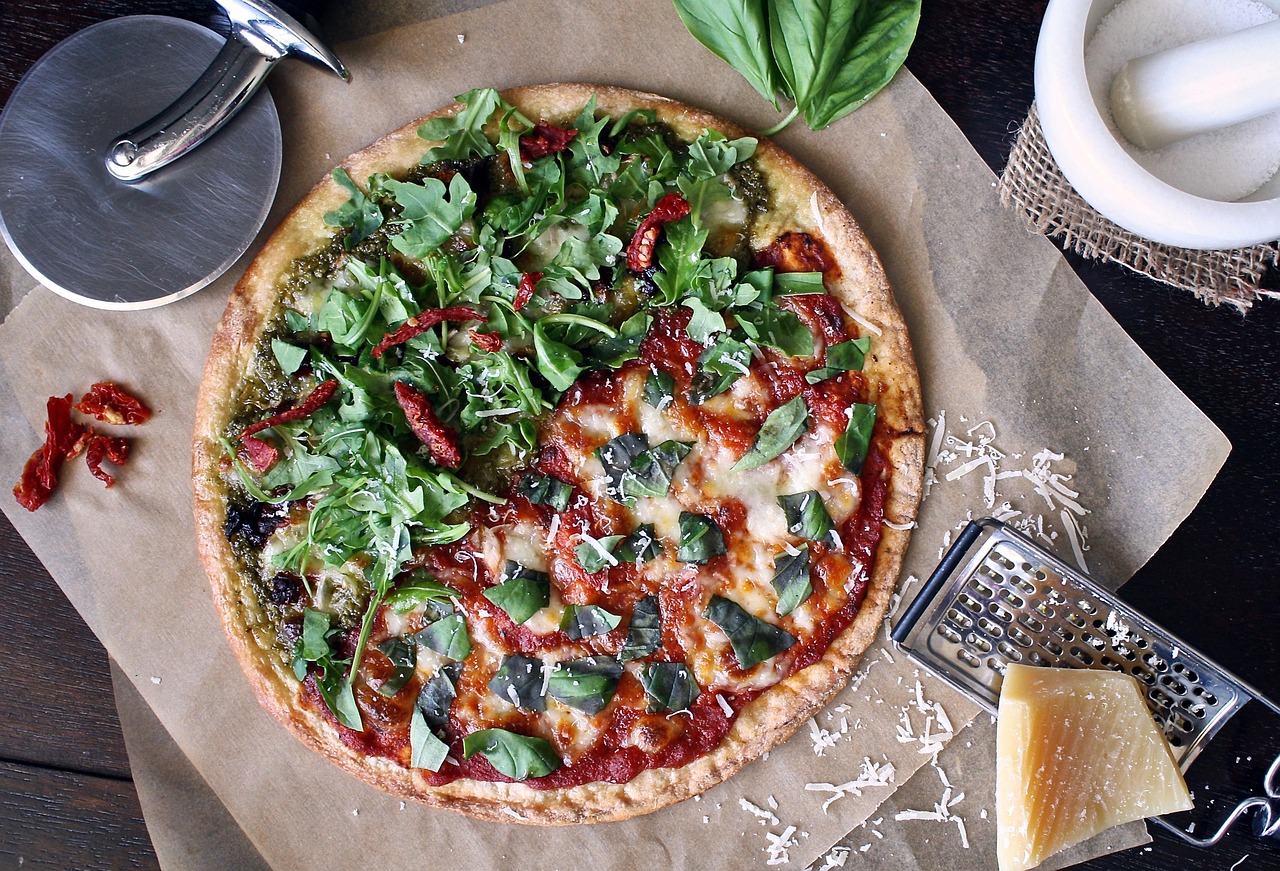
Next, let’s explore the art of pizza making, emphasizing essential kitchen tools. While crafting your vegetarian creation, having the right equipment can make a world of difference. A quality pizza stone or baking sheet is vital for achieving that perfect crust. Additionally, using a rolling pin can help flatten the dough evenly, ensuring consistent cooking throughout. Don’t forget to keep handy a pizza cutter for easy slicing, which everyone in your household will appreciate. Quality ingredients elevate your homemade pizzas. Consider investing in high-quality olive oil, which adds richness to your sauce, while fresh herbs like basil and oregano provide vibrant aromatics. Utilize seasonal vegetables to introduce bold flavors; using fresh produces can turn ordinary pizzas into extraordinary meals. Additionally, experimenting with different types of cheeses or plant-based alternatives can lead to delightful discoveries. If you are seeking a lower-calorie option, some recipes feature ingredients like cauliflower crust to reduce carbs while maintaining flavor and texture. All these factors contribute to making homemade vegetarian pizzas not just an option—but a healthful, enjoyable experience that satisfies dietary needs without compromising on taste.
Essential Ingredients for Delicious Vegetarian Pizzas
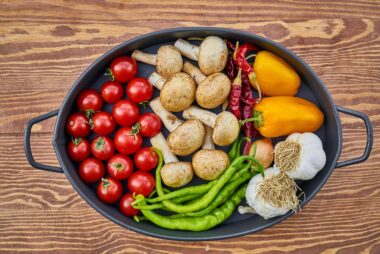
When crafting your vegetarian pizzas, understanding essential ingredients greatly impacts the overall flavor and health benefits. Start with a whole wheat or cauliflower crust, providing a nutritious base that adds fiber while reducing refined carbs. You can find pre-made options at local health food stores or create homemade variations utilizing foundational recipes. Following the crust, consider a healthier pizza sauce. You can make a simple tomato sauce using fresh tomatoes, garlic, and herbs like oregano and basil. This process not only avoids preservatives but ensures a fresh taste. The cheese choice also plays a significant role. Look for low-fat mozzarella or opt for vegan cheese made from nuts or soy, which still provides a creamy texture without excess calories. Feel free to load up on veggies! Popular toppings that work well include mushrooms, spinach, onions, and bell peppers, each bringing unique flavors and added nutrients. Moreover, you can even utilize fruits such as pineapple or figs to create interesting flavor profiles. These ingredients transform a standard pizza into a hearty meal full of healthy goodness, making it truly guilt-free!
Moving on, let’s discuss creative topping combinations that can enhance your vegetarian pizzas. The beauty of homemade pizzas lies in the variety of toppings available, allowing endless creativity. Start with a base of fresh spinach or arugula that adds vibrant color and nutrients. For a hearty twist, consider roasted vegetables such as eggplant, mushrooms, or sweet potatoes, incorporating rich flavors without unnecessary calories. Moreover, embracing international flavors can also elevate your pizza experience. For instance, adding feta cheese and Kalamata olives can provide a Mediterranean flair. Alternatively, consider a spicy kick by including jalapeños, paired beautifully with black beans and corn for a Mexican-inspired twist. Another fantastic combination includes sundried tomatoes and goat cheese for an Italian feel. Don’t forget to finish with a drizzle of balsamic reduction or garlic-infused oil for added depth and taste. Seasonal ingredients can change the pizza game entirely; for example, using fresh asparagus in the spring or pumpkin puree in the fall can inspire delightful recipes. With such options, creating a customizable vegetarian pizza that caters to individual tastes while maximizing nutrition becomes an enjoyable culinary adventure.
Cooking Techniques for Perfect Vegetarian Pizza
In addition to ingredients, exploring various cooking techniques can enhance your homemade vegetarian pizza experience. Baking at high temperatures ensures that you achieve a crispy crust that contrasts beautifully with the toppings. Preheating your oven to its maximum temperature, generally around 475°F, allows the crust to develop that desired crunch. For an even better texture, placing your pizza stone in the oven during preheating helps distribute heat evenly across the base. If you lack a pizza stone, a cast-iron skillet is a fantastic alternative, offering similar crispy results. Another popular technique is grilling your pizza outdoors, providing a smoky flavor that’s hard to replicate indoors. Simply prepare your pizza on a sheet of parchment paper, then transfer it carefully to a preheated grill for a few minutes until the crust is crispy. Adjusting the thickness of your crust also impacts the cooking time; thinner crusts usually bake more quickly than thicker ones. Experimenting with sauces and cheese placement can change the pizza’s flavor profile, allowing you to discover your ideal combinations, all while refining your skills in the kitchen.
Next, let’s highlight healthy accompaniments that can enhance your pizza dining experience. A lovely salad can complement your meal beautifully, providing additional fiber and nutrients that balance out the pizza. Consider mixed greens with a light vinaigrette or a classic Caesar salad made using homemade dressing for a fresher twist. For those desiring a side with more substance, consider preparing a quinoa or couscous salad, loaded with seasonal vegetables and a light lemon dressing. Dipping sauces can also elevate the meal; try tzatziki, made from Greek yogurt mixed with cucumber, or a spicy salsa to add flavor. You may even enjoy a garlic aioli, which pairs fabulously with a veggie overload on your pizza. When serving, consider offering small appetizer portions beforehand with hummus and colorful veggie sticks, providing a nutritious lead-in that controls your appetite before indulging in the main course. Alcoholic and non-alcoholic beverages can also play a role in improving the meal’s overall appeal—think sparkling water with fresh mint or a glass of light red wine that complements the rich flavors of the pizza. Such combinations build a delightful dining atmosphere that everyone can appreciate.
Final Thoughts on Homemade Vegetarian Pizzas
Finally, embracing homemade vegetarian pizzas can transform your comfort food experience significantly. Not only do they provide a canvas for creativity, but they also allow you to prioritize health without sacrificing taste. The flexibility and customizability make vegetarian pizzas suitable for numerous dietary restrictions, appealing to a wide range of preferences. You can incorporate whole grains, healthy fats, and numerous vegetables that create satisfying dishes that wane off the guilt often associated with eating out. Moreover, making pizza at home can foster a sense of community and togetherness; gathering family and friends to create their desired pizza fosters interaction and laughter, rounding out a fulfilling evening. Documenting your cooking adventures can also be a creative outlet worth exploring. Share recipes with loved ones or take the opportunity to post pictures of your creations on social media, inspiring others to embrace healthier homemade options. By introducing vegetarian pizzas into your menu rotation, you embrace a healthier lifestyle choice while still enjoying comfort food satisfying, flavorsome meals that nourish the body and soul.