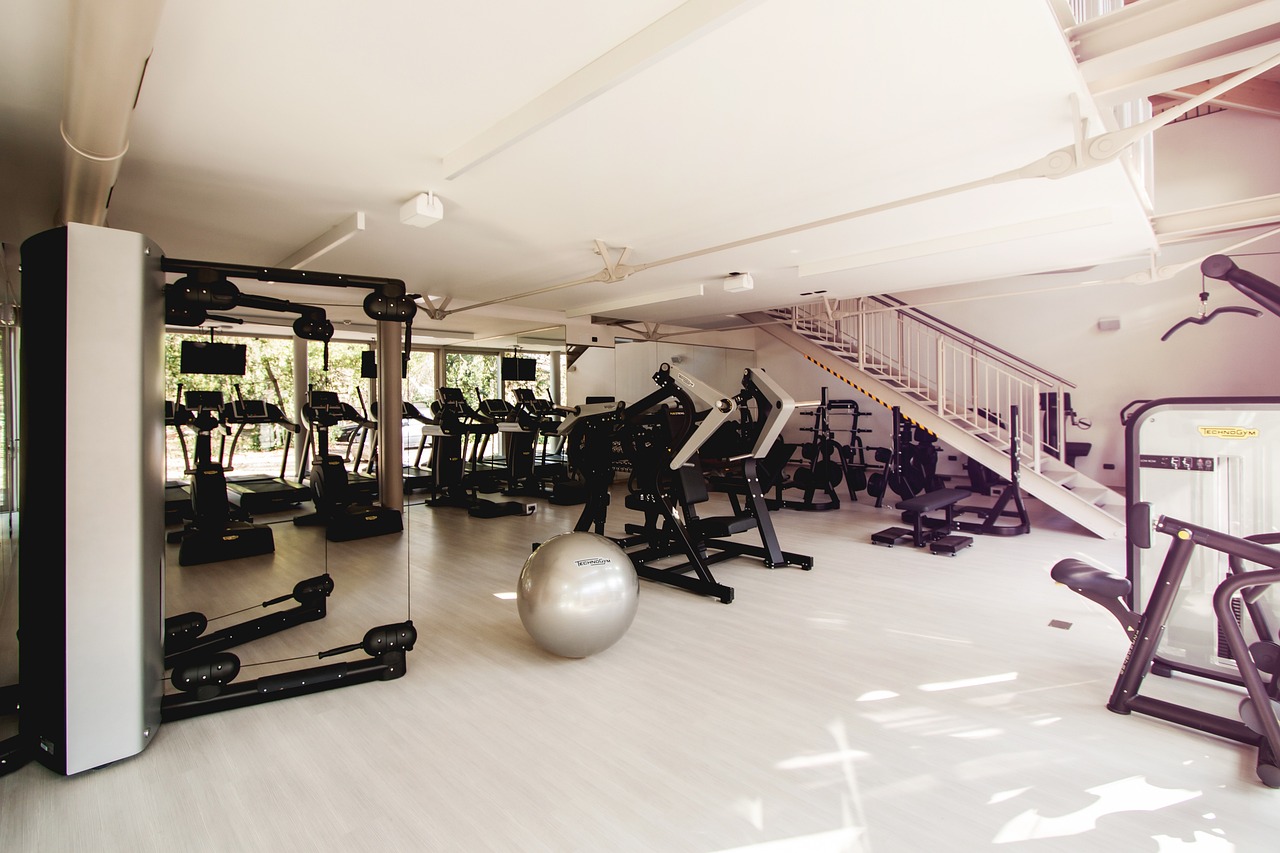

The Issue with Relying Solely on Machines for Strength Training
Strength training is essential for building muscle, increasing endurance, and enhancing overall fitness. While machines can be convenient, relying solely on them presents several challenges. Firstly, machines can limit the range of motion, restricting natural movement patterns. This lack of variety can lead to imbalances in muscle development, resulting in potential injuries over time. Moreover, using machines often isolates specific muscle groups and neglects essential stabilizing muscles that compound exercises engage. Therefore, incorporating free weights and bodyweight exercises into your routine can provide a comprehensive workout. In addition, utilizing various training methods can challenge your muscles in diverse ways. The flexibility of free weights allows for adjustment in grip, stance, and technique, creating a more dynamic workout. This variability can enhance overall muscle activation and growth. Furthermore, machines can lead to improper form due to their fixed nature, which may not suit everyone. Always prioritize proper form and technique to maximize your strength training outcomes. The fundamental aim should be fostering balanced strength and stability for the body’s overall functionality.
Additionally, focusing solely on machines can contribute to decreased functional strength. Functional strength is necessary for daily activities and athletic performance. By ignoring free weights and bodyweight exercises, individuals might miss out on strengthening muscles that play a crucial role in stability and coordination. This can hinder overall athletic performance and daily task performance. Strength training should mimic real-life movements, which is achievable through compound exercises. Again, consider incorporating movements like squats, deadlifts, and presses. These not only engage multiple muscle groups but also improve core stability. Moreover, a routine that relies on machines may hinder agility and balance development. Free weight exercises challenge your body’s ability to stabilize itself, promoting better coordination and balance. Over time, this can translate into enhanced performance in sports and other physical activities. Remember, strength training isn’t solely about lifted weights but also about functional movements. Therefore, diversify your training to enhance your strength training regimen. Also, grab some resistance bands or kettlebells. These tools can provide more dynamic options for challenging workouts and better results in the long run. Make strength training a holistic process and benefit tremendously.
Conclusion: Make Informed Choices in Strength Training
In conclusion, avoiding the exclusive use of machines in strength training is vital for anyone seeking overall fitness improvement. Machines can serve a purpose but should not be the cornerstone of your workout. To achieve well-rounded strength development, it is essential to integrate various forms of resistance training. Balancing free weights, machines, and functional movements ensures that all muscle groups are effectively engaged. Don’t forget to listen to your body’s feedback and adjust your routine accordingly. Assess how exercises affect your overall strength, coordination, and fitness. Additionally, consider seeking guidance from certified trainers or fitness professionals to ensure your workouts are safe and efficient. They can help create a well-structured program tailored specifically to your goals. They understand the importance of both machine and free weight exercises and can guide you in proper technique. Adopting a balanced approach to strength training ensures progress and longevity in your fitness journey. Remember, variety is key to keeping workouts fresh and exciting while also challenging your body in new ways. Make informed choices today to cultivate lasting improvements in strength and performance.
Lastly, always keep your goals clear when it comes to strength training. Identifying whether your aim is muscle gains, endurance, or functional fitness can dictate the most effective workout regime. For muscle growth, ensure that your resistance training includes a blend of both free weights and machines. A well-programmed schedule targets the major muscle groups through various exercises. Moreover, integrating progressive overload principles into your routine can further enhance results. This technique involves gradually increasing the weights or resistance levels over time. It can also mean adding more repetitions or adjusting your rest times to push your muscles further. Keep track of your progress, as this will allow you to see improvements and adjust plans as necessary. Also, don’t hesitate to experiment with various techniques and methodologies. Try methods such as supersets, drop sets, or pyramids, alongside your machine work. These can add a new dimension to your training routine without losing the foundational strength machines provide. Ultimately, be creative and find what challenges you and keeps your training engaging.
Understanding the Role of Machines in Training
Understanding the role of machines in your exercise routine can help strike a balance. Machines can effectively target specific muscle groups, making them beneficial for rehabilitation and isolating weaknesses. For instance, someone recovering from an injury might find machine workouts advantageous due to the controlled movement patterns, which can minimize stress on affected areas. Nevertheless, complete reliance on machines could lead to a one-dimensional approach to strength training. By incorporating free weights and functional movements, you can cultivate more muscle engagement and overall fitness. It’s about striking the right balance that works for your fitness needs and setting long-term goals. Furthermore, consider your environment when determining the right equipment for your training. Some gyms offer more freedom with equipment varieties, such as a cable machine or resistance bands. Don’t shy away from using these resources in your routine. Strength training is a personal journey that requires adaptation. Keep in mind that your ultimate goal should be to achieve a healthy, functional body capable of performing various tasks with ease. Evaluate your routines often to ensure you meet these goals effectively, maintaining your motivation and discipline.
Moreover, don’t overlook the mental aspect of strength training. Engaging in various exercises beyond machines can enhance motivation and enjoyment. Training with free weights and incorporating varied functional movements fosters a sense of accomplishment and mastery over your body. Participating in different strength training formats can combat boredom, leading to more persistent gym attendance. Mental engagement during workouts maintains a mindset focused on growth, allowing for greater progress. Learning proper techniques and challenging yourself with progressive overload can also fortify that motivation. Understanding that strength training is a lifelong commitment encourages the integration of all exercise modalities. Always remember that variety promotes not just physical strength but an increased mind-body connection. This synergy allows you to understand your body better while improving performance. Continuing to grow your strengths while learning about fitness helps create lasting habits. Challenge yourself continuously, and avoid becoming complacent in your training. Even small adjustments can create a positive impact over time. So, get excited about every workout, knowing that each session contributes to your overall strength and fitness.
Final Thoughts on Strength Training Approaches
In closing, ensuring a holistic approach to strength training entails acknowledging the limitations of solely relying on machines. Domestically, participating in diverse exercises reinforces the integration of different muscle groups, enhancing coordination and stability. Free weights and bodyweight exercises promote better functional strength, while machines can compliment those practices with focused targeting. As you continue your strength training journey, embrace experimentation with various techniques. A well-rounded routine tailored to individual needs can maximize benefits and support fitness goals. Remember to continuously assess progress and adjust routines based on results and personal experiences. Collaborating with fitness professionals can provide fresh insights into program development. Engaging with peers in strength training can foster a stronger community as you share experiences and advice. Train not only for aesthetic or performance gains but for long-term health benefits. Strive for progress, understanding that flexibility and adaptability are pivotal for sustainable gains. Visit reputable resources to explore more about strength training methodologies and further your knowledge. Explore various tools, exercises, and programs to craft a diverse schedule enhancing your fitness journey.