
The Issue with Relying Solely on Machines for Strength Training
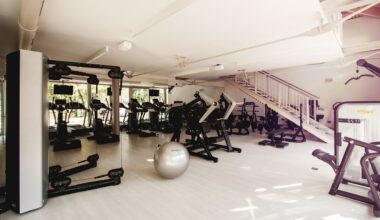
Engaging in strength training is essential for building muscles and improving overall fitness. However, many gym-goers make the common mistake of relying solely on machines for their workouts. While machines can be beneficial for beginners, they often provide a false sense of security. This reliance may hinder the development of stabilizing muscles, which are vital for overall strength. Additionally, machines are designed for a specific range of motion. This limitation means that users may not engage their muscles fully, potentially leading to imbalances. Compound exercises, such as squats and deadlifts, require more involvement from various muscle groups, enhancing functional strength. Incorporating free weights into workouts can yield better results, as they require more coordination and balance. Furthermore, machines tend to isolate specific muscles, neglecting others that play an important role in a balanced physique. As a result, athletes may find themselves prone to injury when transitioning to sports or activities requiring varied muscle engagement. Strength training should encompass a variety of equipment and exercises to maximize effectiveness and safety, ultimately leading to a more robust and resilient body.
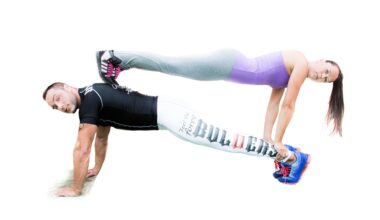
When you rely heavily on machines, you might miss out on the benefits of functional movements. Machines often restrict natural movement paths, leading to poor biomechanics. Inefficient biomechanics can result in unwanted muscle growth without increasing functional strength. This lack of adaptation can leave you ill-prepared for real-life movements and athletic performance. Free weights promote better stabilization, allowing for a more comprehensive workout. Traditional strength training exercises engage multiple muscle groups simultaneously, providing better overall strength development. To enhance your training, consider supplementing machine workouts with bodyweight exercises. These engage core stability and require more neuromuscular coordination. Besides, bodyweight training can be performed anywhere and often provides a more adaptable challenge. Flexibility is crucial in maintaining long-term strength gains and mobility. While machines can help with specific exercises, they should not dominate your routine. Emphasizing a well-rounded training regime fosters a balanced body capable of performing various activities efficiently. Consider integrating both machine and free weight exercises for a complete strength training experience. Strike a balance to avoid stagnation and injuries, thereby ensuring a healthier, more effective fitness journey.
The Importance of Free Weights
Free weights are an integral part of any comprehensive strength training program. Utilizing equipment such as dumbbells, kettlebells, and barbells allows for greater versatility. The range of motion offered by free weights is arguably unmatched, allowing for natural movement patterns. Additionally, free weights force you to engage stabilizing muscles that machines usually overlook. These stabilizing muscles play a critical role in preventing injuries, making your workouts safer and more effective. Many people find that free weights help them progress towards their fitness goals faster than machine-only workouts. This is due to the increased demand placed on your body during free-weight exercises. By incorporating free weights into your routine, you also tap into their adaptability. You can perform numerous exercises targeting various muscle groups, promoting a balanced approach to strength training. Furthermore, free weights afford you the opportunity to develop functional strength necessary for everyday tasks. In contrast, reliance on machines may lead to a lack of muscle connectivity, rendering you less prepared for physical challenges. Thus, you should shift your focus toward a more diversified fitness strategy grounded in free-weight training.
Moreover, strength training needs to evolve to keep your body guessing. This evolution is crucial to prevent plateauing in your progress. When the body adapts to a particular workout, its effectiveness diminishes, and growth stalls. Threading in machine workouts alongside free weights can offer varied stimuli for consistent gains. However, an over-reliance on machines can lead to stagnation. By constantly changing your routine and incorporating a mix of modalities, you maintain progress. Consider varying your exercise types, repetitions, and weights, while also utilizing different training environments. The concept of progressive overload is vital for continuous improvement in strength training. This principle encourages you to gradually increase weights or resistance levels in your workouts. It helps to challenge your muscles consistently, promoting growth and power. Additionally, you can incorporate specialized training styles such as circuit training, supersets, or high-intensity interval training (HIIT). Doing so fosters adaptability and resilience in your training regimen. Eventually, a well-rounded approach helps maintain engagement and enjoyment in workouts while avoiding physical and mental fatigue during the training process.
Enhancing Stability and Balance
Developing stability and core strength is crucial for any effective strength training program. As previously mentioned, machines often isolate specific muscle groups, which can lead to imbalances. These imbalances may translate into stability issues during various movements. Free weights require your body to stabilize during lifts, which strengthens not only your prime movers but also smaller stabilizing muscles. This stabilization is essential for improving performance in other physical activities, making you more well-rounded. Additionally, integrating balance training into your workouts can further boost muscle engagement and coordination. Using tools like balance boards or stability balls can improve your proprioception. Proprioception is your body’s ability to sense its position in space, which is vital for avoiding injuries. By enhancing proprioception, you reinforce neural pathways responsible for movement, allowing for more fluid and controlled actions. Increased stability also translates into better sports performance and overall functional fitness. It allows you to take on challenges outside the gym. Balancing these different forms of training is not just about avoiding mistakes but is essential for a holistic approach. A versatile and balanced workout strategy fosters self-confidence and leads to lasting results.
Finally, assessing your training method regularly is essential. Evaluate your progress and identify weaknesses that you may need to address. Keeping an exercise log or engaging with a certified trainer can offer valuable insights. Trainers can provide personalized feedback, ensuring you’re executing exercises properly. This way, you enhance muscle engagement and reduce the risk of injuries. Understanding your fitness levels can pinpoint areas that require more attention. This personal evaluation allows you to tailor your routines to fit your individual needs. Machines can play a role, but balance them out with free weights, functional exercises, and body-weight movements. This varied approach is critical for a successful strength training journey. Resisting the temptation to work solely on machines ensures a comprehensive fitness regimen. Prioritizing versatility within your strength training can lead to a more sustainable long-term relationship with fitness. Additionally, promoting good form and technique can help to perfect your overall performance. As strength training evolves, so should your routine. By keeping learning, adapting, and progressing, you’ll maximize your efforts and develop a stronger, more balanced body.
Conclusion
In conclusion, while machines can serve a purpose in your strength training routine, over-relying on them can lead to significant drawbacks. To reap the full benefits of your training, you should explore a mix of modalities to promote both strength and stability. From free weights to bodyweight exercises, every mode of training offers unique advantages. Emphasizing variety aids in preventing boredom, allowing for sustained motivation throughout your fitness journey. Moreover, avoiding an over-reliance on machines helps in developing functional strength. This, in turn, enables you to tackle everyday activities more effectively. Ultimately, the goal is a balanced approach, engaging both primary and stabilizing muscles in a cohesive training strategy. Learning to integrate various methods into your workouts to achieve optimal results not only enhances performance but reduces risks of injury too. As you progress, ensure to adapt your routines, taking note of how your body responds. Embrace the importance of versatility and receptivity in your training. Exploring new exercises will challenge your body in multiple ways, fostering long-term growth. Seize the opportunity to refine your method and ultimately achieve lasting results in strength training.
Strength Training: Avoid reliance on machines, prioritize free weights.