
Bodyweight Workouts for Seniors with Limited Mobility
As we age, maintaining physical activity becomes increasingly important, especially for seniors with limited mobility. Engaging in bodyweight workouts can be a suitable and effective way for older adults to stay active. These exercises often leverage one’s own body weight for resistance, making them accessible without needing bulky equipment. Importantly, bodyweight exercises are gentle on joints while helping to improve strength, flexibility, and overall well-being. By emphasizing controlled movements, seniors can prevent further injury and promote confidence in their physical capabilities. These workouts typically include simple exercises that can be performed while seated or standing, depending on individual comfort levels. Beginners might consider starting with seated leg lifts or wall push-ups, progressing gradually to more challenging movements as strength builds. It is always advisable for seniors to participate in these workouts under the supervision of qualified professionals or caregivers to ensure safety. Tailoring workouts to each individual’s unique needs and capabilities is essential. Listening to one’s body sends vital signals that should never be overlooked. Special attention should be given to proper form during exercises to maximize benefits.
Consulting with a healthcare professional before starting any new exercise routine is particularly important for seniors with health concerns. They can provide personalized advice on safe exercise regimens. To enhance the enjoyment factor, consider integrating social interaction into workouts. Exercising with friends or family can motivate and make each session more enjoyable. Group classes or community centers often provide a welcoming environment where elderly individuals can connect while being active. Bodyweight exercises can also be modified for different levels of mobility, ensuring that everyone can participate in a way that suits them best. For example, a simple chair yoga session can improve flexibility and relaxation while being low impact, making it easier on joints. Striking a balance between gentle movement and enjoyment amplifies the benefits of physical activity. Incorporating bodyweight workouts into a daily routine can significantly enhance body strength, improve coordination, and cultivate a sense of achievement among seniors. Moreover, accomplishing small fitness goals boosts morale and instills a healthier lifestyle that extends beyond merely physical health. A commitment to ongoing activity can yield long-term sustainability.
Popular Bodyweight Workouts
Some popular bodyweight workouts ideal for seniors include wall sits, chair squats, and modified push-ups. Wall sits are excellent for developing leg strength and can be done in safety near a wall for support. For beginners, starting with shorter durations, like ten seconds, can build gradually up to one minute. On the other hand, chair squats focus on maintaining balance and strength in lower body muscles, helping with everyday tasks such as standing from a seated position. Modified push-ups, performed on a sturdy table or against a wall, strengthen the upper body and core without straining the lower body. Each of these workouts offers unique benefits while being adaptable to accommodate various fitness levels. Additionally, adding in balance exercises such as standing on one leg or toe raises can contribute to improved stability. Balance is paramount to reduce the risk of falls. Using the armrest of a sturdy chair for support can make these exercises easier for seniors to perform. Always remember that starting slow is key: regular practice fosters comfort and promotes overall strength improvement over time.
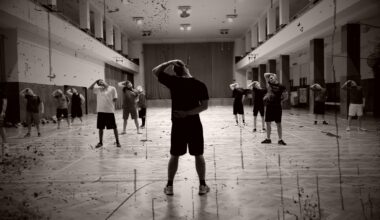
Moreover, bodyweight exercises provide an excellent opportunity to develop and maintain joint flexibility, which is vital as we age. Incorporating movements that emphasize stretching—such as seated toe touches or arm circles—can maintain and enhance joint function. Even simple movements like wrist and ankle rotations can stimulate circulation and flexibility. This is crucial for seniors who may experience stiffness or discomfort in these areas. Establishing a routine filled with flexibility exercises can reduce soreness and promote better overall health quality. Notably, focusing on deep breathing during workouts can enhance relaxation and lead to improved mental health outcomes as well. Mindfully breathing connects both body and mind; this connection fosters a more holistic approach to wellness. Additionally, outlining goals or tracking progress can motivate seniors to stay engaged and committed to their workout routine. Encouraging them to celebrate their achievements, no matter how small, can help instill a sense of accomplishment. Community activities also encourage engagement—group workouts provide motivation and a supportive atmosphere. When seniors come together to focus on common goals, it fosters camaraderie and cultivates friendships that enrich their lives.
Creating a Safe Workout Environment
Safety is paramount when seniors engage in bodyweight exercises, especially for those with limited mobility. Ensuring that their workout area is free from hazards, such as loose rugs or clutter, can prevent inadvertent falls or accidents. Encouraging the use of supportive chairs or non-slip mats further enhances safety. Lighting should be bright enough to reduce the risk of misunderstandings about surrounding hazards during exercises. Additionally, using proper footwear provides stability and support, which is essential while performing exercises. Shoes with non-slip soles are highly recommended. Further, developing a warm-up routine can prime the body for the exercises ahead and is a crucial step that should never be overlooked. Gentle stretches to loosen up the major joints and muscles can enhance flexibility. This can improve both the efficacy and safety of every subsequent exercise. Never rush through exercises; seniors should listen to their bodies and rest as needed. Hydration is also crucial, so ensure water is accessible during workouts to help maintain proper hydration levels. Finally, creating a schedule or set times for workouts not only fosters routine but also significantly boosts motivation.
Bodyweight workouts should be enjoyable and engaging, and there are plenty of resources available to assist seniors in structuring their routines. Online fitness platforms often feature tailored programs specifically for older adults, making it easier to find suitable exercises. Many platforms offer free trials, allowing individuals to explore different instructors and styles before committing to a particular program. Alternatively, instructional videos on popular platforms can guide seniors through various bodyweight exercises at their own pace. These resources make it easy to adjust intensity and complexity according to individual needs. Engaging with local fitness instructors who specialize in senior fitness can also provide invaluable guidance. They can offer personalized instruction to ensure that each movement is performed safely and effectively. Many local senior centers or community organizations organize classes designed for older adults. Making physical activity a social event fosters connection and makes workouts even more fulfilling. Ultimately, encouraging seniors to experiment with multiple forms of bodyweight exercises can lead to new interests and ensure lifelong commitment to health and fitness. Each workout becomes a joyful expression of movement that benefits both the body and mind, so it’s crucial to keep fitness fun.
Measuring Progress and Staying Motivated
The sense of accomplishment derived from regular bodyweight exercises cannot be overstated. Measuring progress is instrumental in maintaining motivation over time. Encourage seniors to keep a fitness journal detailing their workout routines, durations, and exercises performed. By maintaining a record, they can reflect on their growth and recognize improvements in strength and mobility. This tangible evidence reinforces their efforts and makes it easier to stay committed. Setting small, achievable milestones fosters continuous motivation and keeps the sense of purpose alive. This could be as simple as performing an additional repetition of an exercise or extending workout time by a few minutes. Gradually increasing the challenge level promotes a feeling of accomplishment as they conquer each hurdle. Furthermore, celebrating these milestones together with friends or family members creates an inviting and supportive atmosphere. It’s essential to remind seniors that every step forward counts. Reflecting on their journey fosters awareness of how far they’ve come. Whether it’s increased flexibility, reduced discomfort, or an improvement in daily tasks, acknowledging progress is vital. This reinforces their dedication to a healthier and more active lifestyle.
Engagement with bodyweight exercises can significantly enhance a senior’s overall quality of life. Not only do they improve physical capabilities, but they also provide a means to connect socially and mentally. Creating an environment conducive to active living can lead to positive lifestyle changes over time, impacting overall wellness long-term. Seniors who remain physically active often report improved moods and a greater sense of independence. Access to support groups or community resources further enriches their engagement levels. The combinations of socialization and physical activity are instrumental in combating feelings of isolation. By finding common ground with others, the motivation to exercise regularly continues to flourish. Thus, emphasizing the importance of community relationships in conjunction with bodyweight exercises fosters a well-rounded approach to health. Encouragement from both professionals and loved ones plays a significant role in this journey. Ultimately, bodyweight workouts allow seniors to reclaim their independence, enhance their quality of life, and foster a vibrant social network. It’s advisable to persevere and explore various open avenues, understanding that fitness is a lifelong commitment. Finding joy through this journey ultimately leads seniors to treasure every moment spent caring for their health and well-being.