
The Importance of Proper Cushioning in Marathon Running Shoes
Running a marathon can be both an exhilarating and physically demanding experience. One of the most critical factors for any marathon runner is the choice of shoes. Proper cushioning in marathon running shoes plays a significant role in maximizing performance and minimizing impact during long runs. The feet endure significant pressure during each step, and without adequate cushioning, runners may experience discomfort or even injury. The ideal marathon running shoe should have a well-designed cushioning system that absorbs shock and provides enough support for various foot types. Ensuring a good fit is also essential, as it minimizes the risk of blisters or other ailments that can arise from poorly fitting shoes. With so many options available on the market, understanding the differences between shoe types is crucial. From lightweight trainers to more heavily cushioned options, runners must choose shoes tailored to their running style and distance preferences. In the subsequent paragraphs, we will delve deeper into various shoe features and why cushioning should be prioritized in marathon running shoes.
The Role of Cushioning in Injury Prevention
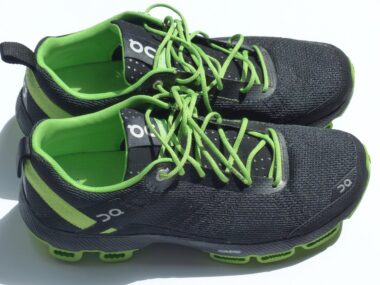
Proper cushioning in marathon running shoes is vital for injury prevention and overall foot comfort. Without sufficient cushioning, a runner’s feet may experience excessive strain, leading to ailments such as plantar fasciitis or tendonitis. Additionally, the right cushioning can help absorb shock, protecting joints from damage during prolonged runs. Runners need to recognize that the body’s biomechanics play a significant role in how forces are distributed while running. Cushioning technologies include EVA foam and gel systems, which provide varying levels of shock absorption and support for the foot. Runners should also consider their weight and running style when choosing shoes, as these factors can influence how much cushioning they require. More cushioning may be beneficial for heavier runners, while lighter runners may prefer a firmer shoe for increased responsiveness. In any case, experimenting with different shoe models and brands can help identify what feels best. In the end, choosing the right cushioning not only enhances performance but also contributes to an enjoyable running experience.
Another critical aspect of cushioning is how it affects running economy. Adequate cushioning can improve efficiency by providing some energy return during each stride. This energy return allows runners to conserve energy over long distances, which becomes especially important during a marathon. Shoes designed with advanced cushioning technologies often integrate features such as responsive midsoles that adapt to a runner’s foot strike. This adaptability can enhance comfort over long distances and reduce fatigue. Furthermore, the right cushioning can help balance the foot’s natural mechanics. This balance can lead to an improved stride and overall form as runners become less prone to overpronation or supination, which can impact performance negatively. Additionally, marathon runners should consider their training surfaces when selecting shoes. Different terrains can influence the required level and type of cushioning, so matching shoe features to running conditions is key. In conclusion, the intricate connection between cushioning, efficiency, and injury prevention is paramount to achieving marathon goals.
Finding the Right Fitting Shoes
When selecting marathon running shoes, proper fitting is as essential as cushioned support. Ill-fitting shoes can lead to various uncomfortable issues, including blisters, hotspots, and foot fatigue. It’s critical for runners to measure their feet accurately and consider variations in size due to swelling during long runs. Shoes typically should allow for about a thumb’s width of space in the toe box to accommodate foot expansion while running. Runners should also pay attention to the shoe’s shape, as the arch of their foot may dictate preferences for different shoe styles. Not all brands cater to every foot type, and it might be necessary to try multiple pairs to find the best fit. As a general rule, visiting specialty running stores where staff can provide insights and suggestions based on specific needs can be beneficial. Additionally, running in the shoes briefly before purchasing can provide a better idea of how they feel. Lastly, remember to replace worn-out shoes regularly; cushions lose effectiveness over time, affecting comfort and performance.
Aside from fitting and cushioning, it is essential to consider the materials used in marathon running shoes. Breathable and lightweight fabrics can enhance overall comfort during long runs. Materials that wick moisture away from the foot can help keep feet dry and manage temperature effectively. Many manufacturers have moved towards sustainable materials without compromising on performance, which is a growing trend in the footwear industry. This focus on responsible product development is appreciated by many runners who are environmentally conscious. Moreover, the outsole’s traction is equally important, as it impacts grip on various surfaces, which can affect performance and safety. Runners should also look for shoes with reflective materials for evening runs to enhance visibility. Choosing the right materials contributes to a cohesive experience between comfort, safety, and durability; thus, it is worth exploring brands specializing in high-quality components. In summary, taking an interest in shoe composition can lead to better choices, ultimately enhancing a runner’s training and marathon experience.
Testing Shoes Before the Big Race
Before committing to a specific pair of marathon shoes, testing them thoroughly in training conditions is essential. Many runners make the mistake of wearing new shoes on race day, which can lead to discomfort or unforeseen issues. Gradually incorporating new shoes into training routines allows the feet time to adapt to their structure and cushioning systems. Runners should try to simulate race conditions by doing long runs in their new shoes to ensure they feel comfortable over longer durations. Additionally, making minor adjustments to shoelaces or using insoles can further enhance fit and support. Tracking performance during these runs can offer insights into how well the shoes respond during prolonged activity. Observing any discomfort or changes in running gait can inform whether the shoes are suitable for the marathon. In any case, adhering to a shoe testing regime is beneficial for preparation and can prevent potential problems during the marathon. Ultimately, well-tested shoes can make a significant difference in achieving personal bests.
Lastly, remember that selecting the right marathon shoe is individual; what works for one runner may not work for another. Adequate cushioning, comfort, and support will vary widely between runners based on different factors, including foot shape, weight, and running style. Therefore, engaging with fellow runners or seeking advice from seasoned professionals can be informative. Online reviews can also serve as vital resources, providing insights and experiences from other runners who have similar needs. However, while acquiring opinions is valuable, it is crucial to try various shoes personally to determine what works best. A combination of expert advice, personal trial, and understanding the unique demands of marathon running will lead to the best shoe selection. Each runner should prioritize their individual requirements to find footwear that enhances their experience and supports their journey towards marathon completion. Thus, making informed choices can open pathways to success on race day.
In conclusion, proper cushioning in marathon running shoes is fundamentally important for both injury prevention and performance enhancement. The right fit, material choice, and cushioning features can dramatically improve a runner’s experience. Through the right utilization of cushioning technology, runners can protect their feet and joints while simultaneously gaining comfort during long distances. Selecting shoes with adequate cushioning that suits an individual’s running style helps create a more enjoyable experience. Whether it’s choosing proper fitting shoes or experimenting with different brands and types, maintaining a focus on cushioning will facilitate better running. Ultimately, marathon running shouldn’t be defined by discomfort or injury; preparation and proper footwear will enhance performance, setting the stage for a successful marathon journey. Emphasizing the importance of cushioning fosters a deeper understanding of its role in running, encouraging runners to invest time into selecting the right shoes for their next race. Careful attention to shoe features, training trials, and knowledge from community experiences will underpin a fulfilling and triumphant marathon experience.