
Healing the Gut to Heal the Mind: Strategies for Mental Wellness
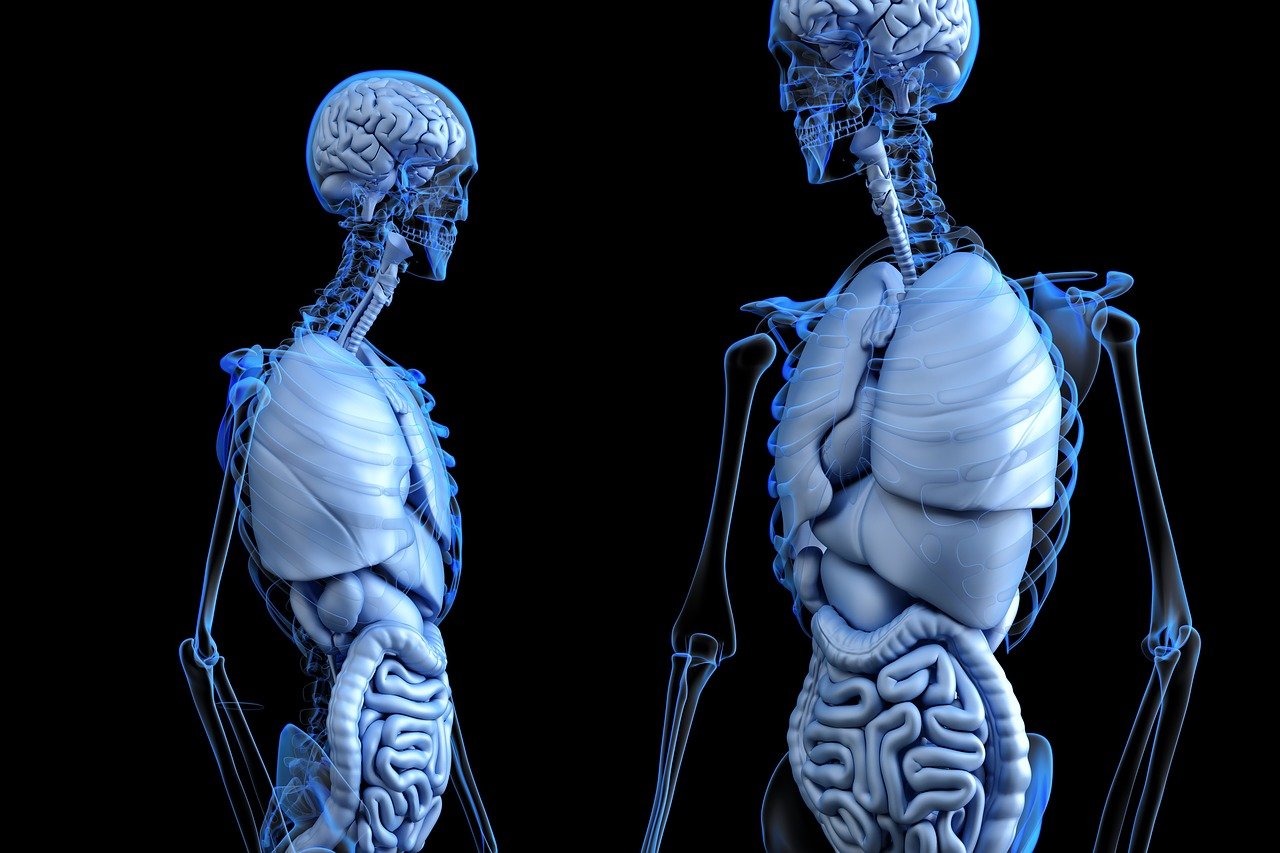
The gut-brain axis highlights the intricate communication between our gastrointestinal system and brain. This connection significantly influences both our physical and mental health. It demonstrates how gut health often affects mood, anxiety levels, and overall mental wellness. Research reveals that gut microbes produce neurotransmitters like serotonin, crucial for regulating moods. Therefore, healing the gut may lead to optimal mental functioning and improved emotional well-being. By prioritizing gut health, we can potentially counteract anxiety and depressive symptoms. Moreover, the significance of dietary choices cannot be overlooked. Nutritional strategies that support gut health play a pivotal role in mental health enhancement. Fermented foods, prebiotics, and probiotics positively influence gut flora balance. This balance fosters a healthy microbiome, potentially resulting in enhanced cognitive abilities. Therefore, strategies aimed at optimizing gut health should be included in every mental health regimen. Emphasizing proper nutrients reinforces this connection. This synergy between emotional stability and gut health leads to holistic healing. Understanding the gut-brain relationship provides a foundation for exploring various interventions aimed at improving mental well-being through dietary modifications and lifestyle choices.
To further embrace gut health for mental wellness, start by integrating dietary changes focused on diversity. A varied diet rich in fiber, healthy fats, and fruits can foster a healthy microbiome. It is essential to understand which foods are most beneficial for gut health. Aim to include fermented foods such as yogurt, kefir, sauerkraut, and kimchi. These foods contain beneficial probiotics that enhance the gut flora and subsequently support mental health functions. Furthermore, eating a balanced diet impacts physical wellness, which indirectly supports mental health. Avocados, nuts, and whole grains can provide the essential nutrients required for maintaining balance within the body. Moreover, consider reducing consumption of processed sugars and unhealthy fats which can negatively affect gut flora. Establishing a routine that involves regular meals can stabilize gut health while enhancing overall vitality. Hydration also plays a vital role in maintaining gut integrity. Adequate water intake facilitates digestion and the absorption of nutrients, thus supporting overall cognitive function. Monitoring the body’s responses to dietary changes allows better adaptation and optimization of food choices, reshaping the gut-brain connection.
Mindfulness and Its Influence on Gut Health
In conjunction with dietary adjustments, practicing mindfulness presents an effective strategy for healing both the gut and mind. Stress and anxiety have been shown to adversely affect digestive health, creating an imbalance in the gut flora. Engaging in mindfulness activities like meditation, yoga, and breathing exercises can cultivate relaxation. This, in turn, supports gut health and diminishes stress levels. The incorporation of mindfulness into daily routines aids in recognizing how emotions can affect dietary choices. This awareness fosters healthier habits as individuals learn to distinguish emotional eating versus true hunger. Throughout mindfulness practices, individuals often develop a deeper connection with their bodies. This awareness facilitates more conscious food choices, promoting a healthier diet. Some studies suggest that practicing mindfulness while eating can improve digestion and enhance the enjoyment of meals. Additionally, fostering a positive mindset can create beneficial effects on gut health. Mindfulness creates a harmonious equilibrium, allowing individuals to embrace a holistic approach to well-being. Addressing both the mind and gut leads to better overall health, helping to alleviate anxiety and depressive symptoms.
Physical activity also significantly impacts the gut-brain axis, further promoting mental wellness. Engaging in regular exercise serves as a powerful tool for improving both gut and mental health. Increased physical activity stimulates gut motility, reducing bloating and enhancing digestion. Moreover, exercise releases endorphins, which boost mood and decrease feelings of stress and anxiety. A balanced workout routine, incorporating both aerobic and strength training exercises, can enhance physical health while indirectly benefiting mental well-being. Moreover, studies indicate that exercise encourages a more diverse gut microbiome, which correlates with better cognitive function and emotional stability. Establishing a consistent exercise regimen can empower individuals to tackle mental health challenges by harnessing both physical and psychological benefits. Social engagement during physical activities, such as group classes or team sports, can foster emotional connections while enhancing gut health. Optimizing fitness routines can provide effective remedies for addressing stress, anxiety, and depressive symptoms, ultimately leading to improved overall health. Consider integrating a variety of workouts to keep both the body and mind engaged, fostering a comprehensive approach to mental wellness.
Supplements and Gut Health
In addition to dietary changes and lifestyle adjustments, supplements can provide targeted support for enhancing gut health and mental well-being. Probiotics are among the most recognized supplements and can aid in restoring balance to gut flora. When considering probiotics, it is imperative to select high-quality products with diverse strains to optimize outcomes. Prebiotics, such as inulin and dietary fibers, also play a vital role in nurturing beneficial gut bacteria. These compounds serve as fuel for probiotics, promoting a healthy microbiome. Additionally, omega-3 fatty acids are known for their anti-inflammatory properties and can further support cognitive health. Vitamin D, often overlooked, also plays a crucial role in mood regulation. Addressing deficiencies in these vitamins can significantly improve both gut flora and mental wellness. However, it is always advisable to consult with a healthcare professional before starting any supplement regimen. Tailoring supplement intake can maximize benefits while minimizing side effects. The mind-body connection can be significantly enhanced through strategic and informed supplement use, further reinforcing the importance of supporting overall health.
Ultimately, achieving mental wellness through the gut-brain axis requires a multifaceted approach that encompasses diet, mindfulness, exercise, and supplementation. These strategies work synergistically to promote both gut health and emotional resilience. Holistic methods allow individuals to foster greater self-awareness that aids in tackling mental health challenges. This comprehensive approach can yield transformative benefits for overall health, enabling a more fulfilling life. Consider carefully monitoring progress with each strategy to determine which interventions resonate most effectively. The effectiveness of these strategies often varies by individual, thus recognizing personal preferences and needs is vital. Employing personalized techniques can significantly enhance adherence and sustainability of these practices, cultivating lasting changes. For individuals struggling with mental wellness, it is essential to remember that healing takes time and consistent effort. By patiently embracing these strategies and cultivating a supportive environment, progress will occur. Reaching out for professional guidance when necessary can provide additional support throughout this journey. Ultimately, blending these strategies offers a pathway for improving both mental wellness and gut health, establishing a nurturing cycle that fosters overall well-being.
Conclusion: Embracing Holistic Wellness
Incorporating a holistic approach that emphasizes gut health as fundamental to mental wellness enhances energy, mood, and quality of life. Understanding the gut-brain connection opens doors to potential recovery and thriving life experiences. Embracing nutrition, mindfulness, movement, and supplementation provides a robust framework for those seeking to enhance emotional well-being. A well-functioning gut contributes to the body’s ability to cope with stress and emotional imbalance significantly. Focus on cultivating a positive relationship with food, exercise, and self-care allows an individual to nurture both physical and mental health effectively. Additionally, establishing a supportive community can empower individuals to seek knowledge and encouragement in their wellness journey. Sharing experiences and learning from others creates a sense of belonging, which is critical for mental health. As awareness of the gut-brain axis grows, prioritizing mental health through dietary and lifestyle changes becomes accessible to many. The combination of these strategies fosters not only mental wellness but also overall well-being. Ultimately, healing the gut can heal the mind, enabling individuals to lead vibrant, fulfilling lives.
Overall, the journey towards enhancing mental wellness through gut health is empowering. The mind-body connection illustrates how intertwined our physical and emotional states are, encouraging us to take control of our health. By understanding and applying various strategies aimed at improving gut health, we can harness its power to elevate mental wellness significantly. Research continues to support this relationship, transitioning how we consider mental health treatment and prevention. Evidence suggests that behavioral interventions impacting gut flora can yield profound effects on anxiety, stress, and depression levels. The collective practices associated with gut health require consistent commitment, but the potential for transformation is immense. Start small, focusing on one element at a time to avoid feeling overwhelmed. Step by step, integrate complementary strategies into daily life to create lasting change. Consciously prioritize self-care routines, cultivating a nurturing environment for mental wellness. Embrace this knowledge as a step towards building resilience and strength, empowering yourself to navigate life’s challenges with confidence. Implementing these changes creates opportunities for self-discovery and personal growth that leads to an enriching, healthier future. Along this journey, acknowledge the progress made and celebrate life’s little victories along the way.