
How Aging Affects Flexibility and Mobility
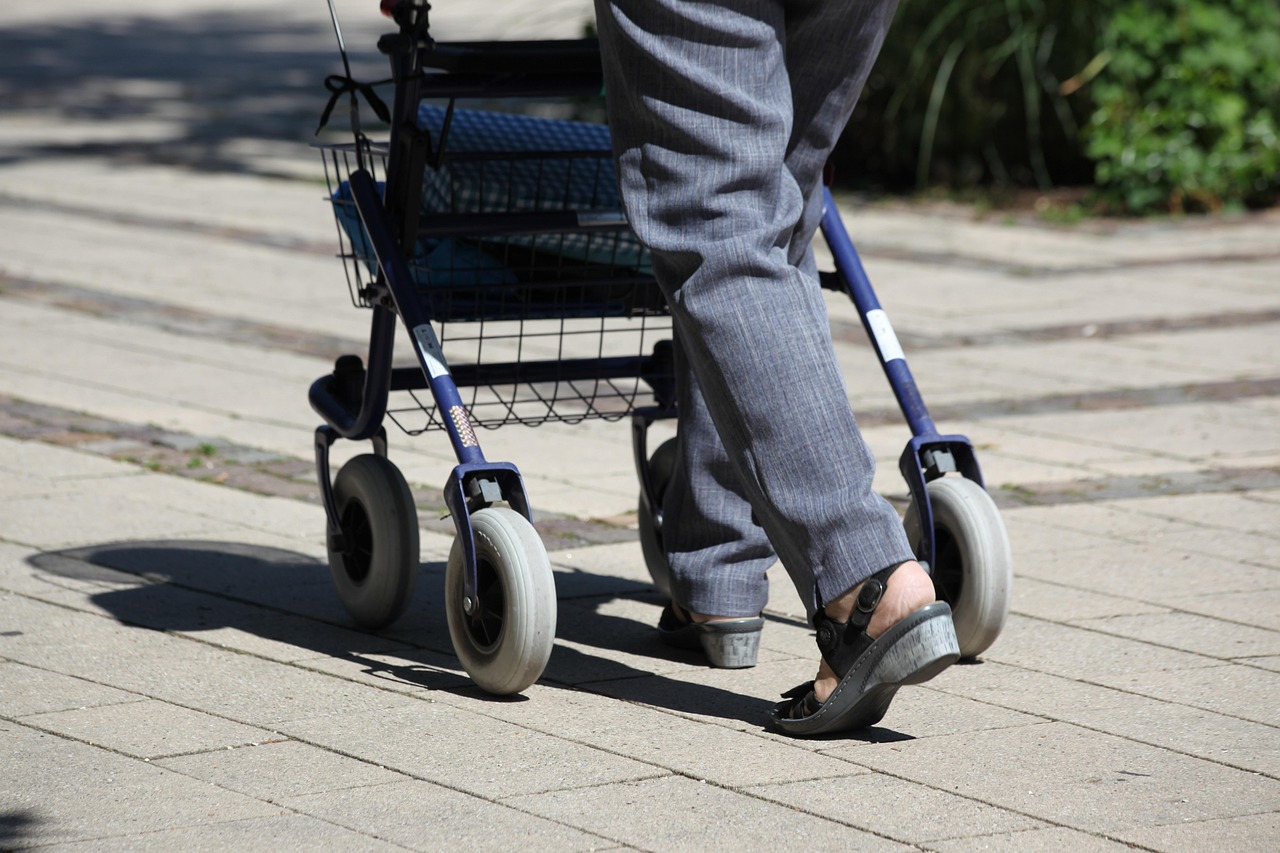
Aging is an inevitable process that brings a collection of changes to our bodies, especially affecting flexibility and mobility. Flexibility refers to the range of motion of our joints and muscles, while mobility involves our ability to move freely and easily. As we age, the connective tissues in our bodies, such as tendons and ligaments, tend to stiffen. This results in decreased flexibility, which can significantly impact daily activities. Regular physical activity plays a crucial role in maintaining flexibility. Engaging in stretching exercises can help keep these connective tissues supple. Additionally, it is important to consider muscle strength, which also diminishes with age. Strength training can counteract this decline and enhance mobility. Furthermore, hydration and nutrition contribute to the health of muscles and joints, supporting overall flexibility and mobility. Understanding these changes prepares individuals to adjust their exercise routines accordingly, promoting a healthier aging process. By recognizing the relationship between aging and flexibility, older adults can adopt proactive measures to maintain and even enhance their mobility as they age. Furthermore, this awareness can lead to improved quality of life and increased independence.
With age, many experience a decline in physical fitness, which further exacerbates the issues of flexibility and mobility. The decline could result from various factors, including sedentary lifestyles, chronic conditions, and reduced physical activity. Regular physical exercise is essential for older adults to combat these declines effectively. Participating in activities that promote flexibility, strength, and balance is vital. Stretching routines, yoga, and tai chi are excellent for enhancing flexibility and maintaining joint mobility. It is crucial to incorporate these activities into a weekly schedule to reap maximum benefits. Moreover, older adults should listen to their bodies and respect pain levels to avoid injury. A gradual increase in intensity during workouts can lead to better results over time. Consulting with healthcare professionals or fitness trainers experienced in working with seniors can lead to tailored fitness plans. This personalized approach helps older adults set realistic goals while still challenging themselves. It is also important to engage in social exercises or group classes, as they promote motivation and accountability. Strengthening social connections while exercising can contribute to improved mental well-being along with physical fitness.
The Impact of Joint Health
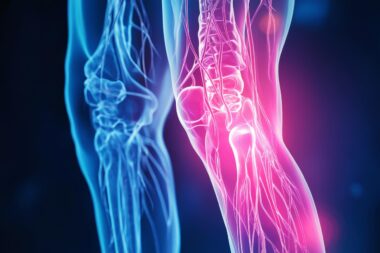
Joint health becomes increasingly important as individuals age, as it directly influences mobility and flexibility. Aging can lead to conditions like osteoarthritis, which causes joint pain and stiffness, further limiting movement. Knowledge about joint health is essential for older adults to manage and prevent these issues effectively. Regular check-ups with healthcare specialists can identify potential joint problems early. Weight management is another critical factor impacting joint health; excess weight adds strain to load-bearing joints like hips and knees. Therefore, maintaining a healthy weight through a balanced diet and regular exercise is advisable. In addition, knowing which activities are joint-friendly is crucial. Low-impact exercises, such as swimming and cycling, can provide significant benefits without stressing the joints excessively. Furthermore, supplementing diets with nutrients that support joint health, such as omega-3 fatty acids or glucosamine, can aid in enhancing mobility and flexibility. Staying active while being mindful of joint health issues is a balance that older adults should strive for, fostering longevity in life without compromising quality. Education on proper body mechanics during everyday tasks can also minimize joint stress and prevent injury.
Aging and sedentary behavior often foster negative impacts on proprioception, which is the awareness of body positioning and movement. Impaired proprioception can result in unsteady movements and an increased risk of falls. When individuals lose awareness of their body’s positioning in space, mobility becomes compromised. To counteract this, engaging in balance training exercises is crucial. Simple activities, such as standing on one leg or walking heel-to-toe, can enhance stability, coordination, and proprioceptive reflexes. Incorporating balance improvements into a regular fitness routine can help older adults feel more confident in their ability to move around safely. Activities like yoga and Pilates that emphasize body control and awareness can be greatly beneficial. Additionally, environmental modifications at home can enhance mobility and prevent falls. This may include removing clutter, installing grab bars, or ensuring adequate lighting throughout the living space. Community centers often offer classes or programs tailored to older individuals focusing on maintaining balance and flexibility. Therefore, emphasizing proprioception through dedicated exercises and lifestyle adjustments helps significantly promote safer mobility as one ages, ensuring active independence.
Staying Motivated and Active
Staying active and motivated is key in combating the decline of flexibility and mobility as we age. Establishing specific fitness goals can help create focus and accountability. Set small, achievable milestones that can boost your confidence and elevate your commitment to remaining active. Consider finding a workout buddy to engage in activities together, as camaraderie can foster motivation. It is essential to focus on a variety of enjoyable exercises, including strength training, flexibility work, and cardiovascular fitness. Exploring different classes, such as aqua aerobics or dance, can add fun to the routine while targeting various aspects of fitness. Keeping a journal can assist in tracking progress and maintaining a positive mindset towards achieving fitness goals. Celebrating achievements, regardless of size, fuels continual motivation. Additionally, community programs often target older adults through engaging classes to improve flexibility and mobility. Prioritizing movement as a part of daily living is crucial, and small changes like choosing to walk instead of drive can enhance physical activity levels. Engaging in hobbies that require movement is also valuable, allowing individuals to have fun while remaining active.
Nutrition plays a vital role in supporting flexibility and mobility as we age. A balanced diet rich in vitamins and minerals assists in maintaining muscle health and joint function. Consuming foods high in antioxidants helps combat inflammation, which is particularly beneficial for aging joints. A diet rich in protein, lean meats, dairy, beans, and nuts aids muscle maintenance and recovery. Additionally, it’s essential to stay well-hydrated, as dehydration can lead to reduced joint lubrication and stiffness. Paying attention to dietary choices can foster improved flexibility and mobility, contributing to overall quality of life. Furthermore, incorporating omega-3 fatty acids, found in fish and flaxseeds, can promote joint health. Supplementing vitamin D and calcium is also essential for maintaining bone density. Consuming a colorful variety of fruits and vegetables provides essential phytonutrients that bolster overall health as well. Educating oneself on nutritional requirements can lead to a more informed approach to food choices. As individuals age, the importance of adapting dietary habits to maintain mobility should not be overlooked. A nutritious diet helps equip the body for the physical challenges that come with age, promoting better flexibility overall.
Conclusion: Embracing Mobility
Embracing mobility through proactive measures is essential as individuals age. Understanding the natural changes that occur makes it possible to develop strategies that positively influence flexibility. Taking control of one’s fitness routine, joint health, and nutrition fosters an environment in which mobility can thrive. By incorporating stretching, balance exercises, and strength training, older adults can significantly enhance their flexibility and mobility levels. The importance of staying active, both socially and physically, plays a crucial role in ensuring an independent lifestyle. Additionally, considering nutritional choices ensures adequate hydration and nourishment for muscle and joint health. Seeking guidance from professionals when necessary can personalize fitness endeavors and provide valuable resources for maintaining mobility. Resources could include community centers or online platforms offering tailored exercises suitable for older adults. Ultimately, understanding the aging process inspires individuals to embrace their capabilities and strive for improvement continuously. Mobility should be viewed as a means of enhancing life experiences rather than a limitation. By being proactive and making informed choices, older adults can significantly impact their flexibility and mobility, leading to a healthier and more vibrant quality of life.
This is another paragraph with exactly 190 words…