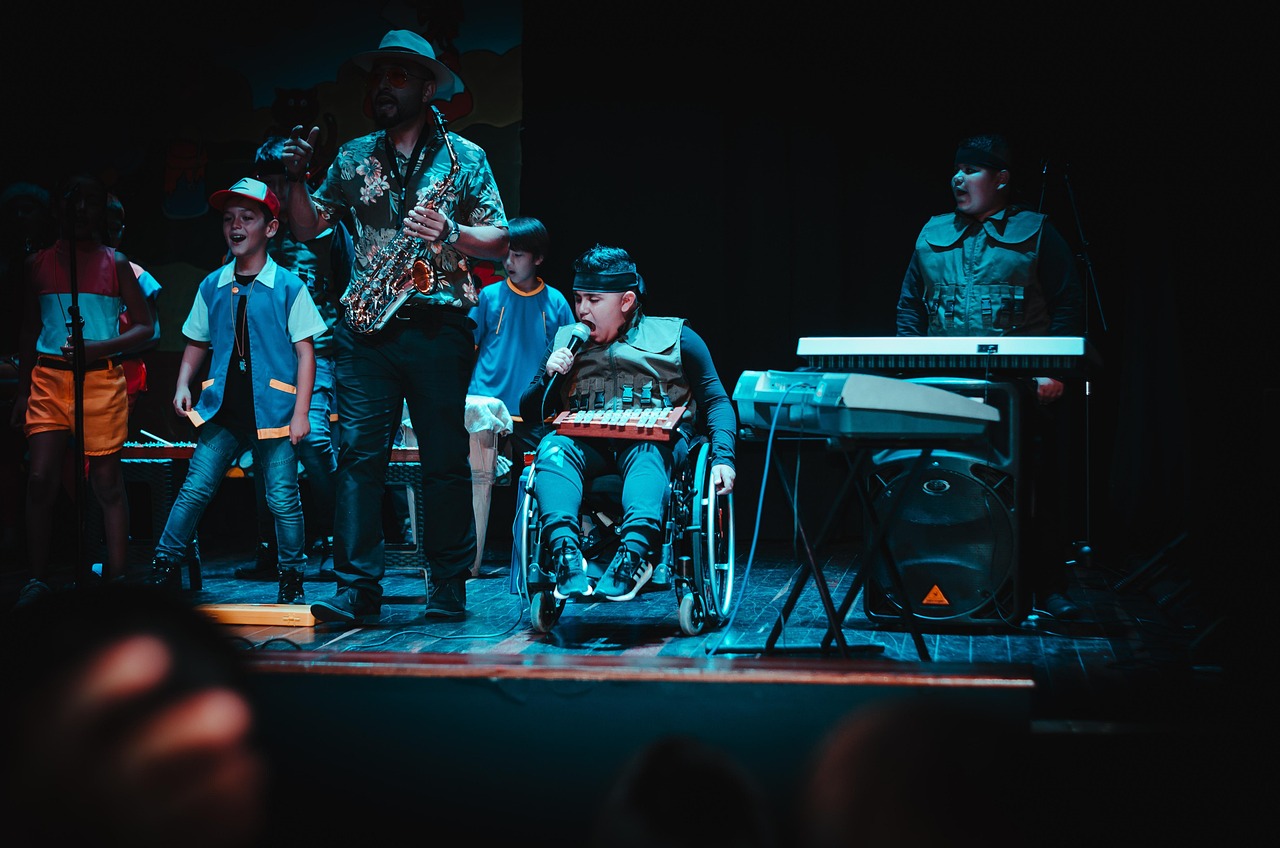

Creative Movement Strategies for Adaptive Fitness Enthusiasts
Adaptive fitness encompasses a range of activities tailored specifically for individuals with disabilities. One exciting area is adaptive dance and movement, which promotes expression and physical well-being. Here are some creative movement strategies that can enhance the experience for these enthusiasts. First, consider integrating music that resonates emotionally with participants, as rhythm can inspire movement. Second, employing a variety of textures in equipment can provide sensory feedback, making the experience engaging and fun. Additionally, using visual stimuli, such as colorful lights or displayed images, can enhance focus and motivation. Collaboration with dancers who have disabilities offers insight and firsthand experience that enriches the program’s design and execution. Joint classes, where able-bodied and disabled dancers practice together, foster inclusivity and community. Lastly, provide opportunities for improvisation; letting participants express themselves in a non-judgmental setting can lead to unexpectedly joyful and liberating movement experiences. The synergy between creativity and fitness in adaptive dance provides avenues for growth and self-expression, making it a significant area for development in adaptive fitness.
Benefits of Adaptive Dance
Engaging in adaptive dance and movement yields numerous benefits for individuals with disabilities. Physical health improvements include enhanced flexibility, strength, and coordination. Moreover, dance serves as an excellent cardiovascular workout, promoting overall wellness. Mental health also sees a significant boost from participating in these activities. They create an environment where individuals can express themselves freely, which helps in reducing anxiety and depression. Furthermore, the social aspects of dance build community and friendships among participants. Encouraging group classes can facilitate stronger bonds and teamwork, forging lasting relationships beyond the dance floor. Cognitive benefits arise as well, as learning choreography and rhythm patterns stimulates brain function, enhancing memory, and spatial awareness. Importantly, the supportive atmosphere fosters self-esteem and confidence. Participants often feel empowered by their accomplishments, leading to a sense of pride in their abilities. Instructors play a crucial role; their understanding and adaptive teaching methods ensure each individual’s needs are met. By celebrating achievements, no matter how small, dance can transform lives, providing joy and fulfillment for all involved in adaptive fitness activities.
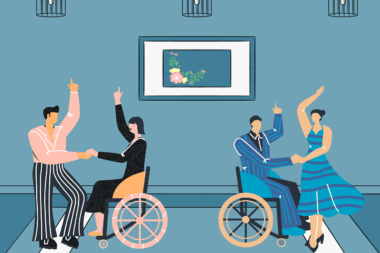
A wide variety of techniques can be utilized in adaptive dance to cater to individual needs and preferences. One method is the use of seated dance activities, which allows wheelchair users to participate fully in the class. Designing dance moves that integrate the upper body can create inclusive experiences while developing coordination and strength. Modifications can also include having participants use props, such as scarves or hoops, to facilitate movement with ease. Incorporating these elements can make dance accessible, inviting everyone to participate can make for a richer experience. Moreover, it’s essential to personalize each approach depending on the individual’s specific abilities and preferences, ensuring engagement and comfort. Sensory-motor activities, like rhythmic clapping or marching in place, can serve as warm-up activities and are easily adapted for diverse abilities. Instructors should embrace an open-ended style of teaching, allowing spontaneous elements to emerge within the dance sessions. This flexibility encourages energizing creativity that enhances the overall enjoyment of the class. The focus should always remain on fun and expression, leading to meaningful engagement with dance as a therapeutic medium for those in adaptive fitness settings.
Incorporating Technology in Adaptive Dance
Technology offers new opportunities for improving adaptive dance experiences. Virtual reality (VR) can transport participants to various environments, inspiring creative movements and offering immersive experiences that stimulate mental and physical engagement. Using VR headsets can help those with physical limitations escape into beautifully crafted worlds, fostering exploration and creativity through movement. Additionally, mobile applications designed for movement coaching can assist participants in learning new techniques at their own pace. Video tutorials can be helpful, allowing individuals to repeat moves as necessary and boost confidence. Wearable fitness trackers provide feedback about physical activity levels, guiding participants towards their fitness goals while ensuring safety. Furthermore, online classes and communities provide avenues for social interaction beyond traditional class settings. Encouraging remote participation enables individuals from different backgrounds to connect and share their experiences. When effectively combined, technology and adaptive dance offer a futuristic perspective, making fitness not only accessible but also enjoyable, tapping into new creative outlets. This approach ensures that adaptive fitness enthusiasts engage with dance in diverse and enriching ways, promoting an inclusive community that values creativity and expression.
When crafting adaptive dance sessions, the role of the instructor is pivotal for fostering an inclusive environment. Instructors must be trained in recognizing diverse needs and adapting their teaching styles accordingly. Developing an empathetic understanding of participants’ capabilities ensures each individual feels valued and included in the learning process. Creating a safe and welcoming atmosphere encourages participants to express themselves freely. Furthermore, instructors should consider ongoing training to stay updated on the latest adaptive techniques and movement strategies. Collaboration with occupational therapists or dancers experienced in adaptive movement can greatly enhance teaching methods. Implementing regular feedback sessions with participants helps instructors to fine-tune classes, addressing the needs and desires of the group. It is critical to work together to create a fun yet challenging environment that inspires confidence and growth. Celebrating progress and milestones encourages participants, reinforcing a sense of accomplishment that motivates them to return. With proper guidance, adaptive dance and movement can significantly transform lives, promoting personal growth and community through shared experiences.
The Importance of Community in Adaptive Fitness
Building a supportive community around adaptive fitness initiatives fosters connection and shared understanding among participants. Social interactions provide emotional support, encouraging individuals to engage regularly. Strong relationships can develop as participants share their experiences and challenges, enhancing their journey through adaptive dance together. These communal bonds often lead to deeper connections outside of class, creating friendships that can last a lifetime. Group events, such as showcases or performances, enable participants to demonstrate their skills, gaining a sense of accomplishment while boosting their confidence. Hosting workshops allows community members to collaborate and learn from each other, sharing techniques and insights that inspire growth. Community outreach programs can also be established to share knowledge and showcase adaptive dance to the broader public, increasing awareness and acceptance. Engaging with other organizations dedicated to inclusivity and fitness amplifies the impact of adaptive dance initiatives. Most importantly, a collective spirit motivates every participant, creating a shared goal that transcends individual challenges. Together, adaptive fitness enthusiasts can dismantle barriers and celebrate the beauty of movement, nurturing a sense of belonging and empowerment through dance.
In conclusion, creative movement strategies play a crucial role in empowering adaptive fitness enthusiasts. Through adaptive dance, individuals with disabilities can enhance their physical health, mental well-being, and social connections. The best practices, such as incorporating individualized techniques, technology, and building community connections, form a robust foundation for a successful adaptive dance program. Participants not only experience the joy of movement but also build confidence as they express themselves in a supportive environment. As instructors harness these strategies, they create inclusive experiences that highlight the unique talents of each individual. It is essential to continue exploring innovative techniques and approaches while remaining attuned to the changing needs of participants. Emphasizing the importance of fun, exploration, and personal growth ensures persistent engagement and satisfaction. Ultimately, adaptive dance becomes a transformative vehicle for all involved, encouraging creativity and expression beyond traditional fitness. This commitment to inclusivity and empathy paves the way for a future where everyone can enjoy the countless benefits of movement, marking a significant advancement in adaptive fitness initiatives. Working together, the community can continue to flourish, celebrating the beauty of dance in all its forms.