
User-Friendly Smart Rehabilitation Gadgets for Beginners in Fitness Recovery
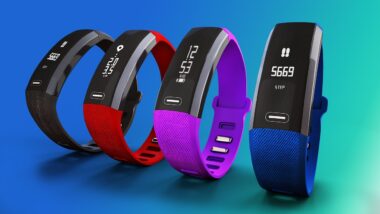
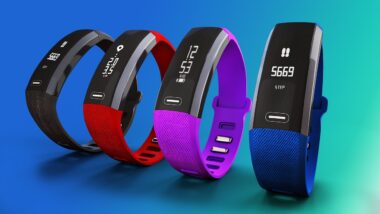
As the world of fitness continues to evolve, smart rehabilitation devices have become crucial for both ordinary individuals and athletes. These gadgets are designed to assist in recovery processes, enhancing the overall rehabilitation experience. Users can find a wide range of smart devices aimed at simplifying the journey toward recovery. Modern technology makes it easy to monitor progress, which provides motivation for users. By utilizing these smart gadgets, beginners in fitness recovery can ensure they are not only following best practices but also fostering a more efficient recovery. Many rehabilitation devices feature built-in sensors that track mobility and range of motion, allowing users to evaluate how effectively their recovery is progressing. This data can be invaluable for tailoring rehabilitation programs. Additionally, smart rehabilitation devices frequently offer connectivity features, often linking to smartphones or tablets, so users can receive prompts or updates about their exercise regimes. This level of engagement often leads to increased adherence and interest in rehabilitation routines, making the journey smoother and more enjoyable.
Furthermore, smart rehabilitation gadgets are often designed with user-friendliness in mind, making them ideal for those new to these technologies. Many of these devices feature intuitive interfaces that simplify user interaction, providing a more comfortable experience. Beginners can easily access features and understand their functions without needing an extensive background in technology. Additionally, many devices come with instructional videos or tutorials that guide users through the initial setup, helping them feel confident using their new gadgets. With features such as designated modes for various rehabilitation protocols, users can select exercises tailored to their needs. For instance, a device might have specific settings for common rehabilitation challenges such as post-surgery recovery or sports injuries. This personalization can make a significant difference, empowering users to engage safely with their recovery routines. Moreover, regular usage can contribute to improved outcomes, as users are more likely to stick with devices that meet their needs effectively. It’s important to remember that technology should serve as a tool to enhance rehabilitation, not complicate it. Therefore, choosing user-friendly gadgets is essential for beginners.
Popular Smart Rehabilitation Devices for Beginners
Several popular smart rehabilitation devices have gained traction among beginners, offering features that help enhance recovery. One such device is the smart walking boot, which often incorporates sensors to monitor foot placement and weight distribution. This data can assist in preventing re-injury by ensuring the user maintains proper form as they recover. Another notable device is the smart brace, which can offer insights into joint movement and stability. Providing real-time feedback, these braces can guide wearers toward a safer rehabilitation process. Additionally, vibrating massage guns have emerged as trendy recovery tools, providing deep tissue massage and increasing血 circulation to assist muscle recovery. Moreover, they can be used with specific routines established within the accompanying apps. Lastly, innovative electrotherapy devices have begun to crop up, delivering electrical impulses to ease pain and promote healing. By integrating technology into their recovery processes, beginners can optimize their rehabilitation journeys. These devices simplify complex recovery protocols, allowing users to focus on their health while enjoying the benefits of modern advancements.
Moreover, it’s essential to consider the importance of incorporating professional advice into the use of smart rehabilitation gadgets. Users should consult with healthcare professionals before starting any new rehabilitation regimen, especially when using technology-based solutions. This ensures that their chosen devices align with their specific recovery needs. Physical therapists can provide valuable insights on which gadgets might best suit an individual’s conditions, thereby enhancing the overall effectiveness of the rehabilitation process. Importantly, many smart rehabilitation devices are designed to complement traditional therapy rather than replace it. Users should view these devices as supportive tools rather than cures in themselves. Maintaining open communication with healthcare providers while using smart devices can lead to more successful outcomes and tailored recommendations concerning usage. This collaboration can optimize recovery times and improve the user’s overall experience. Ultimately, prioritizing personalized care ensures that technology supports the user’s journey, empowering them to reach rehabilitation milestones safely and efficiently. By merging technology with professional guidance, going forward can be significantly more effective.
The Future of Smart Rehabilitation Devices
As technology advances, the future of smart rehabilitation devices looks promising, offering exciting innovations designed to enhance recovery processes. Emerging technologies are driving significant developments in areas like wearable sensors, which may enable even more detailed monitoring of rehabilitation progress. These advancements will likely include sensors integrated into clothing, providing vital data without cumbersome devices. Additionally, artificial intelligence could play a crucial role in personalizing rehabilitation, analyzing user data to tailor exercise programs dynamically. This tailored approach can help users achieve their recovery goals more effectively than ever. Virtual reality (VR) is gaining traction too, allowing users to engage in immersive rehabilitation experiences that can make exercise more enjoyable and motivating while removing barriers. The use of telehealth in conjunction with smart rehabilitation devices will continue to expand, connecting users with professionals remotely for ongoing support and adjustments to their recovery plans. As these technologies integrate further, the ability to recover and rehabilitate efficiently will likely improve drastically. This evolution in the fitness and wellness industry will empower more individuals to take control of their rehabilitation journeys.
In line with advancements in rehabilitation devices, user community engagement is gaining more importance in the fitness technology landscape. Many smart rehabilitation gadgets come equipped with social platform integration, allowing users to interact, share experiences, and offer support to one another. This engagement creates a sense of community and can enhance motivation levels among users, knowing that they are not alone in their recovery journeys. Online forums and dedicated apps often serve as platforms where users can ask questions, share tips, and celebrate successes together. Additionally, tracking progress and sharing these milestones with others can bolster commitment and accountability in their rehabilitation efforts. Gamification elements such as competitive challenges or rewards for achieving specific goals can further enhance user engagement, making recovery feel rewarding. Social accountability, in combination with technology, equips users with the tools they need to remain focused on their recovery. By fostering a supportive environment, both virtually and physically, users can feel empowered and encouraged throughout their rehabilitation experience. Such community dynamics will amplify the effects of smart rehabilitation during this ongoing journey.
Conclusion: Embracing Smart Rehabilitation for Fitness
In conclusion, incorporating user-friendly smart rehabilitation gadgets into fitness recovery can significantly enhance the journey for beginners. These devices empower users by providing helpful data, guiding them through personalized regimens, and ensuring they engage in safe practices. While technology continues to improve, the importance of maintaining professional guidance remains paramount. By embracing these innovations while working closely with healthcare suggestions, users can optimize their rehabilitation outcomes. The evolution of smart gadgets includes a focus on user experience, helping to demystify technology for beginners while offering invaluable assistance. As the landscape of fitness technology changes, the connection between users and their devices grows stronger, turning rehabilitation into a more manageable process. Moving forward, the integration of community engagement and further personalizations will only serve to enhance successful recoveries. With encouragement from peers and the backing of healthcare professionals, beginners will find themselves navigating rehabilitation pathways with greater ease and motivation. Ultimately, embracing smart rehabilitation devices empowers individuals on their unique journeys toward recovery and a healthier lifestyle.
Lastly, maintaining a positive mindset throughout the recovery process is key to achieving successful rehabilitation outcomes. Users must remember that progress may vary greatly, but persistence is vital. Smart rehabilitation devices can track small improvements that may often go unnoticed, helping users maintain focus and optimism. Engaging in regular workouts can gradually build confidence and strength, promoting a sense of accomplishment. It’s essential to celebrate achievements, regardless of size, acknowledging each step closer to recovery as a significant milestone. By cultivating a positive environment, users can navigate setbacks without becoming discouraged. Additionally, seeking support from family and friends while using such devices can also be beneficial, so users feel emotionally bolstered throughout their rehabilitation journey. Fortifying mental health alongside physical recovery contributes to overall success. Ultimately, recognizing that recovery is a journey rather than a race shifts the focus from speed to sustainable growth. By valuing the process and employing user-friendly gadgets, beginners can fully appreciate the adventure that is rehabilitation, paving the way for a renewed approach to fitness and wellness in their lives.