
The Science Behind Home Exercise and Stress Hormone Reduction
Home workouts have gained popularity for various reasons, especially in recent years. People often seek effective ways to alleviate stress while maintaining a healthy lifestyle. Studies indicate that exercise can significantly impact our body’s stress hormones, such as cortisol and adrenaline. By engaging in regular physical activity, you can lower these hormones, leading to improved mental well-being. Mechanisms involved include the release of endorphins, the body’s natural painkillers, and mood elevators. Additionally, exercise promotes better sleep, which is crucial for stress management. It can also enhance cognitive function and memory, often affected by prolonged stress. Hence, home exercise serves as an accessible solution for many individuals seeking to regain control of their mental health amidst daily challenges. Incorporating home workouts into your routine can be manageable and enjoyable. From bodyweight exercises to virtual fitness classes, a range of options caters to different personal preferences. Even simple activities such as yoga and pilates can contribute positively to mental health by emphasizing relaxation and mindfulness. Individual exercises, whether high-energy or calming, can bring significant benefits, making this approach a valuable one for managing stress.
Understanding Stress Hormones
Stress hormones play a crucial role in responding to environmental changes and challenges. Two primary hormones involved in this process are cortisol and adrenaline. When a person encounters a stressful situation, the body initiates a ‘fight or flight’ response, releasing these hormones into the bloodstream. Cortisol, often referred to as the stress hormone, helps regulate metabolism, immune response, and blood pressure. Elevated cortisol levels can lead to adverse health effects, such as anxiety, insomnia, and weight gain if not managed properly. Regular exercise helps mitigate these negative outcomes by decreasing cortisol production. On the other hand, adrenaline prepares the body for immediate action, increasing heart rate and energy levels during stress. Thus, it becomes essential to find strategies to manage stress hormone levels effectively. Home workouts target this need by providing a convenient setting for physical activity. Engaging in exercises increases heart rate and stimulates endorphin release, thereby creating a more balanced approach to stress management. To achieve optimal results, varying workout types and allowing sufficient recovery are crucial in helping to lower stress hormones. Finding a suitable exercise routine can significantly impact overall stress levels and emotional health.
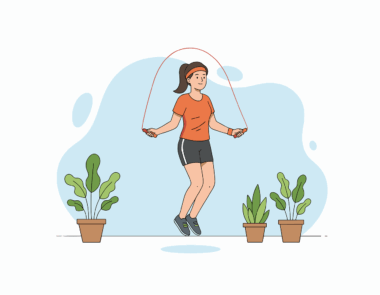
One effective way to approach home workouts for stress relief is by incorporating cardiovascular training into your routine. Activities like jogging, cycling, or dance workouts can effectively elevate your heart rate and stimulate endorphin production. These endorphins, often called “feel-good” chemicals, naturally enhance mood and reduce feelings of stress. Engaging in moderate-intensity exercises for at least thirty minutes can lead to immediate psychological benefits. Research has shown that consistent engagement in aerobic exercise greatly contributes to lower anxiety levels among participants. Furthermore, combining various cardiovascular workouts with other forms of physical activity may promote the brain’s adaptability, enhancing overall mental resilience. If you’re unsure where to start, consider following guided online workout sessions to help you remain motivated and on track. This can also provide structure to your training, making it easier to measure progress and mental well-being improvements. Regular participation can create a daily habit, leading to more sustainable results. Making cardiovascular workouts enjoyable is important, as retaining interest promotes consistency and adherence. When workouts become part of a routine, benefits for managing stress and enhancing overall well-being significantly amplify.
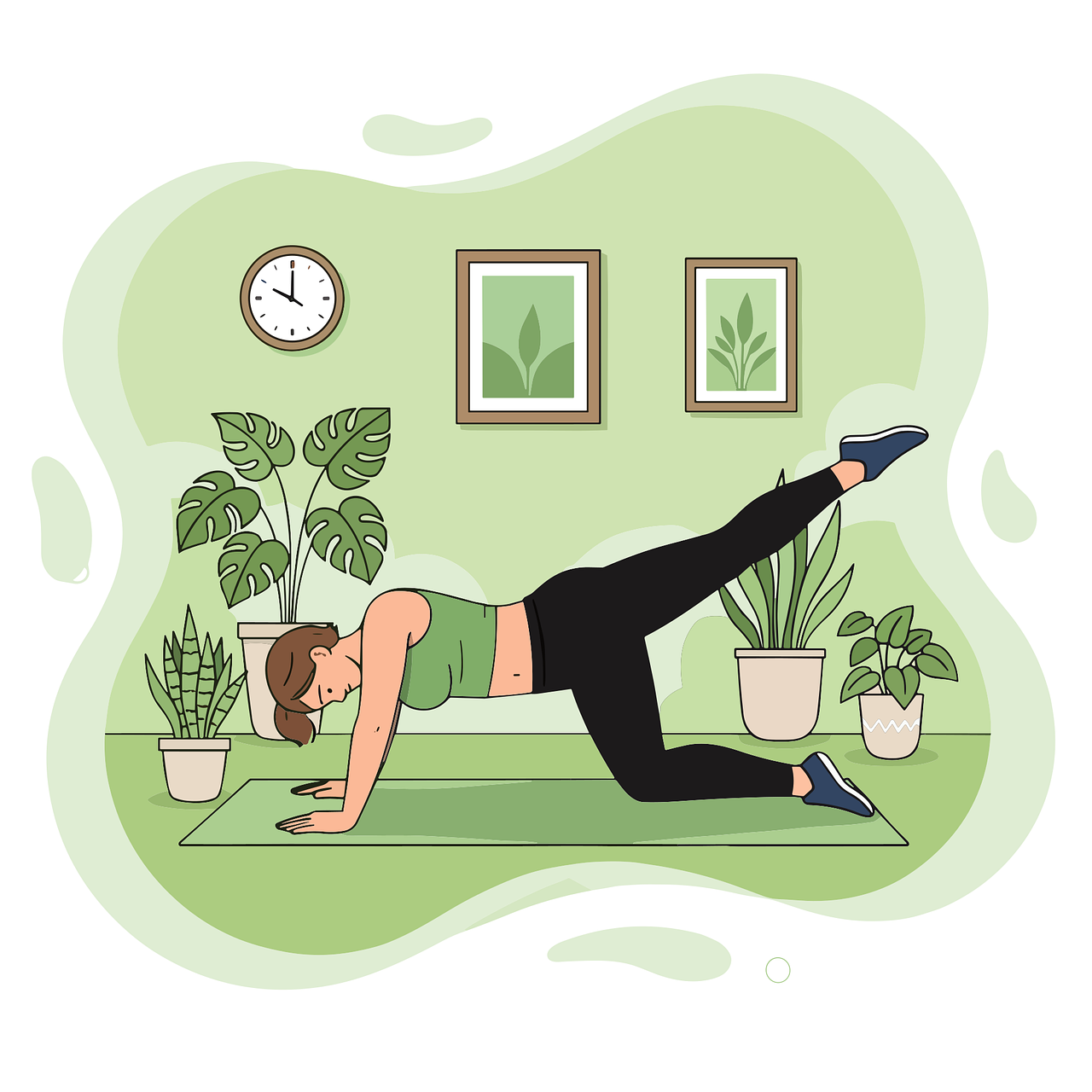
In addition to cardiovascular exercises, incorporating strength training can also enhance stress relief. Strength workouts offer various mental health benefits by improving self-esteem, creating a sense of accomplishment, and empowering individuals. Engaging in resistance exercises, such as bodyweight workouts, resistance bands, or free weights, can stimulate an adrenaline response that helps improve focus and clarity. This can lead to feeling more in control and less overwhelmed by daily stressors. Alongside better self-image, strength training contributes to increased bone density and muscle mass, promoting overall physical fitness. With home workouts, individuals can adapt exercises to their fitness level and gradually increase intensity as they progress. These workouts can be designed to fit within busy schedules, eliminating the need for a gym visit. The key is to find a suitable strength routine that can be practiced regularly, such as through bodyweight exercises like push-ups, squats, or lunges. Adding strength training to your exercise regimen can improve stress management and physical health. Results are often seen within weeks, ranging from improved mood to enhanced body composition, further motivating individuals to retain their workout regimen.
The Role of Mindfulness and Flexibility
Integrating mindfulness practices into home workouts can also play a significant role in stress relief. Mindful exercises such as yoga and tai chi combine physical movement with meditation, encouraging mental clarity and relaxation. These practices offer numerous benefits, including promoting an awareness of breathing and body alignment. Enhanced focus on the present moment can relieve anxiety and help to reduce negative thinking patterns that often accompany stress. Flexibility training, such as static stretches and mobility routines, can enhance physical performance and provide significant mental health benefits. Flexibility practices can help individuals calm their minds and let go of tension, both physically and mentally. Experiencing these benefits can boost confidence and motivate individuals to incorporate regular flexibility workouts into their routines. Finding a suitable program can ensure that both physical and mental health aspects are addressed. Practicing relaxation techniques alongside some form of physical exercise can also prove effective. Improving flexibility enhances posture, potentially reducing physical discomfort correlated with stress. This integrative approach makes flexibility training a valuable addition to any comprehensive home workout strategy for stress relief.
Establishing a consistent home workout schedule is essential for achieving stress reduction through exercise. Setting aside designated time for regular physical activity can help individuals maintain focus and build a workout habit. Aim for a minimum of 150 minutes of moderate aerobic exercise per week, combined with strength training sessions twice a week. Having a structured plan can lead to more significant results. Individuals may find it helpful to track their progress in terms of performance and mood. This can offer measurable metrics to gauge improvement over time and encourage continued participation. Additionally, creating a dedicated workout space at home can enhance motivation and focus, minimizing distractions during exercise sessions. Consider adding inspiring decorations, lighting, or even playing energizing music to create an enjoyable environment. With a consistent schedule, tracking progress, and an enjoyable space, the likelihood of sticking to home workouts increases. Moreover, celebrating small achievements can foster motivation and commitment. Successfully overcoming challenges can reinforce a sense of accomplishment and make exercise a cherished part of daily life, ultimately contributing to stress relief and enriched well-being.
In conclusion, the science behind home workouts and stress hormone reduction is well-supported by various studies. Engaging in regular exercise shows a profound impact on reducing cortisol and adrenaline levels, thus leading to improved mental health. Home workouts offer a unique opportunity for individuals to explore a variety of exercises and practices. The versatility of home workouts means you can easily tailor them to fit personal preferences and schedules. Ultimately, dedicating time to physical well-being promotes emotional stability and resilience against stress. Whether through cardiovascular or strength training, incorporating mindfulness practices and flexibility drills can achieve noteworthy benefits. The relationship between exercise and stress relief underscores the importance of maintaining an active lifestyle. Making home workouts a priority can not only contribute to reduced stress hormone levels but also cultivate a deeper connection to overall health. With that in mind, consider finding an approach that resonates with your individual needs and goals. Whether working alone or following a guided program, enjoy the benefits of a healthier mind and body through engaging in home workouts regularly.