
Examining the Benefits of Caffeine in Sports Nutrition for Mental Focus
Caffeine is a popular stimulant commonly found in beverages such as coffee and tea. It has been extensively researched for its benefits in sports nutrition, particularly for enhancing mental focus and cognition. Athletes commonly use caffeine to improve performance levels during their training sessions and competitions. Studies suggest that caffeine can enhance alertness, focus, and reaction times, making it an ideal supplement for competitive sports. It works by blocking adenosine receptors, leading to increased neuronal firing and the release of neurotransmitters like dopamine and norepinephrine. This boost in brain activity contributes to heightened focus, particularly during periods of fatigue. Furthermore, caffeine has been shown to improve cognitive function not just in athletes but also in non-athletes. Regular consumption of caffeine can help create an optimal state for effective mental processing, which is crucial for decision-making in high-pressure situations, like athletic competitions. Caffeine also plays a role in combatting mental fatigue, ensuring athletes maintain optimum cognitive abilities throughout endurance events, where mental stamina is just as important as physical stamina.
Caffeine’s effects on mental focus extend beyond just basic alertness. According to various research findings, it enhances the speed of information processing and reaction times. Increased focus is critical in sports that require quick decision-making and precise timing. Athletes who consume caffeine may find they can react faster to changing situations in their sport. This has specific benefits in competitive events such as tennis or soccer, where split-second decisions can determine outcomes. Moreover, caffeine has a unique benefit in reducing the perception of effort, allowing athletes to perform better without feeling as fatigued. This can lead to greater training loads and higher levels of performance over time. It’s important to note that dosage plays a pivotal role in achieving these cognitive benefits. Each athlete may respond differently, suggesting the necessity for personal testing to determine the optimal amount of caffeine. Guidelines recommend doses of around 3 to 6 mg per kilogram of body weight to enhance athletic performance effectively. Understanding personal tolerance for caffeine can help athletes leverage its benefits without experiencing adverse side effects such as jitteriness or anxiety.
Potential Side Effects of Caffeine in Sports Nutrition
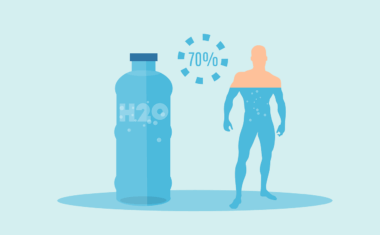
While caffeine offers numerous advantages, athletes should also consider potential side effects. Some athletes may experience negative reactions to caffeine, commonly including anxiety, insomnia, or increased heart rate. These effects can vary widely based on individual sensitivity, which necessitates a careful approach to caffeine supplementation. For instance, too much caffeine can lead to increased jitters, making it difficult for an athlete to concentrate. Additionally, excessive caffeine consumption can disturb sleep cycles, leading to long-term fatigue and reduced performance during training and competition. Moreover, hydration is another critical concern; caffeine can act as a mild diuretic, which may tend to dehydrate the body, especially if consumed in large quantities. Maintaining adequate hydration is crucial for optimal athletic performance, particularly in endurance sports. Consequently, athletes must balance the stimulant effects of caffeine with its potential drawbacks. Monitoring caffeine intake alongside personal experiences can help in understanding the right amount that maximizes benefits while minimizing adverse effects. Consulting sports nutritionists can also be helpful in developing tailored caffeine strategies to harness its cognitive-enhancing properties.
Proper timing of caffeine intake is vital for maximizing its cognitive benefits. Consuming caffeine about 30 to 60 minutes before a workout or competition can lead to peak performance. Planning caffeine consumption strategically can provide lasting benefits, enabling athletes to harness energy and focus effectively throughout their performance. Athletes must consider not just the amount but also the timing of caffeine intake to reap the maximum benefits. For quick-paced sports requiring immediate cognitive processing, earlier consumption may be favored. In contrast, endurance sports, which last several hours, may permit caffeine intake at various intervals to sustain focus and stamina. Some athletes may prefer caffeine capsules or energy gels explicitly designed for longevity in sports. These products allow for controlled dosages, conveniently mitigating the caffeine risks while providing an energy boost when needed most. Athletes can also explore natural sources of caffeine, like matcha or yerba mate, which might offer a different spectrum of benefits while supporting mental focus. Ultimately, finding the right approach to caffeine use is unique to each athlete and their individual performance goals.
Integrating Caffeine with Other Supplements
Integrating caffeine with other dietary supplements can further amplify its cognitive benefits in sports nutrition. For instance, combining caffeine with amino acids can enhance physical performance while simultaneously improving mental focus. Branched-chain amino acids (BCAAs) are popular in this regard, as they support muscle recovery and stamina. Furthermore, the combination of caffeine with creatine might produce synergistic effects, promoting both cognitive functioning and muscular efficiency. This pairing allows athletes to tackle demanding workouts efficiently while keeping their mental clarity intact. Additionally, some studies indicate that pairing caffeine with L-theanine, an amino acid found in green tea, can create a state of relaxed alertness. This balance can enhance focus without leading to the jitteriness sometimes associated with caffeine alone. Depending on an athlete’s sport and personal preferences, they may choose these combinations to optimize performance. Caution should be taken when mixing supplements, as each athlete’s response can vary. Understanding the interactions between substances can help guide athletes in selecting combos that maximize both mental focus and physical performance.
As competition levels rise, so does the interest in caffeine’s role in mental focus and cognition. Athletes increasingly recognize the link between enhanced cognitive abilities and improved performance in sports. Along with physical conditioning and training, the mental aspect profoundly impacts outcomes in competitions. Incorporating caffeine into training regimens not only boosts focus but also aids in maintaining concentration during lengthy competitions. In sports where split-second decisions matter significantly, caffeine can give athletes an edge. Despite the positive aspects, athletes must remember the necessity for monitoring their response to caffeine. This means assessing both performance impacts and the side effects experienced post-consumption. It is crucial for athletes to develop routines that allow them to adapt their caffeine intake based on their performance goals and sporting demands. Variations in workout styles and individual sensitivity should shape personalized caffeine strategies. Ultimately, these personalized strategies, combined with understanding and planning, can lead to maximum cognitive enhancement from caffeine use. Adopting a comprehensive approach, including monitoring health responses and integrating food and supplements, ensures athletes utilize caffeine effectively.
The Future of Caffeine in Sports Nutrition
The evolving field of sports nutrition continually seeks to expand the understanding of caffeine’s impact and potential. Emerging research aims to delve deeper into optimal dosages, timing, and the variability in individual responses. Personalized nutrition, a growing trend, emphasizes tailoring supplements to individual needs and responses, ensuring that athletes receive the most from their supplementation strategies. Furthermore, the development of novel caffeine delivery methods, such as tailored energy drinks or food products, is gaining traction. These innovations are designed to improve absorption rates and enhance the cognitive effects of caffeine while mitigating negative side effects. As technology advances, its role in understanding individual differences in metabolism and response to caffeine will facilitate more targeted recommendations. Athletes can look forward to developments that will allow them to enhance not just their physical but also their mental performance within competitive environments. The ongoing research will likely bring new insights to clarify and optimize the role of caffeine in sports. In conclusion, caffeine remains a vital focus in sports nutrition, and its benefits in mental focus continue to be actively explored by athletes and researchers alike.
The role of caffeine in sports nutrition is critical, presenting opportunities for athletes to enhance mental focus and cognitive performance. As knowledge advances regarding caffeine dynamics, athletes must stay informed about both its benefits and risks. Making educated choices regarding caffeine consumption can lead to improved focus, decision-making, and overall performance in their respective sports. Building a unique nutrition plan that incorporates caffeine within a broader dietary framework ensures that athletes can achieve cognitive peaks without compromising their well-being. Ultimately, examining the cultivation of caffeine’s benefits while maintaining a healthy, balanced perspective represents the way forward in sports nutrition. Balancing cognitive enhancement with physiological needs will help athletes reach peak performance consistently. As the exercise and nutrition landscapes evolve, caffeine stands out as a key element in sports-focused plans. Future studies will clear paths for smarter supplement usage, ensuring that athletes maximize their mental acumen alongside their physical capabilities across diverse sports. Each potential application should be considered carefully to create effective strategies, helping athletes attain goals with focus and clarity.