
The Link Between Chakras and Stress Reduction
The mind-body connection is essential to understanding how our chakras can influence stress reduction. Chakras, as energy centers in our body, play a significant role in our overall well-being. When these energy centers are balanced, they promote harmony and serenity within ourselves. However, if one or more chakras are blocked or unbalanced, it can lead to stress and anxiety. In this regard, it is crucial to recognize the various chakras and their meanings for effective stress relief. Each chakra corresponds to specific physical, emotional, and spiritual aspects of our lives. For instance, the root chakra, located at the base of the spine, relates to our sense of safety and grounding. When we experience stress, it may indicate blockages in this chakra, manifesting as feelings of insecurity. Thus, by unblocking and balancing our chakras, we can alleviate stress and encourage healing in our minds and bodies. This process can involve various techniques such as meditation, yoga, and energy healing practices. By becoming aware of our chakras, we empower ourselves to take steps toward stress reduction.
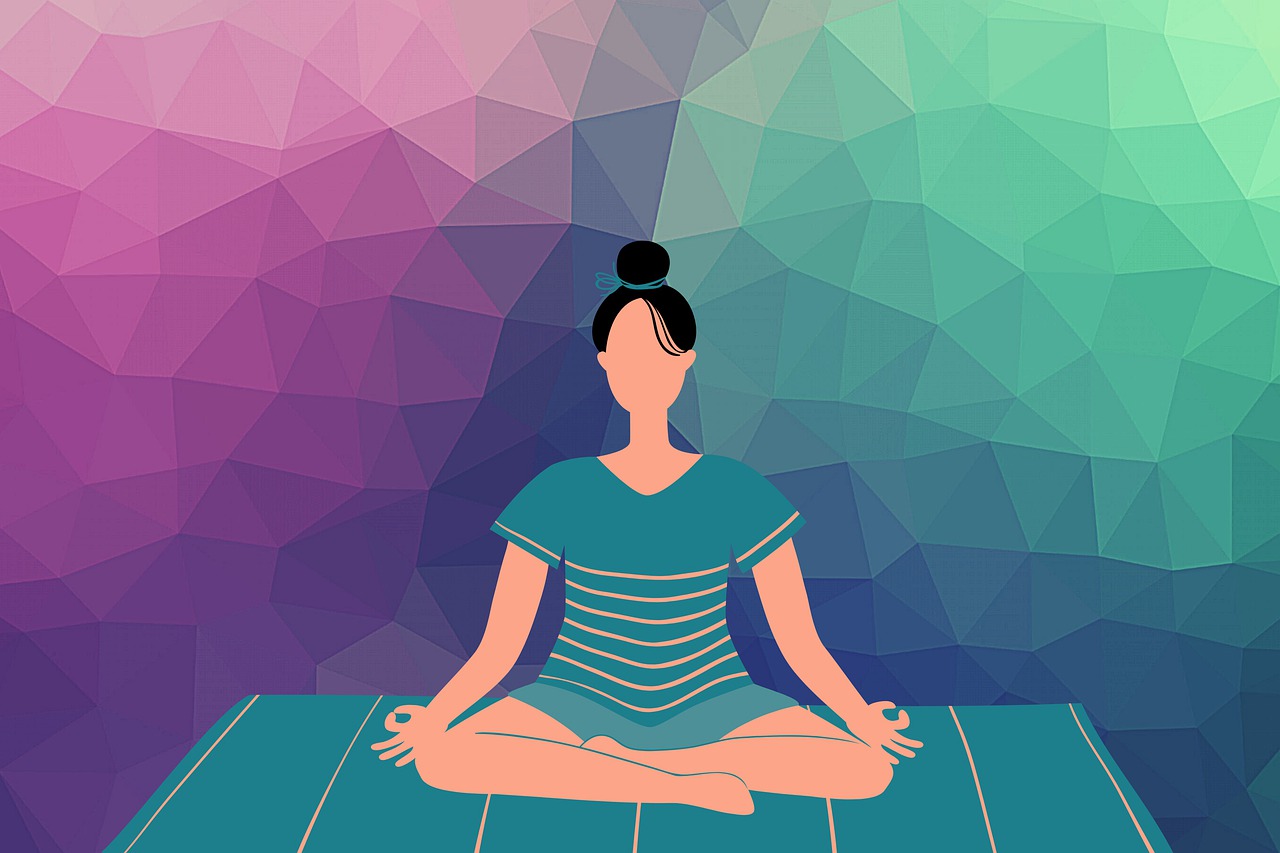
One effective technique to open and balance chakras is meditation, which can promote relaxation and balance throughout the body. By focusing on specific chakras during meditation, one can visualize healing energy flowing through them. For instance, using guided meditations that target the chakra system enhances awareness of these energy centers. Moreover, incorporating breathing exercises can deepen our meditation practice and alleviate stress. Other practices like yoga can promote both physical and emotional health while engaging the mind and body. Positions targeting specific chakras, such as poses that involve grounding or opening the heart, aid in realigning our energies and fostering resilience against stress. Furthermore, energy healing modalities, such as Reiki or sound therapy, can also be beneficial. These methods work on cleaning blocked energies and promoting a free flow in the chakra pathways. Research shows that people experience significant stress reduction after sessions of Reiki or energy work. Integrating these practices into our daily routine can contribute to long-term stress management and support personal growth. This emphasizes the importance of developing awareness of our energy centers.
Different chakras correlate with different emotional issues and stressors in our lives, making it vital to understand their individual functions. The sacral chakra, located in the lower abdomen, influences our emotions and relationships. Blockages in this area can lead to feelings of guilt or emotional instability, which may heighten stress levels. Addressing these feelings through practices aimed at strengthening the sacral chakra can be life-changing. Techniques like journaling or engaging in creative activities can help release negative emotions, promoting relaxation and overall balance. Keeping a chakra journal can be beneficial for tracking emotions over time, enabling individuals to observe patterns related to stress. By identifying the roots of emotional turmoil, we can take steps towards alleviating the factors that contribute to stress. The solar plexus chakra governs our sense of personal power and self-esteem. Stress can arise from feeling powerless, which is directly tied to this chakra. Working on personal empowerment through setting boundaries and self-affirming activities can alleviate stress related to self-doubt.
The Heart Chakra’s Role
The heart chakra is vital in connecting our emotional and physical well-being, impacting our response to stress. It represents love, compassion, and emotional healing. When this chakra is open and balanced, it allows us to establish healthy connections with others, creating a sense of belonging that is crucial for managing stress. However, when it’s blocked, we may feel isolated or unloved, which can amplify stress responses. Practicing self-love and compassion towards ourselves creates a solid foundation for emotional resilience. Engaging in practices like loving-kindness meditation can open the heart chakra and encourage compassion, both toward ourselves and others. Furthermore, physical activities such as cardiovascular exercises can encourage heart chakra stimulation and emotional release. Spending time in nature is another effective method for engaging the heart chakra. It helps clear our minds and allows us to strengthen our connection with the world, reducing our stress levels. Nurturing our relationships enhances our emotional support, mobilizing our resources during stressful times. Understanding and nurturing our heart chakra is therefore essential for those seeking emotional well-being.
The throat chakra plays a pivotal role in our ability to communicate, which is closely linked to our mental health and stress levels. Self-expression is vital in relieving stress, as holding back emotions can contribute to anxiety and tension. Thus, ensuring the throat chakra is open allows for free communication of feelings and needs. Engaging in vocal practices, like chanting or singing, can promote activation of the throat chakra. This also encourages a healthy release of emotions and stress. Journaling can serve as another powerful tool to express ourselves. Writing about our feelings not only relieves stress but also aids introspection moving toward emotional clarity. Engaging in honest communication with loved ones supports emotional well-being. This also fosters emotional connections that can buffer against the impacts of stress. Furthermore, practices like mindful speaking emphasize being present and aware during conversations, which contributes to stronger connections and reduced misunderstandings. Overall, nurturing the throat chakra can significantly impact how we manage stress and express ourselves in daily interactions.
Chakras and Physical Health
Physical health is inexorably connected with our chakras, influencing our ability to handle everyday stressors. The root chakra, for instance, governs our physical vitality and energy levels. When it is balanced, we experience grounding and stability, which are fundamental to coping with stress effectively. Activities like grounding exercises, including walking barefoot on natural surfaces or spending time outdoors, can enhance this connection. Additionally, diet and nutrition impact our chakra’s health. Certain foods, such as root vegetables, are believed to fortify the root chakra, providing necessary energy for daily responsibilities. Similarly, the sacral chakra responds well to water-based activities, as they align with its element. Hydration is vital for maintaining not just physical health but also emotional well-being. This highlights the importance of nourishing our body through a balanced diet to support our chakras. Regular exercise is also essential, as it enhances blood flow and energy circulation in the body. Finally, understanding how to align our physical health with our chakra system can elevate our stress management skills.
In conclusion, integrating chakra awareness into our daily routines can profoundly influence stress management techniques. Recognizing the distinct role of each chakra can empower individuals to adopt holistic approaches to enhance emotional and mental well-being. By practicing chakra meditation, yoga, and energy healing, we can promote balance across our energy centers. Engaging in self-reflection through journaling or creative expression can help clarify emotional responses and enhance stress relief. Remember to pay attention to physical health, such as nutrition and exercise, as they support our chakra system. Building supportive relationships and open communication channels foster resilience, enhancing our overall response to stress. While stress is an inevitable part of life, the methods presented here can equip us to cope effectively. As you explore the connection between chakras and stress reduction, remain patient and gentle with yourself. Transformations take time, but consistent effort can lead to healing and self-discovery. Incorporating these strategies into your lifestyle translates into long-term stress management and overall well-being. The journey to aligning with our chakras can prove rewarding and fulfilling, fostering a richer connection within ourselves.