
Water Conservation at Home: Tips for the Active and Environmentally Minded
Water conservation is an essential practice for everyone, considering the global water crisis. At home, implementing water-saving techniques contributes to the overall well-being of our environment. Start by checking for leaks in your plumbing, which can lead to significant water wastage if not addressed. Install water-efficient appliances, such as dishwashers and washing machines, that reduce consumption. Collect rainwater in barrels to use for your garden, which can save a lot of water during dry spells. Use mulch in your garden beds to retain moisture and minimize evaporation. Creating a water-saving mindset is crucial. Consider taking shorter showers and turning off the tap while brushing your teeth. Encourage family members to be mindful about their water use as well. Additionally, choose drought-resistant plants for landscaping. This approach not only conserves water but also minimizes maintenance efforts. Every drop counts; even small changes can lead to substantial water savings over time. Share these practices with neighbors to promote a community-wide movement towards sustainability. Together, we can make a more significant impact on water conservation and ensure a healthier planet for future generations.
Everyday Water Saving Practices
Adopting simple everyday practices can greatly contribute to water conservation at home. First, evaluate your water usage habits by monitoring consumption through your water bill. This will help you identify areas to improve. When washing dishes, fill a basin instead of letting the water run continuously. You can also save water while cooking by using just the right amount needed. Limit your use of the hose in your garden; instead, opt for a watering can. This method allows more control over the amount of water used. When it comes to laundry, only run full loads to maximize washing efficiency. If you find yourself buying bottled water, consider a reusable water bottle filled with filtered tap water instead. This not only conserves water but also reduces plastic waste significantly. Make it a family activity to discuss these practices regularly, fostering a culture of conservation at home. Encourage each member of your household to suggest new ideas for saving water. By creating a proactive community within your home, you will instill long-lasting habits that respect our precious water resources.
In addition to individual efforts, implementing smart technology can drastically enhance your water conservation efforts at home. Start by installing smart irrigation systems that adjust based on weather conditions and soil moisture. These systems minimize unnecessary watering, ensuring your plants receive the optimal amount of hydration. Consider using low-flow showerheads and faucet aerators, which can significantly reduce water flow without sacrificing performance. Furthermore, you might want to invest in dishwashers that have eco-friendly cycles designed specifically for water efficiency. Timer-based devices can also be beneficial, helping you to track your water usage in real-time. Even your toilets can be upgraded! Dual-flush toilets allow you to choose between a small flush for liquid waste and a larger flush for solids. This simple change can save gallons of water each day. Create a schedule to regularly check your home’s water appliances for efficiency and replace aging ones. By leveraging such technology, you can ensure that your home is at the forefront of water conservation efforts, balancing convenience and ecological responsibility seamlessly.
Creative Approaches to Landscape Watering
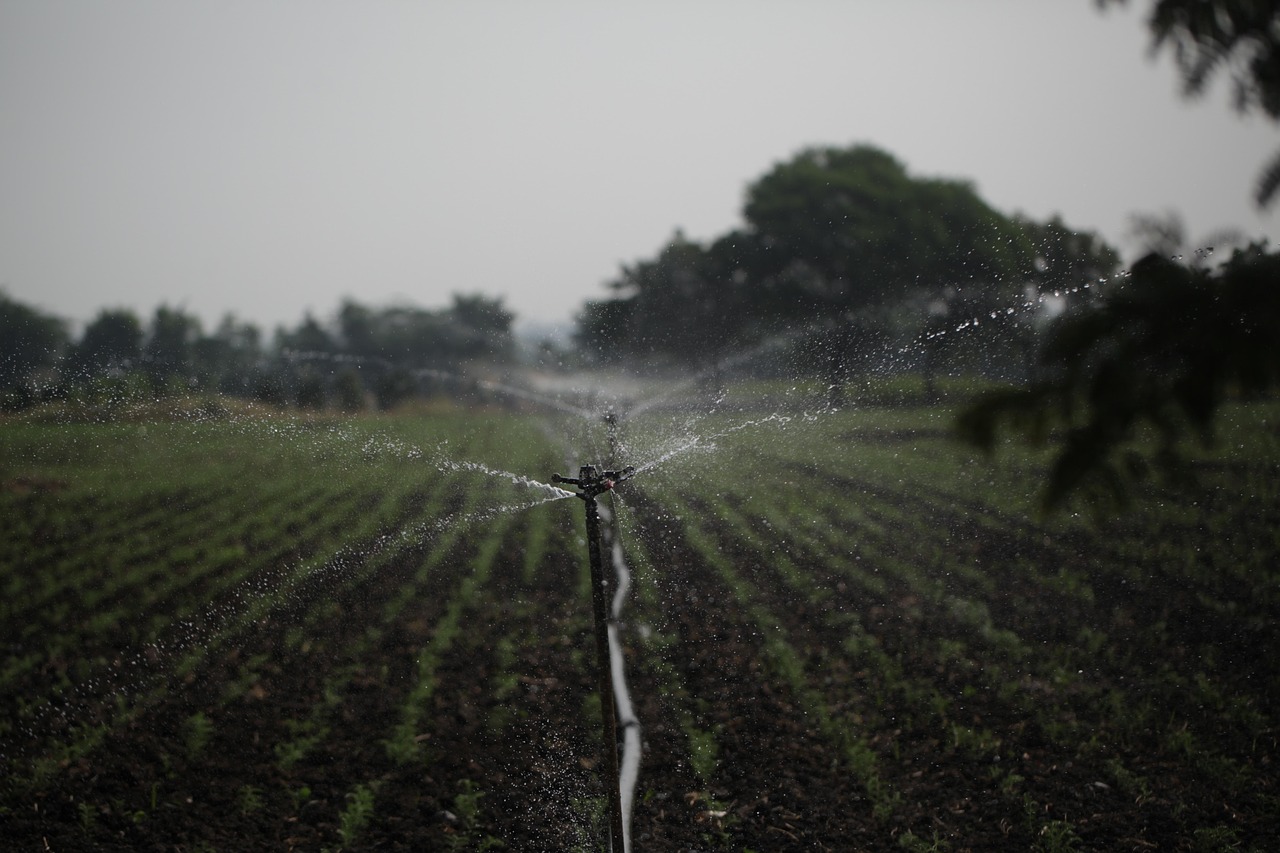
Another effective way to save water is by rethinking our landscaping practices. Traditional lawns often require excessive amounts of water, leading to significant waste. Instead, explore xeriscaping, which uses drought-resistant plants and minimal irrigation. This type of landscaping not only conserves water but also creates visually appealing outdoor spaces that require less maintenance. Plant native species that thrive in your local climate, as they require less water. Group plants with similar watering needs to streamline the irrigation process. You can also create designated watering zones in your garden, allowing you to target hydration where it’s most needed. Consider using drip irrigation systems, which apply water directly to the plant roots, reducing evaporation and runoff significantly. Incorporating gravel or stones around plants can help reduce moisture evaporation and suppress weeds. Remember to mulch generously, as it retains soil moisture while enriching the earth as it decomposes. Not only do these methods enhance the aesthetic of your landscape, but they also align with sustainable gardening practices, making your home a model of water conservation.
Implementing a water conservation mindset also extends to outdoor activities and maintenance. When washing your car at home, use a bucket and sponge instead of running the hose continuously. If possible, explore local car wash options that recycle their water. Your lawn care routine should adopt drought-tolerant practices; mow your lawn higher to promote deeper root growth, which enhances drought resistance. Aerate your lawn to allow water to penetrate deeper, and apply fertilizers during the rainy season to bolster growth naturally. For cleaning patios or driveways, sweep instead of hosing down, as this keeps your water usage minimal while preserving cleanliness. When it comes to pools, consider installing a pool cover to minimize evaporation and decrease the need for refilling. Educate your family on the importance of these practices; collectively reducing water waste develops a sense of responsibility. By prioritizing environmentally friendly outdoor activities, each member of your household can contribute to significant water conservation. The long-term benefits not only support your local environment but also help reduce your overall water bills.
Engaging in Water Awareness Programs
Engaging in local water awareness programs can supplement your home conservational efforts while actively contributing to broader community initiatives. Many municipalities offer classes or workshops focused on water conservation techniques. Participating in these programs enriches your understanding of water issues and shares effective practices within your community. Volunteer for water conservation projects in local parks or schools. Consider making a presentation about the importance of water-saving efforts in your community—educating others creates a ripple effect that extends beyond your home. Also, use social media platforms to promote your water conservation goals, sharing tips and techniques with family and friends. Collaborative challenges, such as tracking water usage for a month within a group, can foster a fun competitive element. Encourage your community leaders to promote programs that support local watersheds and conservation efforts. By integrating a social aspect into your water-saving initiatives, you enhance motivation and accountability. Networking with like-minded individuals fosters collaboration, sharing ideas and understanding challenges while working towards a common goal of preserving our water resources. Every action counts, and collective efforts amplify impact.
Finally, reflect upon your achievements in water conservation at home and celebrate your dedication to environmental stewardship. Carefully tracking your water usage can showcase the effectiveness of implemented practices. Set specific household goals for water reduction and evaluate successes regularly, as this promotes continued progress. Utilize smartphone applications designed to track water consumption, allowing real-time insights into usage trends. Write it down or discuss these milestones as a family. Commission constructive discussions around challenges faced during this journey; problem-solving together strengthens family bonds. Share your unique water conservation methods with neighbors to inspire collective participation within your community. Encourage families to join your efforts, creating friendly competitions that promote water-saving habits. Highlight local success stories, motivating others to recognize the importance of conservation in their daily lives. Make water conservation a routine topic in family discussions or community gatherings, raising awareness about this critical issue. Ultimately, remember that your efforts contribute positively to the environment, ensuring water sustainability for yourself and generations to come. Every positive action matters, making the environment healthier and more sustainable in the long run. Together, we can make a difference.
Water conservation is an essential practice for everyone, considering the global water crisis. At home, implementing water-saving techniques contributes to the overall well-being of our environment. Start by checking for leaks in your plumbing, which can lead to significant water wastage if not addressed. Install water-efficient appliances, such as dishwashers and washing machines, that reduce consumption. Collect rainwater in barrels to use for your garden, which can save a lot of water during dry spells. Use mulch in your garden beds to retain moisture and minimize evaporation. Creating a water-saving mindset is crucial. Consider taking shorter showers and turning off the tap while brushing your teeth. Encourage family members to be mindful about their water use as well. Additionally, choose drought-resistant plants for landscaping. This approach not only conserves water but also minimizes maintenance efforts. Every drop counts; even small changes can lead to substantial water savings over time. Share these practices with neighbors to promote a community-wide movement towards sustainability. Together, we can make a more significant impact on water conservation and ensure a healthier planet for future generations.