
Training for Strength and Endurance Using Silat Techniques
Silat, a traditional martial art from Southeast Asia, is known for its fluid movements and effective self-defense techniques. Practicing Silat provides a workout that enhances both strength and endurance, making it an exceptional training method. The discipline involves various techniques that demand agility and power, combining strikes, joint locks, and grappling. Engaging in Silat training encourages full-body workouts that promote muscle growth, cardiovascular health, and improved flexibility. Practitioners execute intricate movements that not only strengthen the core but also enhance muscular endurance over time. Through consistent practice, individuals experience increased stamina levels, enabling them to perform longer and more efficiently. Silat training also involves techniques that build mental resilience, which is essential for overcoming physical challenges faced during workouts. Furthermore, the art of Silat incorporates mindfulness and concentration, improving practitioners’ focus. Participating in group training sessions fosters a supportive community, motivating participants to reach their fitness goals. By immersing oneself in Silat, individuals learn to cultivate both physical and mental strength, making it a holistic approach to fitness and self-defense. Consequently, learners experience significant benefits, leading to improved overall health and well-being.
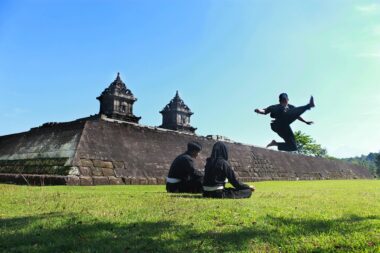
Strength building in Silat goes beyond traditional lifting weights. Utilizing one’s body weight through punches, kicks, and stances induces muscular engagement essential for developing strength. For instance, executing a powerful roundhouse kick requires immense leg strength and stability, while maintaining a proper stance enhances lower body conditioning. Silat drills frequently involve repetitive movements that stimulate muscle fibers to adapt and grow stronger. Additionally, engaging in partner exercises allows practitioners to practice applied strength; opponents’ resistance challenges the muscles effectively. Silat techniques also promote functional strength, preparing individuals for real-life self-defense situations. The various postures within Silat, such as horse stance or bow stance, exemplify muscle endurance and overall stability. Moreover, balancing on one leg during strikes enhances core muscular endurance and improves proprioception. Practitioners often train in diverse environments, from urban settings to outdoor spaces, increasing their adaptability and physical control. This kind of versatility in training scenarios augments overall physical strength and endurance. Consequently, Silat practitioners develop robust muscles while promoting long-term joint integrity and mobility, further enhancing their capacity for sustained effort in both martial arts practice and daily functions.
The Role of Technique in Building Endurance
Technique plays a crucial role in Silat training where strength and endurance are pivotal. Mastering techniques requires not only physical ability but also proper breathing strategies, maximizing output without fatigue. Each technique in Silat, whether striking or grappling, demands precision, which integrates strength in every move. Learning to execute techniques fluidly reduces energy waste, enhancing endurance during practice. Ultimately, effective technique training allows practitioners to engage longer while minimizing exhaustion. By focusing on body mechanics, Silat practitioners learn to utilize their strength differently; they discover how to transfer energy efficiently through their movements. Practicing forms or ‘pencak’ not only promotes strength but simultaneously develops cardiovascular endurance through fluidity and repetitive motion. This contributes to a practitioner’s overall fitness, benefiting their artistic expression within the sport. Moreover, drills involving precision of strikes and responses challenge the endurance limit, urging practitioners to push themselves. Adopting a mindset of constant improvement ensures that every session contributes to building resilience. Thus, through consistent practice of techniques and adjustments based on feedback, individuals can progressively elevate their levels of physical fitness.
Incorporating endurance-building exercises alongside Silat techniques enhances overall training efficacy. For instance, aerobic activities such as running or cycling complement Silat by improving cardiovascular fitness that is crucial for martial arts. The combination of endurance workouts and Silat techniques creates an optimal routine, where practitioners can sustain their performance longer. Adding high-intensity interval training or plyometric exercises to practice sessions challenges practitioners, bolstering agility and explosive power. These additional workouts are designed to engage large muscle groups and promote stamina. Pairing traditional Silat training with cross-training activities allows muscles to adapt to various types of stressors, which is essential for building endurance. Yoga and flexibility workouts further enhance recovery, ensuring practitioners remain agile and fit. These diversified activities reduce the risk of injuries while allowing for complete conditioning of the body. Adequate nutrition and hydration are critical elements in this training as well. Feeding the body with essential nutrients bolsters energy levels, fueling both strength training and endurance workouts. In conclusion, a comprehensive training approach involving Silat techniques and complementary exercises allows for maximum physical performance.
Building Community through Silat
Silat fosters a sense of belonging and community among practitioners. Training in a group environment enhances motivation and accountability, crucial for sustained practice. The communal aspects of Silat create an atmosphere of shared learning, complimenting individual training journeys. The interaction and camaraderie built during training sessions inspire personal growth and perseverance. Practitioners learn from each other through shared experiences, helping them refine their techniques and strategies. The combined energy of group sessions often leads to improved performance levels. As students advance through belt systems, collective training sessions facilitate the learning of more complex techniques. Supporting each other through challenges strengthens bonds within groups, enriching the Silat experience. Event participation, such as competitions or exhibitions, further solidifies community ties, allowing practitioners to showcase skills developed through training. The journey in Silat extends beyond techniques; it fosters friendships, mentorship, and personal connections. Thus, training not only builds strength and endurance but cultivates a supportive network that enhances the overall practice. Consequently, the friendships forged through Silat training become an integral part of the art, contributing greatly to practitioners’ motivations and fostering a love for their discipline.
Regular assessment of progress in strength and endurance is key to achieving goals. Setting clear and measurable targets enhances motivation and ensures a continuous trajectory toward improvement. Practitioners should periodically document their training activities to analyze progress effectively. Tracking improvements in strength can happen through assessing lifting capabilities or the execution of techniques with more ease and precision. Incorporating fitness tests designed to evaluate endurance levels allows practitioners to witness their progress firsthand. Regular evaluations in group training can serve as motivational benchmarks, encouraging healthy competition. Engaging in discussions during these evaluations promotes a supportive learning environment where individuals can share insights and strategies. This reflection upon progress fosters a growth mindset within the community, further motivating each practitioner. Moreover, celebrating small victories provides affirmation and boosts confidence. Silat testing events allow for acknowledgment of efforts and advancements, prompting further engagement with the discipline. These assessments create a conducive atmosphere for reinforcing individual and group mechanics, highlighting areas needing further development. Consequently, establishing a routine that combines practice with assessments propels progress while maintaining enthusiasm toward mastering the art.
Conclusion: Embracing the Journey with Silat
In conclusion, training using Silat techniques enhances strength and endurance significantly. The unique methods within Silat empower practitioners to achieve superior fitness levels through a dynamic combination of movements. Focusing on technique enhances efficiency while simultaneously developing physical prowess and endurance. Integrating additional training methods strengthens this process, as does the support derived from active participation within a community. The relationships forged during Silat training amplify motivation, encouraging participants to embrace their personal and collective journeys. Whether one is a novice or experienced practitioner, the art of Silat offers an enriching path toward holistic fitness. As individuals strive for their goals, they will inevitably discover their strengths, ultimately leading to personal transformation beyond physical fitness. The discipline of Silat transcends martial arts; it encompasses self-improvement, mental resilience, and community integration. Whether training in a dojo or enjoying outdoor practice, Silat fosters adaptability, creativity, and perseverance. Finally, the commitment to consistent practice ensures individuals reinforce their martial arts journey, continuously evolving in both body and mind. Thus, embracing the philosophy and techniques of Silat leads to profound growth, accessibility of knowledge, and improvement beyond just martial arts skills.
Exploring various dimensions of training through Silat can undeniably lead to rewarding experiences. Engaging in diverse techniques opens the path to discovering physical potential while strengthening mental resolve.