
The Link Between Breathing Posture and Sleep Apnea Symptoms
Recognizing how breathing posture influences sleep apnea symptoms is increasingly important. Sleep apnea, a disorder characterized by interruptions in breathing during sleep, can severely affect overall health. Poor breathing mechanics can exacerbate these symptoms, making proper breathing techniques vital for management. Posture during sleep greatly impacts breathing patterns and airway stability. A proper sleeping position can help maintain open airways, reducing obstruction. Many individuals suffering from sleep apnea often exhibit poor posture, which may contribute to their symptoms. Studies show that an aligned spine supports optimal breathing, enhancing air flow and oxygen intake during sleep. Another factor is that lying flat can compress the airway. Positions that encourage a more neutral spine can be effective. Educating patients on ergonomic sleeping positions can be beneficial for sleep quality. Using specialized pillows or mattresses promotes spine alignment, which indirectly supports better breathing. Moreover, these techniques can reduce the severity of apnea episodes. In this way, by improving posture and breathing techniques, individuals may experience significant improvements. Understanding and implementing these adjustments can be a key strategy in managing sleep apnea effectively, ultimately improving overall wellbeing.
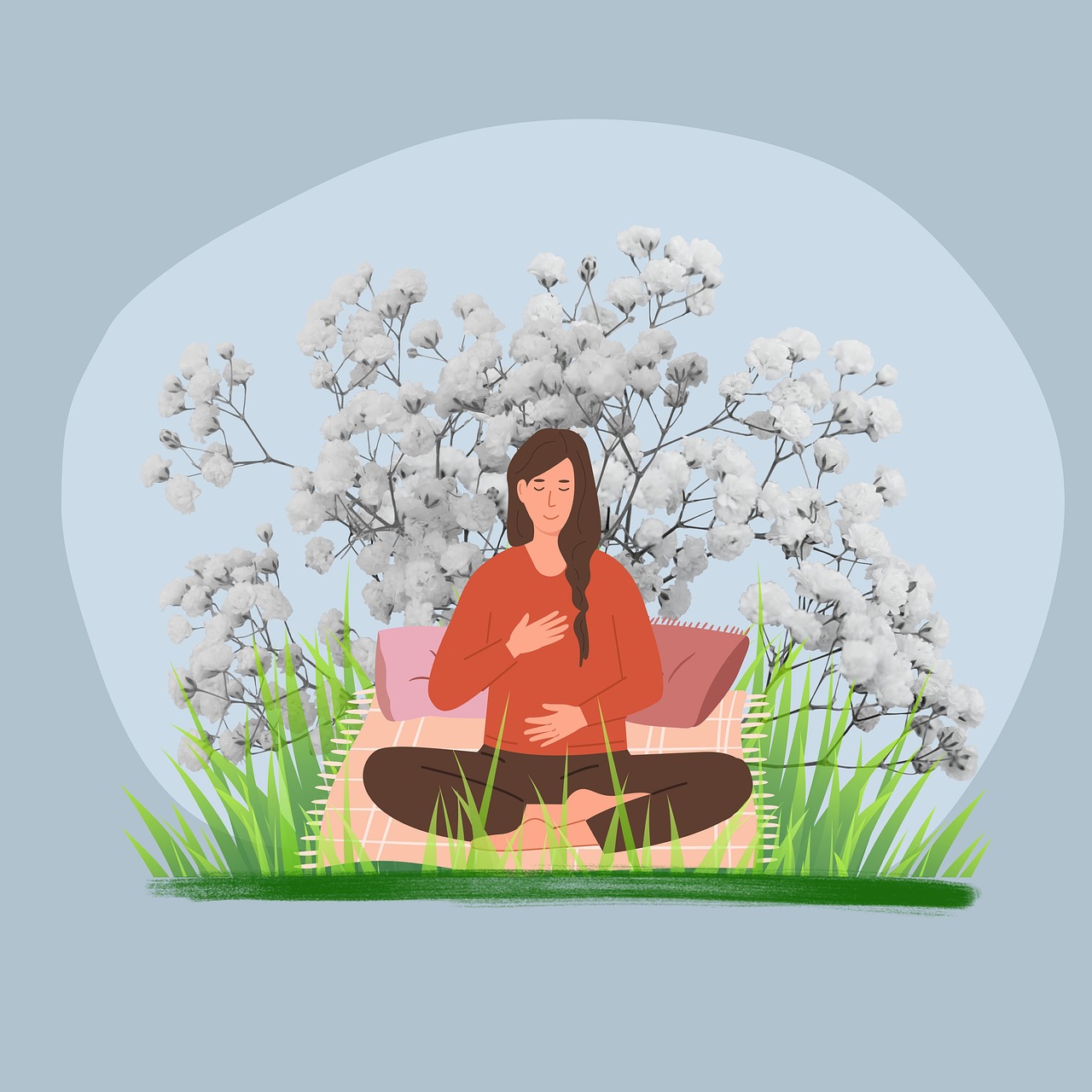
Effective management of sleep apnea involves utilizing various breathing techniques. Awareness of breath control can play a crucial role in minimizing apnea episodes. Simple breathing exercises can enhance lung capacity and efficiency, thus allowing for better sleep quality. Diaphragmatic breathing, which focuses on deep belly breathing, reduces the likelihood of airway obstruction during sleep. Additionally, practicing these techniques during the day can help reinforce patterns that positively influence nighttime breathing. Individuals can learn to identify tension held in the body that may later contribute to sleep disturbances. Incorporating relaxation methods such as yoga or meditation can also support improved breathing and reduce anxiety, which often aggravates sleep apnea. Using biofeedback techniques may help individuals monitor and adjust their breathing patterns more effectively. Devices or apps can provide real-time feedback, enabling users to practice optimal posture and breathing. While these techniques are beneficial, maintaining regular consultations with healthcare professionals is essential. They can provide insights into personalized strategies tailored to each individual’s specific needs. By fostering a holistic approach combining proper posture with effective breathing methods, individuals can pave the way toward significantly decreased sleep apnea symptoms, enhancing overall quality of life.
The Role of Posture in Breathing and Sleep
Posture not only affects breathing mechanics; it also directly influences sleep quality. When individuals sleep with poor posture, they may inadvertently restrict airflow and exacerbate apnea symptoms. The spine’s alignment is key to ensuring that the airways remain open and unobstructed, minimizing disruptions during sleep. Furthermore, studies illustrate how asymmetric or slouched positions can lead to increased discomfort, thereby compounding issues tied to sleep apnea. It is essential for individuals to experiment with different sleeping positions to determine which ones best support their breathing. Side sleeping has been recommended as it keeps airways clearer, reducing the likelihood of obstructive episodes. Back sleeping, while commonly favored, can lead to tongue and throat tissues collapsing against the airway, triggering apnea. Investing in ergonomic sleep aids can aid in achieving better posture. Specially designed pillows can offer neck support, aligning the spine and promoting effective breathing. Beyond assistance during sleep, spatial awareness throughout the day fosters natural breathing patterns, enabling greater efficiency during nighttime hours. Therefore, integrating awareness of posture into daily routines can play a crucial role in managing sleep apnea symptoms effectively.
One practical strategy is to adopt breathing exercises that promote better posture. Techniques such as the ‘4-7-8′ breathing method or pursed-lip breathing can foster greater lung capacity and control. By focusing on slow, deliberate breaths, individuals can enhance their diaphragm use and minimize reliance on shallow chest breaths. Strengthening the diaphragm reduces the risk of airway collapse during sleep, which is crucial for those managing sleep apnea. Additionally, maintaining a daily exercise routine can contribute to better overall respiratory function. Activities such as swimming or yoga enhance lung endurance while encouraging proper breath control. These exercises and methods can significantly benefit sleep apnea management, improving individuals’ overall health and wellbeing. Beyond physical benefits, these techniques can foster awareness of the body’s need for optimal oxygen intake and stable breathing patterns. This awareness can translate into more thoughtful and intentional practices around sleep and rest. As individuals become more attuned to their breathing patterns, they may find themselves more equipped to make lifestyle adjustments. Integrating breathing practice into daily routines supports long-term management and mitigation of sleep apnea symptoms effectively.
Putting Theory into Practice
Implementing practical strategies for better breathing posture can lead to significant improvements in sleep apnea management. One effective approach is to establish a consistent bedtime routine that focuses on relaxation techniques. Prior to sleep, engaging in stretching exercises may help release tension held within the body that interferes with optimal breathing. Another valuable technique is mindfulness meditation; this encourages individuals to observe their breathing patterns without judgment, helping establish awareness of how posture impacts breathing. Breathing-focused yoga classes can also provide additional support, enabling practitioners to connect with their bodies and understand their breath. Furthermore, integrating technology such as sleep tracking devices can lend insights into personal sleep patterns and breathing quality. This can help tailor strategies to maintain better posture while sleeping. Alongside these practices, seeking medical advice regarding Continuous Positive Airway Pressure (CPAP) therapy can assist those with more severe symptoms. CPAP machines help keep airways open during sleep and can be complemented by improved posture. Combining these strategies empowers individuals to adopt a proactive stance toward managing their sleep apnea, effectively bridging the connection between posture and breathing for better rest.
Additionally, promoting awareness of environmental factors can help individuals optimize their breathing posture during sleep. Elements such as noise, light, and room temperature can significantly affect sleep quality. Creating a calm and cool sleep environment encourages relaxation, supporting better postural alignment and effective breathing. Essential oils and aromatherapy may also serve as effective tools for creating a peaceful atmosphere that promotes restful sleep. Likewise, it is beneficial to eliminate potential allergens or irritants in the sleeping area, which could disturb breathing patterns. Regular cleaning routines can ensure that the sleeping environment remains conducive to restorative rest. Furthermore, aligning the bed frame and mattress slope according to individual needs can contribute to maintaining an optimal posture. Over time, these adjustments help create a personalized environment that fosters better breathing techniques. Consequently, achieving optimal sleep positions coupled with a healthy lifestyle can markedly improve sleep apnea management outcomes. In summary, understanding the interconnectivity between breathing posture and the sleep environment can provide valuable insights for those seeking effective ways to manage symptoms successfully.
Long-Term Benefits of Improved Breathing Techniques
The long-term benefits of implementing improved breathing techniques and posture cannot be overstated. A consistent practice significantly contributes to enhancing overall wellbeing and sleep quality for individuals with sleep apnea. Studies indicate that individuals who adopt proper breathing strategies often report decreased daytime fatigue, increased focus, and improved mood. Furthermore, achieving deeper sleep fosters better cognitive function and physical recovery, essential for maintaining a healthy lifestyle. As patients become more aware of their breathing mechanics, they gain insight into the role posture plays in sleep quality. Ultimately, adopting these techniques leads to a more profound understanding of oneself, fostering a sense of empowerment over one’s health. In conclusion, integrating conscious breathing practices into daily routines supports not just sleep apnea management but overall well-being, enhancing quality of life. Educating healthcare professionals on the importance of breathing posture can aid in fostering better patient outcomes. This holistic approach gets to the root of the issue, focusing on systemic improvements in breathing mechanics. By prioritizing proper posture and effective breathing techniques, individuals are on a path toward healthier sleep and enhanced quality of life, demonstrating the undeniable link between these two vital aspects.
In summary, understanding the connection between breathing posture and sleep apnea symptoms is vital for effective management. By adopting proper techniques and focusing on optimal positioning, individuals can significantly alleviate their symptoms. A comprehensive approach emphasizing awareness of posture, regular practice of breathing techniques, and optimization of the sleeping environment can dramatically enhance sleep quality and overall health. Moreover, exploring the support of healthcare professionals while implementing these strategies can solidify the foundation for managing sleep apnea effectively. The art of mindful breathing represents a journey towards better health, where improved sleep leads to a more fulfilled life. Through conscious efforts to better align one’s posture and enhance breathing techniques, individuals can transform their relationship with sleep, leading not only to improved symptoms but also to richer daily experiences. As research and understanding evolve, the connection between posture, breathing, and overall wellbeing will continue to strengthen, paving the way for innovative approaches in managing sleep disorders. Adopting this perspective creates a roadmap for those affected by sleep apnea to discover the tools needed for empowerment, fulfilling their journey toward rest and rejuvenation. Rising above challenges and embracing these strategies inspire positive change.