
Top 10 Injury Prevention Tips for Triathletes
In the competitive world of triathlons, injury prevention becomes paramount. As you engage in swimming, cycling, and running, the risk of injury increases significantly. A crucial first step toward preventing injuries is ensuring proper warm-up and cool-down procedures at the beginning and end of your workouts. Dynamic stretches before training can enhance blood flow and flexibility, while static stretching afterwards can help alleviate tension in the muscles. Additionally, incorporating strength training into your weekly regime can fortify muscles and improve your overall performance. Consider using activities like resistance bands, weightlifting, or bodyweight exercises. Furthermore, listen to your body and heed any signs of fatigue or discomfort. Ignoring these signals can lead to more severe injuries. Gradually increasing your mileage and intensity is also essential. Avoid jumping into higher distances or pace immediately. Finally, maintain regular consultations with a sports physician or a physiotherapist. They can provide personalized advice based on your unique physical condition and training regimen. Following these tips diligently can keep you injury-free and part of the race for years.
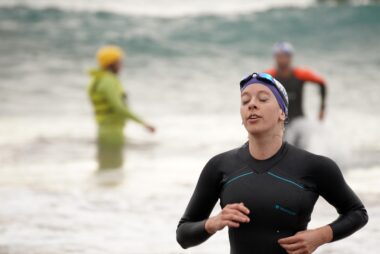
The right gear plays a vital role in injury prevention. Ensure that your running shoes are well-fitted and appropriate for your foot type. Investing in a good pair can make a significant difference in comfort and support. Replace shoes after approximately 300 to 500 miles to maintain their cushioning properties. Additionally, the importance of cycling gear cannot be overlooked, especially regarding bike fit. A poorly adjusted bike can lead to back, neck, and knee injuries. Regularly checking your bike’s adjustments ensures that you are riding in a comfortable and injury-free position. Your swim gear is also critical; a properly fitting wetsuit can significantly reduce drag and improve your performance. Hydration is an equally important factor; dehydration can lead to muscle cramps and injuries. As a triathlete, plan your hydration strategy to replenish fluids lost during training. Incorporating electrolyte-rich drinks can also be beneficial during longer sessions. Lastly, pay attention to your nutrition plan. Consuming a balanced diet rich in proteins, carbs, and fats will support recovery and muscle repair.
Developing a Balanced Training Schedule
A well-structured training schedule is crucial for triathlon success and injury prevention. It should include a mix of swimming, cycling, and running workouts, allowing for adequate recovery time between sessions. Overtraining can often lead to injuries, where your body doesn’t get enough time to heal. Scheduling rest days is imperative; they allow your body to recover and rebuild. Utilize cross-training activities to maintain fitness without subjecting the same muscle groups to stress. Activities like yoga or pilates can enhance flexibility while providing a mental break. Monitoring workout volume and intensity over time can help identify patterns in which injuries frequently occur. Tracking your progress through a journal or app can facilitate these observations. Be flexible with your training plan; if you’re feeling particularly fatigued, consider reducing the intensity or duration of your workout. Choosing varied terrain can also reduce injury risk, as constantly running on the same surface can lead to repetitive stress injuries. Ensure that your training sessions are not just physically focused but also include a mental aspect which fosters resilience and prepares you for race-day pressures.
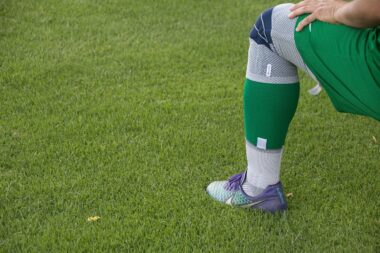
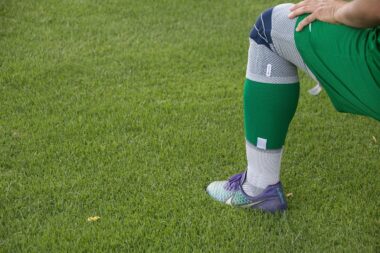
Integration of recovery techniques is essential too. Recovery techniques such as foam rolling, massages, and using compression garments can significantly expedite recovery between training sessions. Foam rolling relieves muscle tension, improves flexibility, and assists in myofascial release; consider implementing this technique post-workout. Similarly, regular professional massages can greatly aid in maintaining muscle health and preventing injuries. Compression garments help to reduce swelling and muscle soreness, particularly useful after intensive workouts. Furthermore, sleep should not be underestimated; quality sleep allows muscles to repair and grow. Aim for seven to nine hours of uninterrupted sleep each night to maximize recovery. Utilizing recovery strategies post-training helps reduce muscle soreness and improves your overall performance. Additionally, consider using cold therapy, such as ice baths or contrast baths, to manage inflammation. Gradual reintroduction into training after an injury is crucial. Ensure that you don’t rush through rehabilitation, as improper recovery can lead to another injury. Overall, a strategic blend of recovery techniques will help maximize your training efforts and keep injuries at bay.
Importance of Flexibility and Mobility Work
Integrating flexibility and mobility workouts is essential for triathletes as they directly impact performance and injury prevention. Strong muscles can pull on ligaments and tendons if flexibility is neglected, leading to common injuries such as strains or sprains. Introducing yoga into your training regime can enhance flexibility, balance, and overall core stability. Additionally, specific dynamic mobility drills can be very effective pre-workout to prepare your body for high movement activity. Regularly incorporating hip-opening exercises, shoulder stretches, and lower back mobility routines can significantly enhance your range of motion and help stave off injuries. You may also consider joining specific flexibility classes tailored for athletes. Additionally, mobility work enables better technique in swimming, biking, and running, directly translating into improved performance. Conditioning your body to move through a greater range will enhance efficiency, making it easier to maintain endurance over long distances. Furthermore, maintaining a well-balanced training regime focused on both strength and flexibility alleviates muscle imbalances found among triathletes. This balanced approach fosters a healthier body, enabling you to perform more effectively and with less risk of injury.
Education about common injuries is vital as well. Understanding the specific injuries associated with triathlon training, such as runner’s knee, Achilles tendonitis, and swimmer’s shoulder, can significantly influence prevention strategies. Knowing the signs and symptoms of these injuries limits the duration they can affect your training. For example, recognizing early signs of runner’s knee—such as discomfort around the kneecap—can encourage timely intervention and treatment. Seeking immediate professional help if symptoms persist will prevent the injury from worsening. Engaging in educational workshops or reading books about triathlon training, injury recovery, and anatomy can empower athletes with knowledge. Furthermore, setting reasonable job expectations assists in maintaining motivation while enjoying the sport. Using an approach that prioritizes enjoyment and gradual progression enhances the likelihood of long-term participation in triathlons. Engaging with fellow athletes and sharing experiences gives a supportive network reinforcing the importance of injury prevention. Ultimately, focusing on education around injuries will keep you proactive and prepared to tackle the triathlon challenges ahead without sidelining you.
Creating a Supportive Training Environment
The final top tip involves fostering a supportive training environment. Surrounding yourself with like-minded athletes can provide motivation and encouragement, enhancing your training experience. Joining a local triathlon club or finding a training partner builds camaraderie and reinforces consistency. Sharing your goals with others can help maintain accountability, ultimately decreasing the likelihood of injury from erratic training schedules. Additionally, training with others can introduce you to new techniques and training methods that may lead to better performance. Involvement within a community can help keep your spirits high during tough training phases. It’s also helpful to organize social activities that focus on your shared interest in triathlons. Consider setting up regular swim, bike, or run sessions to enhance skills and knowledge. Creating a supportive atmosphere validates the challenges and triumphs experienced along the way. Lastly, it allows for shared experiences, discussions about injury prevention strategies, and personal victories related to training. Fostering a collaborative spirit deeply enriches your journey, as it cultivates a balanced approach to triathlon training and the significant importance of injury prevention.
Regularly assessing your goals can keep your training fresh and intentional. Revisit and adjust your objectives as needed while keeping injury prevention at the forefront.