
Pilates and Fascia Health: Enhancing Flexibility and Alignment
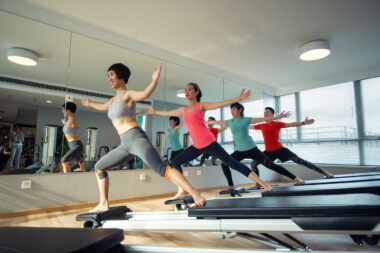
When we think of Pilates, it’s important to understand its connection to fascia health. Fascia is a connective tissue that surrounds muscles, bones, and organs. Pilates exercises not only strengthen core muscles but also play a significant role in maintaining healthy fascia. By regularly practicing Pilates, individuals can help ensure that their fascia remains pliable and free from restrictions. This increased pliability contributes to greater flexibility and improved body alignment. With a focus on mindful movement, Pilates encourages optimal mechanics within the body. Understanding this intricate relationship helps practitioners appreciate the holistic effects of Pilates on their physical health.
Fascia can become restricted due to various factors such as stress, injury, and inactivity. When fascia becomes tight or adheres to other tissues, it can hinder movement and contribute to discomfort. Pilates offers a solution for these fascial restrictions. By incorporating stretching and controlled movements, Pilates encourages the restoration of fascial integrity. As practitioners engage in exercises that target specific muscle groups and promote joint mobility, the quality of the fascia improves. This makes Pilates an excellent choice for those looking to enhance flexibility while aligning their body structurally. Prioritizing fascia health ultimately supports overall well-being through movement.
Pilates emphasizes precise movement patterns, enabling an individual to discover their own body dynamics. When performed with intention, these movements enhance proprioception and body awareness. This heightened awareness helps practitioners recognize areas where fascia may be restricted or tight. As participants maintain focus on form and alignment, they become more aware of their posture and movement habits. Such consciousness empowers them to make necessary adjustments to prevent chronic issues or injuries. Improved alignment is fundamental within the context of Pilates, ensuring each exercise maximizes benefits while engaging the fascia effectively. Awareness brings about transformation and encourages proactive care of the body.
The Role of Breathing
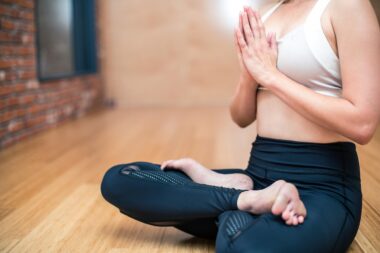
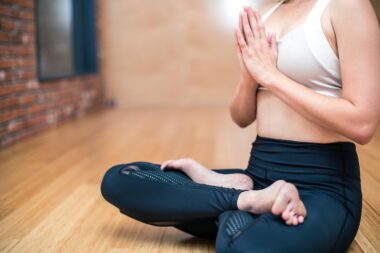
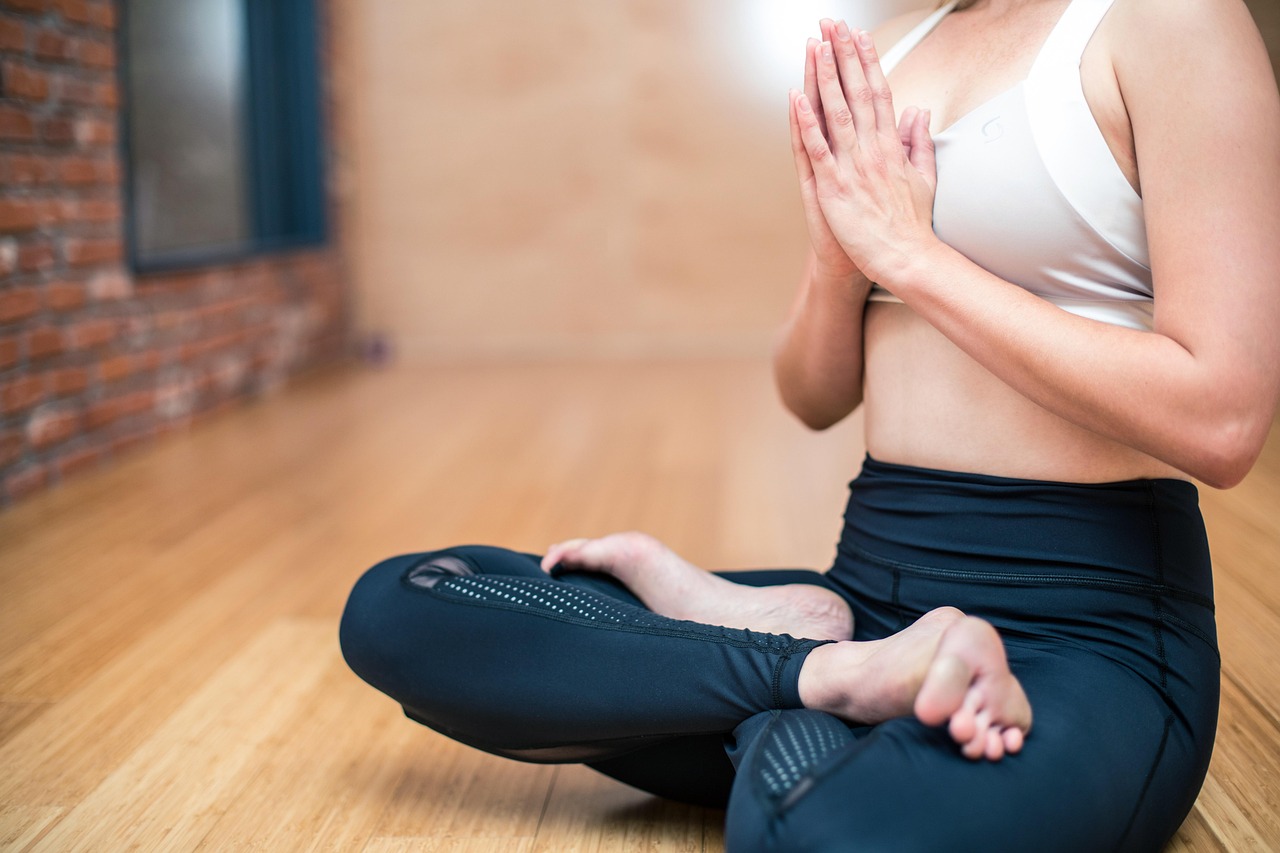
Integral to Pilates is the principle of conscious breathing, which plays a crucial part in fascia health. Deep breathing encourages oxygen flow throughout the body, which is vital for tissue health, including fascia. Moreover, breath support enhances core activation, allowing muscles to work in harmony. As practitioners coordinate breathing with movement, they facilitate a deeper engagement of the diaphragm and intercostal muscles. This combination not only aids in creating stability but also assists in releasing tension throughout the fascial network. Hence, effective breathing techniques within Pilates contribute significantly to improved flexibility and alignment.
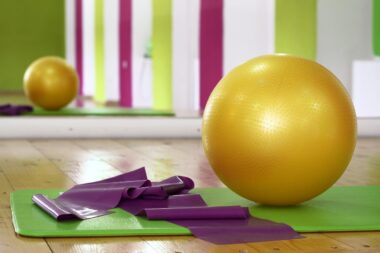
The incorporation of props in Pilates, such as foam rollers and resistance bands, provides additional tools to enhance fascial health. Foam rollers, for instance, can be used to perform self-myofascial release, targeting tight areas within the fascia. By rolling out knots and adhesions, individuals can alleviate stiffness and improve overall mobility. Resistance bands facilitate dynamic movements that engage various muscles while simultaneously promoting fascial elasticity. The assistance or resistance provided by these props creates a fuller range of motion, nurturing not only muscular strength but also the health of the fascia throughout the body. These tools enhance the overall practice.
Hydration is another essential aspect of maintaining fascia health, which should not be overlooked. Adequate water intake ensures that fascia remains hydrated and resilient. Dehydrated fascia can become stiff, restricting movement and causing discomfort. Pilates practitioners should consider their hydration levels both before and after their practice sessions. Drinking water facilitates the necessary regeneration of tissues and plays a vital role in connective tissue health. Therefore, to amplify the benefits derived from Pilates, staying well-hydrated will support both flexibility and alignment as key elements of body awareness and vitality.
Conclusion
Integrating Pilates into a regular fitness routine can profoundly influence fascial health, enhancing flexibility and alignment. As this form of exercise turns the mind’s focus to the very connections of the body, one fosters a deeper relationship with the muscles and fascia alike. The benefits of balanced movement, awareness, and structured exercises work synergistically to promote not only physical strength but also agility. Consequently, those engaged in Pilates discover paths toward improved body harmony and wellness. Embracing Pilates becomes a journey toward recognizing and nurturing fascia health as integral to a fulfilling and active lifestyle.
In the grand scheme of wellness and movement, Pilates offers a systematic approach to fascial care. The commitment to enhancing flexibility and alignment through intentional practice yields lasting benefits. As more individuals explore the rich dimensions of Pilates, it becomes evident that understanding fascia can transform physical fitness journeys. This knowledge fosters an environment where practitioners not only enjoy healthier movements but also appreciate the intricate connections of their bodies. Pilates serves as a powerful tool that encourages self-discovery and aligns physical capabilities with an improved sense of overall health.