
Plant-Based Post-Workout Nutrition for Muscle Gain
Post-workout nutrition is essential for anyone engaged in muscle building, especially those following a plant-based diet. After intense exercise, your body requires immediate nourishment to support recovery and stimulate muscle growth. Plant-based foods offer a plethora of nutrients essential for both. They are packed with proteins, healthy fats, vitamins, and minerals that facilitate muscle repair and growth. A post-workout meal should ideally include a good ratio of protein to carbohydrates, making it critical to choose the right sources. Popular choices like black beans, lentils, and quinoa provide ample protein and essential nutrients. Consider adding a vegetable-rich smoothie that includes spinach and fruits such as bananas or berries for a quick recovery meal. This combination serves to refill glycogen stores depleted during your workout while delivering necessary amino acids to aid in muscle repair. Don’t underestimate the importance of hydration either. Water plays a critical role post-exercise, especially for those consuming high fiber plant foods. Incorporating a variety of these foods will not only help in muscle gain but also contribute to overall health and recovery.
Incorporating adequate protein post-workout is paramount for muscle recovery. For plant-based eaters, achieving this protein goal requires careful planning and deliberate choices. One excellent method to ensure sufficient protein intake is through the use of protein powders derived from pea, hemp, or brown rice. These powders can be easily added to smoothies or oatmeal, providing a convenient protein source that complements a post-workout meal. Educational resources mentioning the essential amino acids found in those proteins can provide added clarity on their importance. Working in greater protein portions from whole foods like nuts, seeds, and tofu can further enhance recovery efforts. By combining sources, you improve your chances of boosting muscle synthesis. You should aim for a meal that features about 20-25 grams of protein within thirty minutes post-exercise. This commitment is crucial for individuals engaged in rigorous training, as it replenishes what is lost and aids in muscle recovery. While plant-based athletes must monitor their intake more closely, incorporating a variety of protein sources simplifies the process. With the right determination, building muscle on a plant-based diet is entirely achievable.
Optimal Timing for Nutrition
Timing your post-workout meal effectively can significantly enhance muscle recovery and growth. Ideally, you should eat within 30 minutes to two hours after your workout, as this period acts as the ‘anabolic window.’ This is when your muscles are particularly receptive to nutrients. Consuming a balanced meal, high in carbohydrates and protein, during this timeframe can help maximize recovery. Plant-based sources can meet these nutritional needs effectively. Incorporate snacks or meals containing good carbohydrates like whole grains, sweet potatoes, or fruits. These items supply the necessary energy for recovery while restoring lost glycogen. To elevate protein content, pair these carbohydrates with legumes, tofu, or tempeh. A well-planned wrap using a whole grain tortilla with hummus, spinach, and chickpeas can be a speedy option. Additionally, your hydration levels must get attention; including electrolyte-rich drinks can mitigate dehydration resulting from strenuous activity. Eating a varied diet consistently aids not only muscle recovery but your overall well-being too. Remember, nutrition isn’t a one-time deal—consistent post-workout nutrition embeds well in long-term muscle growth.
Post-workout smoothies are a fantastic way to combine various plant-based ingredients, making recovery simple and delicious. By blending protein powder with rich fruits such as bananas, mixed berries, and a handful of spinach, you ensure a nutrient-dense option available in seconds. Adding elements like nut butter or chia seeds boosts protein content and provides essential healthy fats that support overall muscle gain. Try to keep your smoothies not too thick by adjusting with water or a dairy-free milk of your choice. You may also consider topping the smoothie with nuts or seeds to add a delightful crunch and an extra protein punch. If you prefer something warmer, consider a big bowl of oatmeal sprinkled with nuts, seeds, and seasonal fruits post-workout; this meal is equally fulfilling and nutrient-dense. The fiber and carbohydrates will restore glycogen levels, fostering muscle recovery. Including spices like cinnamon can add flavor while offering health benefits. Ultimately, the goal is to provide your muscles with nourishing options that will facilitate repair and growth after your strenuous activities. A consistent meal approach goes a long way.
Focus on Hydration
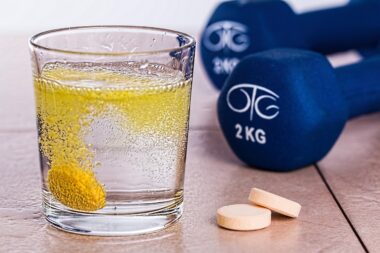
Hydration is often overlooked but plays a critical role in post-workout recovery. After intense exercise, replenishing fluids lost through sweating is essential to restoring your body’s balance. Water is sufficient for general hydration; however, restoring electrolytes is necessary after long workout sessions. Particularly, plant-based athletes should pay attention to foods rich in electrolytes. Foods like bananas, oranges, and coconut water can refill essential minerals lost. You can add these fruits to your meal for a refreshing recovery option. Hydration not only helps transport nutrients around your body but also regulates muscle function, preventing cramps during recovery and subsequent workouts. Keep an eye on your hydration levels throughout the day by drinking regularly rather than only during workouts. Experiment with hydration practices until you find what works best for you, and remember that flavoring water with citrus fruits or herbs can boost your daily intake pleasure. Combining adequate hydration with proper nutrients creates a productive arena for better workout performance and recovery cycles. Track your hydration habits, and consider supplementing with electrolyte-rich drinks when needed, especially in hot conditions.
Snacks can also play an essential role in post-workout nutrition, especially if you’re not able to have a full meal right after exercising. It is essential for plant-based athletes to have protein-rich snacks on hand. Things like protein bars made from dates, nuts, and plant protein powders can make nutritious and portable snacks. They offer convenience and aid in sustaining energy levels between meals, ensuring adequate nutrient levels for muscle recovery. Moreover, roasted chickpeas or edamame are high-protein, crunchy options providing nutrients alongside flavor. You may also explore nut-based yogurts that deliver protein while also incorporating pre- and probiotics aiding digestive health. These snack options allow you to keep your nutrition in check even when on the go, ensuring you won’t let post-workout hunger derail your dietary goals. By preparing snacks in advance, you set yourself up for optimal recovery and make it easier to maintain a balanced diet. Focus on variety in your snacks to ensure you’re sourcing nutrients from different foods while managing energy intake effectively, making progress towards your muscle-building goals.
Sample Plant-Based Recovery Meal
To create a balanced post-workout meal, it’s important to combine multiple food groups effectively. Begin with a base of whole grains, like quinoa or brown rice, which offer complex carbohydrates for sustained energy. Next, add a protein source—consider grilled tofu, tempeh, or even a serving of legumes like black beans or lentils. Would you like to include colorful veggies? Always use them! Think of a hearty salad made with spinach, bell peppers, and carrots fully loaded with nutrients that aid recovery. Finally, don’t forget healthy fats; this could be achieved through avocado slices or a drizzle of olive oil. Complete this plate with fruits such as berries or an apple, which can provide antioxidants that help reduce inflammation post-exercise. You can also use additional toppings like seeds or nuts to enhance flavor and include more nutrients. Preparing a recovery meal like this not only sets up for muscle recovery but is also physically satisfying and nourishing, providing everything a plant-based athlete would need. In this way, you further establish healthy nutritional habits for performance.
Consistency in your post-workout nutrition is vital for long-term muscle-building success. Following a framework for balanced, nutrient-dense meals and snacks will make recovery easier to manage as your training intensifies. Be proactive in meal planning by setting aside time weekly to prep meals or snacks so that you’ll always have nutritious options available post-exercise. Make it a habit to include protein sources in every meal and snack. Tracking your progress along with adjustments you make can keep you accountable; consider incorporating visual reminders of your protein goals. Always ensure that hydration is prioritized alongside nutrition; you may want to keep a reusable water bottle on hand to maintain fluid balance throughout the day. With the proper mindset and organized approach, you will cultivate habits that positively affect your performance and muscle gains. This level of dedication to a balanced plant-based diet can ultimately allow for optimal recovery and sustaining energy as training routines evolve. Empower yourself with the knowledge of your dietary needs and continuously educate yourself about food sources that will benefit your muscle-building journey.