
Breathing and Movement: Combining Yoga and Meditation for Back Pain
Back pain is a common ailment that affects many individuals. It can hinder daily activities and severely decrease quality of life. Yoga combines physical movement and controlled breathing to enhance both flexibility and strength. Integrating meditation can further alleviate pain, promoting relaxation. This holistic approach encourages individuals to listen to their bodies, fostering an awareness of tension in the back. By focusing on breath work, practitioners find relief and grounding during their yoga sessions. Yoga postures can be modified to accommodate various levels of pain, making it accessible for everyone. Those who integrate meditation alongside these practices often report enhanced benefits, including better pain management and reduced stress levels. A regular practice of yoga and meditation continuously engages the mind-body connection, ensuring that practitioners become more in tune with their physical states. Additionally, these disciplines help to strengthen the muscles that support the spine. Combining breath control with movement prepares the body for more challenging poses, ultimately developing a strong core that can prevent future pain. The emphasis on mindfulness in both yoga and meditation cultivates a calm approach to physical discomfort.
Understanding the Breathing Technique
Breathing techniques in yoga, known as Pranayama, play a crucial role in managing back pain. The practice encourages deep, intentional breath that enhances oxygen circulation throughout the body. Engaging in this technique not only soothes the nervous system but also promotes muscle relaxation. For individuals suffering from back pain, understanding how to breathe correctly during yoga is essential. Inhale deeply through the nose when lifting or stretching, and exhale fully while lowering or relaxing into poses. This rhythmic connection between breath and movement aids in decreasing muscle tension and increasing flexibility. Techniques such as Dirga Pranayama focus on three-part breathing, expanding the abdomen, ribs, and chest, allowing for increased lung capacity. Engaging the diaphragm effectively supports spinal alignment, which is vital for individuals experiencing discomfort in their lower back. Many practitioners report that integrating this focused breathing with their yoga routine revitalizes their connection to movement. It encourages mindfulness, focusing attention on sensations within the body. In turn, this mindfulness can reduce the perception of pain during both yoga practice and daily activities. Developing a consistent breathing practice enhances overall physical and mental well-being.
Yoga presents a plethora of postures that specifically target back pain relief. Poses such as Child’s Pose and Cobra Pose offer gentle stretches that encourage mobility within the spine. It’s essential to approach these poses mindfully; modifications can be made according to personal capability and comfort level. Each pose should be held for several breaths while engaging the breath to deepen the stretch. Gentle movements combined with breath work assist in loosening tight muscles, which contribute to back discomfort. Practicing these poses consistently can lead to long-term relief from chronic back pain. Additionally, incorporating restorative yoga into sessions can promote healing and reduce strain. Using props like bolsters or blocks can support the body in various poses, allowing even those with severe pain to participate. A supportive environment fosters relaxation, essential to combatting pain. Taking time for self-care through yoga not only addresses physical issues but also emotional stressors that can exacerbate pain. As individuals become increasingly aware of their bodies, their yoga practice becomes not just a physical endeavor but also an emotional journey towards healing and wholeness. Ultimately, regular practice leads to resilience and strength in the face of discomfort.
Meditation Techniques to Alleviate Back Pain
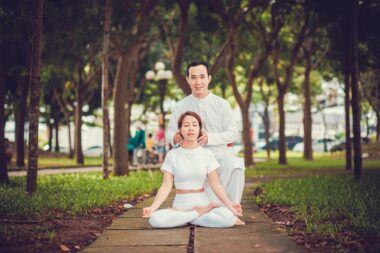
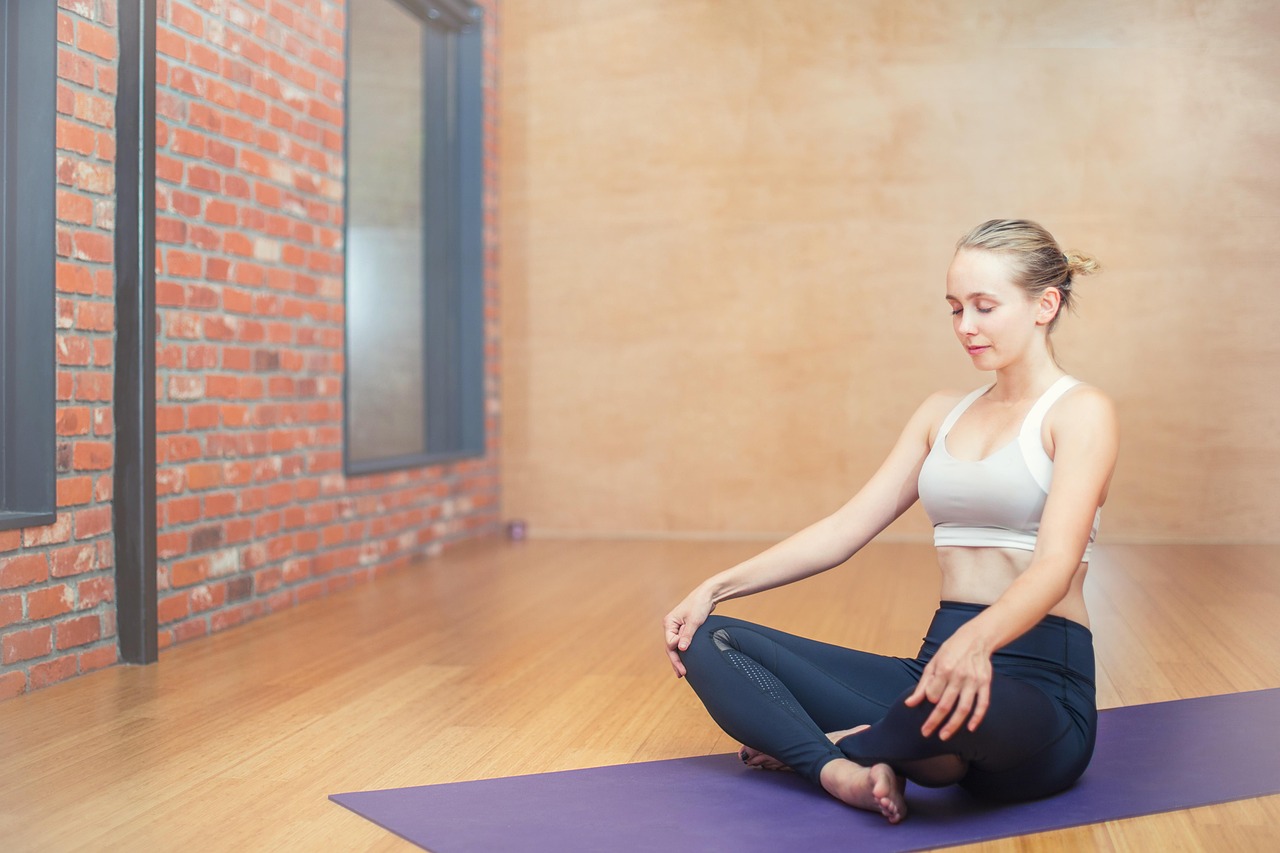
Meditation is a powerful adjunct to any yoga practice, particularly for those experiencing back pain. Techniques such as mindfulness meditation and guided visualization can be immensely beneficial. Practicing mindfulness enables individuals to observe their pain without judgment, creating space for acceptance rather than resistance. This approach can lead to reduced anxiety, often associated with chronic pain. As one learns to concentrate on breath and bodily sensations, tension can be released, aiding in relieving discomfort. Guided meditations focusing specifically on back pain often integrate soothing imagery and tranquil narratives, allowing the mind to drift into deeper relaxation. Retreating into a comfortable meditative state helps individuals disconnect from pain signals, shifting focus toward healing. Another beneficial meditation technique is the body scan, which encourages awareness of tension and encourages movement into areas of stress. Incorporating meditation sessions after or during yoga practice can enhance relaxation benefits, further enriching the experience. The effects of meditation vary with individual practice; however, consistent engagement can lead to substantial improvements. Combining meditation with yoga creates a comprehensive approach to managing back pain, encouraging each individual to explore their unique healing journey.
Establishing a routine that includes yoga and meditation is key for maintaining back health. Setting aside specific time for these activities allows a structured approach towards improvement. Consistency breeds familiarity and comfort, elements necessary for effective practice. Many individuals find it beneficial to dedicate early mornings or quiet evenings for their sessions. Practicing in a tranquil environment aids concentration and relaxation, enhancing the overall experience. One helpful strategy is to incorporate shorter sessions of both yoga and meditation throughout the week rather than lengthy sessions. This approach makes the practices more approachable and easier to maintain. Experimenting with various poses and meditation styles will help discover personal preferences for what works best. There are countless resources available, including online classes and local studios, facilitating this exploration. Additionally, joining a supportive community can foster motivation and accountability. Engaging with others who share similar journeys can provide encouragement, creating a sense of belonging. Understanding that personal experiences with back pain may differ allows for a personalized approach. It is crucial to listen to one’s body and adapt practices accordingly to avoid exacerbating discomfort while achieving holistic healing through mindful dedication to yoga and meditation.
The Importance of Professional Guidance
While practicing yoga and meditation for back pain relief is empowering, seeking professional guidance from qualified instructors is invaluable. A well-versed yoga teacher can provide tailored modifications and adjustments based on one’s specific needs. They are trained to address various conditions and understand the importance of safety during practice. Having a knowledgeable instructor helps to ensure that yoga postures are performed correctly, which minimizes the risk of injury. Additionally, they can guide individuals through breathing techniques, tailoring them to enhance comfort and effectiveness during each session. Instructors can also provide insight into which postures or meditation practices specifically target back pain. Many instructors offer workshops focused solely on managing back pain, providing techniques for long-term relief. Enrolling in classes allows individuals to benefit from live observations and feedback, fostering an encouraging environment. This professional assistance can maintain motivation and accountability, ultimately enhancing the journey towards healing. In addition to yoga instructors, consulting healthcare professionals, such as physical therapists, can provide a comprehensive treatment approach. Their expertise offers personalized guidance, paving the way for integration of yoga and holistic methods into a traditional therapeutic setting.
In conclusion, the integration of yoga and meditation creates an enriching approach towards alleviating back pain while promoting overall wellness. Practicing with intention strengthens mental and physical connections, essential for optimal recovery. Incorporating breathing techniques, tailored poses, and supportive meditation practices culminates in a holistic strategy for pain management. Building a sustainable routine helps foster resilience against back pain while also improving mental clarity and emotional well-being. It is important to remind oneself that healing is often a gradual process, requiring patience, understanding, and self-compassion. As individuals embark on this journey, they will likely discover beneficial strategies that resonate uniquely with their experiences. Engaging with supportive communities or seeking direction from qualified professionals lays a strong foundation for success. By prioritizing self-care through yoga and meditation, one truly embraces a lifestyle change that nurtures both body and mind. Continuous practice reinforces embodiment of healing and transformation. As practitioners progress, they develop greater awareness, cultivating an ability to manage pain more effectively. Ultimately, the combination of these disciplines inspires a sense of empowerment, promoting a vibrant, fulfilling life free from the constraints of back pain.
Final Thoughts
Adopting a lifestyle enriched with yoga and meditation offers valuable tools not only for managing back pain but also for enhancing daily quality of life. The union of breath, movement, and awareness nurtures resilience and vitality. Practitioners often witness significant changes, both physically and mentally, through consistent engagement in these disciplines. Finding joy in the repetitive practice enhances the overall experience, transforming each session into a meditative retreat. Many individuals report improved emotional regulation capabilities and greater access to inner peace through these techniques. This expansive healing journey transcends physical limitations, encouraging individuals towards wholeness. Engaging in these mindful practices daily fosters life-long habits that promote ongoing health and happiness. Ultimately, the fusion of yoga and meditation advocates a comprehensive approach towards self-care, establishing a proactive stance against chronic pain. This commitment to well-being not only benefits individuals but inspires others within personal circles, creating a positive ripple effect. With a dedicated mindset toward practice, individuals can embrace life’s challenges with confidence, cultivating a deep sense of appreciation for the process of healing and growth that yoga and meditation provide.