
Emerging Techniques: Integrating Imaging Modalities for Fat Distribution Analysis
Body composition analysis has evolved significantly, particularly with respect to fat distribution analysis. This area has gained attention due to its relevance in assessing health risks associated with obesity and metabolic disorders. By combining the strengths of various imaging techniques, researchers can obtain a more accurate and comprehensive analysis of fat distribution across the body. Different modalities such as Magnetic Resonance Imaging (MRI) and Computed Tomography (CT) offer unique advantages and limitations. MRI is known for its high-resolution images without ionizing radiation, while CT can provide detailed cross-sectional images of body fat. Integrating these techniques enhances the overall understanding of body fat, particularly visceral and subcutaneous fat levels. Furthermore, advancements like dual-energy X-ray absorptiometry (DXA) are playing a critical role, allowing quick and efficient body composition analysis. The synergy of these imaging modalities enhances the interpretation of results, contributing to improved clinical assessments and targeted interventions. As research in this field progresses, the incorporation of emerging imaging techniques promises to enhance our understanding of body composition further.
While enhancing imaging capabilities is crucial, the analytical tools used to process these images also require development. Modern software applied to imaging analysis can automatically identify and quantify various fat types, providing insights into their distribution patterns. For instance, utilizing machine learning algorithms has allowed for quicker image reconstruction and analysis, substantially improving workflow efficiency. As algorithms become more sophisticated, they can also assist in identifying subtle changes in fat distribution, enabling faster clinical decision-making. These tools can analyze data from multiple imaging techniques, providing a comprehensive view of an individual’s body composition over time. Furthermore, combining artificial intelligence with imaging can potentially lead to predictive models for assessing health risks related to fat distribution. The integration of such technologies necessitates a multidisciplinary approach involving radiologists, data scientists, and healthcare professionals to ensure that these innovations effectively translate into clinical practice. Researchers are actively exploring these areas, striving to create standardized processes for integrating imaging modalities into routine assessments of body composition in medical settings.
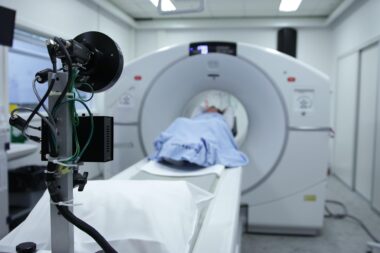
One of the most noteworthy innovations in body composition analysis is the use of hybrid imaging technologies. These technologies, which combine different imaging modalities into a single system, help address the shortcomings of individual imaging techniques. For instance, Positron Emission Tomography with Computed Tomography (PET/CT) offers unique advantages in assessing metabolic and anatomical information simultaneously. This integration allows for a more dynamic view of fat distribution and its correlation with metabolic activity, improving insights into diseases influenced by fat accumulation. The PET/CT technique can trace metabolic processes in living tissues, giving researchers information about fat tissue that standard imaging cannot provide. Moreover, integrating imaging modalities can facilitate personalized medicine approaches, whereby treatment plans are tailored based on precise fat distribution metrics derived from hybrid imaging. As these technologies advance, they promise to improve diagnostics and therapeutic strategies for disorders linked to obesity and fat distribution. Consequently, securing funding and resources for research in hybrid imaging modalities is essential to further advance body composition analysis.
Clinical Implications of Advanced Imaging Techniques
The implications of advanced imaging techniques for clinical practice are vast. Accurate fat distribution analysis provides essential insights into patient health, allowing healthcare providers to identify individuals at risk for various health issues. For instance, by pinpointing visceral fat accumulation, clinicians can better assess cardiovascular risks associated with obesity. In patients undergoing weight loss programs, having precise body composition data can shape more effective and individualized treatment plans. Moreover, the integration of imaging techniques improves monitoring parameters throughout a patient’s treatment journey. As fat distribution patterns change, clinicians can adjust treatment strategies based on quantifiable imaging data, ensuring better outcomes. Further, advanced imaging can also play a role in research settings, facilitating large-scale studies that evaluate health interventions’ effectiveness in modifying fat distribution. For patients with chronic diseases, such as type 2 diabetes, understanding body composition may guide preventative and therapeutic interventions. As healthcare shifts towards personalized strategies, imaging advancements are invaluable tools, impacting numerous areas of clinical practice. Therefore, continued investments in research and development are essential for maximizing the clinical potential of these technological advancements.
The diversity of imaging techniques offers researchers the ability to study fat distribution from multiple perspectives. For instance, ultrasound is a cost-effective and accessible imaging approach that can provide valuable information about subcutaneous fat layers. Though traditionally overshadowed by other modalities, advancements in ultrasound imaging have enhanced its resolution, expanding its application in body composition analysis. Furthermore, portable handheld ultrasound devices have made assessing body composition feasible in various settings, including remote or underserved areas. Consequently, this technique can be beneficial for health initiatives aiming to improve population-level health outcomes by identifying individuals with high fat accumulation. The combination of ultrasound with other imaging modalities can create a holistic assessment of body composition, enabling a more comprehensive analysis. The flexibility and adaptability of ultrasound in real-world settings underscore its relevance in diverse clinical scenarios. Employing various imaging techniques collectively allows researchers to capture a complete image of body composition, which can lead to more informed health interventions tailored to individual patients. As more healthcare practitioners integrate ultrasound into their practices, its contribution to body composition analysis will undoubtedly grow.
Integration of imaging techniques extends beyond human health; it also has significant implications in sports science and fitness. Athletes and fitness enthusiasts benefit from detailed body composition analysis, which informs training regimens and nutritional strategies. Advanced imaging modalities provide precise data on fat distribution, helping coaches tailor fitness programs to enhance performance and reduce injury risks. For example, assessing an athlete’s body fat percentage can guide decisions about optimal weight classes in competitive sports. Moreover, understanding the distribution of fat can critically inform recovery strategies subsequent to injury, allowing for targeted rehabilitation protocols. As athletes use these insights to optimize their physical condition, the role of imaging technologies becomes pivotal in enhancing athletic performance. Additionally, ongoing research into how body composition influences training adaptations adds a new layer of complexity to optimizing athletic potential. As wearable technologies continue to evolve, integrating these real-time metrics with imaging data will empower coaches and athletes alike to make smarter, evidence-based decisions about training. Leveraging these advanced technologies ensures athletes can achieve peak performance while maintaining their long-term health and well-being.
Future Directions in Body Composition Analysis
Looking forward, the future of body composition analysis will likely involve even more sophisticated imaging techniques and technologies. This includes the potential for combining genetic data with imaging metrics to gain insights into individual variations in fat distribution. Research focusing on genetic predisposition to fat accumulation may reveal new pathways for targeted interventions. Furthermore, the integration of telemedicine with imaging will pave the way for remote consultations, enhancing access to body composition assessments. Innovations in mobile imaging technologies will soon allow clinicians and researchers to perform analyses in various settings, improving convenience. Likewise, blockchain technology may be utilized for securing patient data while sharing imaging findings among healthcare professionals. As the emphasis on personalized healthcare continues to grow, staying ahead of advancements in these technologies will be crucial. Researchers and practitioners must ensure thorough understanding and application of emerging trends in imaging. Emphasizing the integration of interdisciplinary approaches will enhance the effectiveness of body composition analysis. Ultimately, advancing this field promises significant contributions toward better health outcomes, improved patient management, and innovative treatments for obesity and metabolic disorders.
In conclusion, the integration of various imaging techniques for analyzing body composition is transforming the landscape of health assessment and monitoring. By leveraging advancements in technology, healthcare professionals can gain a holistic understanding of fat distribution, enhancing their diagnostic and therapeutic capabilities. From traditional modalities like MRI and CT to new approaches like ultrasound and hybrid imaging, the options available today are diverse and comprehensive. Combining these techniques enhances data quality, providing insights essential to understanding health risks tied to body composition. Clinical implications are far-reaching, influencing not only individual treatment plans but also broad public health initiatives aimed at combating obesity. As research continues in this area, the integration of artificial intelligence and machine learning into imaging analysis will undoubtedly play a significant role in advancing knowledge. The future of body composition analysis holds great promise, with developments aimed at refining and personalizing healthcare approaches. Consequently, continuous investment in technology and research is required to harness these innovations fully. Ultimately, the innovations in body composition imaging will facilitate improved health outcomes, contributing significantly to the ongoing fight against obesity and other related metabolic disorders.