
How to Modify Pilates Moves for Safety and Comfort
Practicing Pilates can greatly enhance your strength, flexibility, and overall health. However, ensuring safety while performing exercises should always be paramount. Modifying Pilates moves is crucial, especially for those new to the practice or recovering from injury. Start by listening to your body and recognizing any discomfort you might experience. If a specific move feels wrong, consult a certified instructor for guidance. Gradually build your repertoire by understanding the modifications applicable to common exercises. For instance, if you struggle with the traditional plank, try supporting your knees or utilizing a sturdy surface for your hands. Comfort should never be sacrificed for getting the move ‘just right.’ Always prioritize your well-being over aesthetics. Explore options like props or modifications such as using a reformer machine. Remember to engage your core while executing movements. Take breaks whenever needed, allowing your body to rest. Hydration is essential during practice, ensuring you maintain optimal performance. Incorporating these adjustments will boost both your confidence and enjoyment in Pilates.
One significant aspect of Pilates is its emphasis on alignment and control. If you’re unable to achieve proper alignment, make the necessary adjustments to accommodate your body. Avoid pushing yourself too hard, as this can lead to injury. For instance, if you’re performing the Hundred exercise and find it too challenging, consider lowering your legs or modifying the arm movements. Always keep your neck relaxed and aligned, preventing strain. Exercises like the Roll Up can also be modified by bending your knees or using a strap for support. Prioritize the quality of your movements over quantity; fewer precise, aligned movements are far more beneficial than numerous flawed ones. Use the wall or a chair for extra support if you’re working on balance-intensive moves. Remember, Pilates is about connecting the mind to the body; modifications can enhance this connection for a safer, more fulfilling practice. Always communicate openly with your instructor about any concerns or limitations you may have. They can provide tailored adjustments to ensure a safer and more enjoyable experience for your body.
Utilizing Props for Safe Practice
Incorporating props into your Pilates practice can significantly enhance your safety and comfort levels. Props such as resistance bands, stability balls, and blocks help facilitate proper movements and reduce strain. For beginners or those with limited mobility, using a soft foam roller or a sturdy chair might prove useful. For example, a yoga block can be instrumental in stretching and maintaining balance during standing exercises. A stability ball can provide a fun way to enhance core engagement and improve stability in various exercises. Moreover, resistance bands can help modify challenging movements by providing support and enabling gradual strength building. Always ensure that any prop used is of high quality to avoid accidents during execution. Familiarize yourself with how to use these props correctly, perhaps under the guidance of an instructor. When you utilize props effectively, you can explore a broader range of movements without the associated risks. Respect your body’s limits and make adjustments as needed to maintain a safe and enjoyable exercise routine.
Another simple yet effective way to modify Pilates moves is through breathing techniques. Breathing plays a pivotal role in maintaining control and awareness during exercises. Always exhale during exertion to improve core activation and stability. Likewise, inhale to prepare for movements, allowing your body to fill with air and provide the necessary support. If you find any exercise overwhelming, focusing on your breath can ease tension and allow you to return to a state of calm. For example, during the Spine Stretch, concentrate on inhaling deeply and exhaling slowly, which encourages relaxation of tense muscles. Remember that modifications are not just physical but mental as well; staying grounded and balanced in your breath can prevent anxiety from creeping in during challenging poses. Embrace each moment, allowing your breath to guide your movements to ensure fluid transitions. By incorporating controlled breathing into your routine, you mitigate the risk of injuries while enhancing your overall Pilates experience.
Listening to Your Body
Listening to your body is perhaps the most crucial modification. Each individual experiences Pilates differently based on their unique anatomical structure and fitness level. Always pay attention to how specific movements are perceived by your body. If a move causes pain, it’s important to stop and reassess. Whether it’s tightness in a muscle or discomfort in a joint, these signals shouldn’t be ignored. Engage in self-assessment regularly to determine which modifications best serve your body. Consider keeping a training journal to document your experiences, allowing you to reflect on what works and what doesn’t. Discuss any ongoing sensation with a healthcare provider or instructor who can offer advice tailored to your needs. Challenge the misconception that you must perform every exercise perfectly. Celebrate progress, no matter how small. Adjust expectations based on your day-to-day experiences and flexibility levels, ensuring to approach each session with the right mindset and positivity. Taking the time to understand what your body requires is essential for a fulfilling practice.
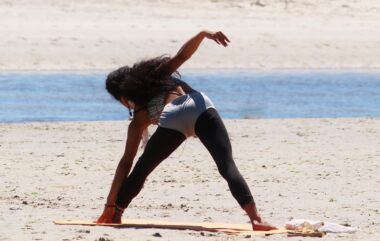
In some cases, it may be appropriate to modify the environment where you practice Pilates. Ensure the space is free from distractions and conducive to your focus. Opt for a mat with adequate cushioning for comfort while performing floor-based exercises. If practicing at home, choose a quiet location where interruptions are minimized. Light and temperature also play a vital role in your comfort level; ensure the area is well-lit and at a comfortable temperature to promote movement fluidity. Removing clutter ensures that your mind can be at ease, directing full attention to your workout. Consider using soft music in the background to enhance relaxation and concentration while practicing. By adapting your environment, you create a safe and enriching atmosphere for yourself. Proper mindfulness of your surroundings allows you to connect with your movements more effectively. Remember that even minor adjustments to your practice space can yield significant benefits in terms of safety and comfort during Pilates sessions. A well-prepared environment nurtures a positive mindset.
The Importance of Warm-Up and Cool-Down
A structured warm-up and cool-down are vital in reducing risks and enhancing comfort during Pilates. Warm-up exercises prepare your body, increasing blood flow and warming muscles, ultimately leading to improved performance. Spend a few minutes on gentle movements to increase circulation and flexibility. A well-prepared body can better handle the demands of Pilates practice. Consider gentle stretches, mobility movements, or even simple bodyweight exercises as part of your warm-up. Conversely, a proper cool-down aids recovery and minimizes soreness that may occur post-exercise. Focus on gentle stretches to restore flexibility and prevent stiffness. Once you finish your practice, take time to lie down and focus on breathing; this will promote relaxation. Engage in restorative stretches targeting areas that felt particularly worked during your session, enhancing recovery. Integrating these practices into your routine can significantly contribute to achieving long-term success in Pilates. Both warm-up and cool-down are essential for safety, comfort, and overall performance improvement. By nurturing your body in these ways, you set the stage for a more fulfilling Pilates journey.
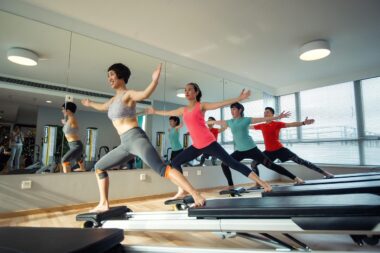
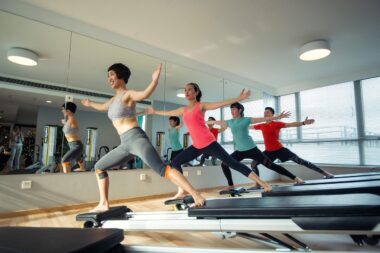
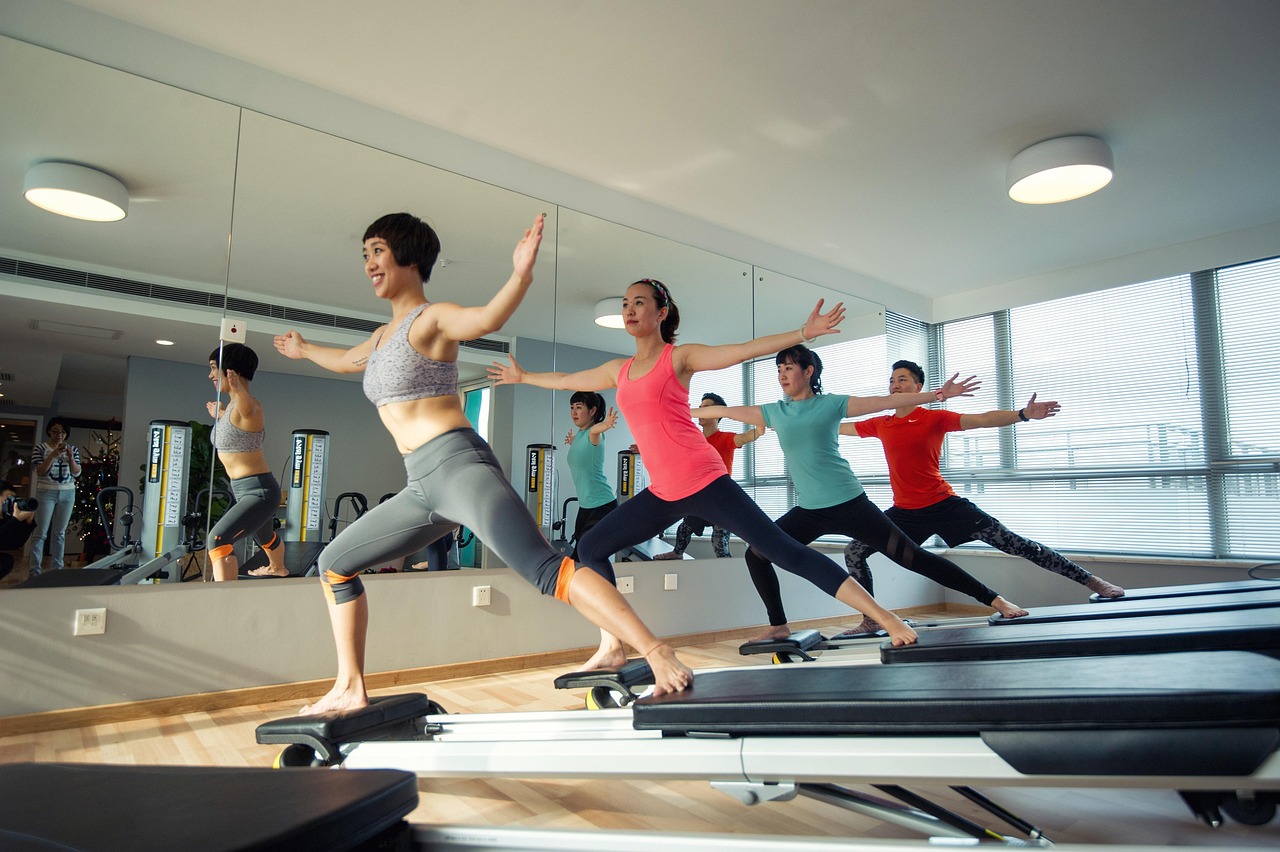
Finally, consider participating in group classes to learn modifications from peers and instructors. The community aspect of Pilates can be incredibly supportive and enlightening, offering valuable insights into various movements. Engaging with others diversifies your practice experience, exposing you to different perspectives and modifications. Group settings also enhance accountability and motivation, inspiring you to push your boundaries while prioritizing safety. If possible, consult with a certified Pilates instructor who can tailor modifications specifically to your needs. They can provide hands-on guidance, ensuring that exercises are performed safely. Joining classes led by knowledgeable instructors aids in proper alignment and technique, minimizing the risk of injuries. Choose classes designed for all skill levels, prioritizing safety and inclusivity. These tailored sessions ensure that safety is addressed while participants of varying abilities and experience levels can enjoy the benefits of Pilates. Community engagement fosters a supportive environment that can contribute significantly to your confidence and growth as a practitioner. Embrace the joy of learning while building a healthy routine through a emphasis on safety and comfort during your Pilates practice.