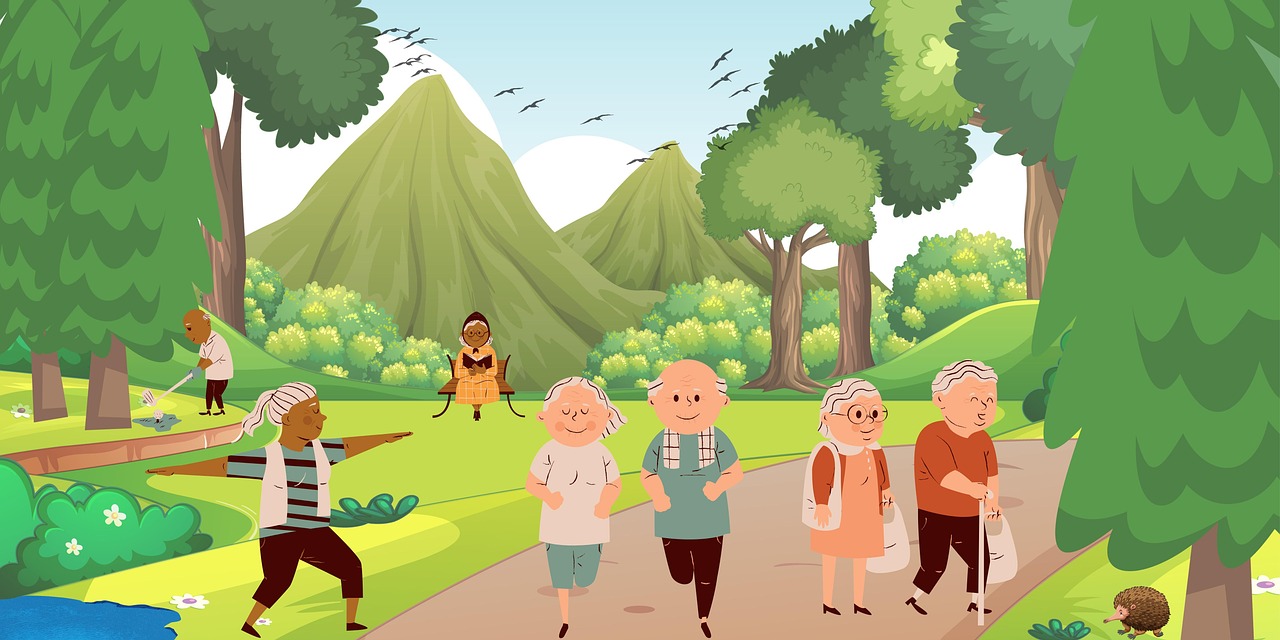

Planning Community-Based Fitness Initiatives for Older Adults
Creating effective fitness initiatives for older adults requires a thoughtful approach. Firstly, understanding the needs and limitations of this demographic is essential. Older adults may experience various health conditions and functional limitations, making it crucial to adapt exercise programs accordingly. The initiatives should be inclusive and accessible to encourage participation. Additionally, involving healthcare professionals in the planning process can provide valuable insights. These experts can help tailor programs to meet the unique fitness levels of older adults. Furthermore, the incorporation of social elements into fitness activities can enhance motivation. Exercise groups can foster a sense of community, which is beneficial for mental health. Regular assessments should also be made to evaluate the effectiveness of the programs. This information can guide necessary adjustments, ensuring that fitness initiatives remain effective and relevant. Furthermore, education about the benefits of physical activity can empower older adults to take charge of their health. Providing informational resources, such as workshops or pamphlets, can increase awareness. Ultimately, fostering a supportive environment will encourage older adults to engage in healthier lifestyles.
After establishing foundational guidelines, it’s vital to consider the types of exercises that may be included in the initiatives. Choosing appropriate activities will enhance participation and enjoyment. Low-impact exercises, such as aqua aerobics, walking clubs, or chair yoga, are excellent options for older adults. Additionally, strength training exercises using resistance bands can help build muscle mass, which tends to decline with age. Balance training should also be a core component, as it can reduce the risk of falls, a significant concern for this demographic. Seeking input from prospective participants during the planning phase will ensure that the offered activities align with their interests. Moreover, a holistic approach that promotes mental, emotional, and social well-being should be prioritized alongside physical health. Activities such as dance classes or gardening can provide both physical exercise and an avenue for social interaction. Outreach efforts should be targeted at local senior centers, community centers, and social media platforms to recruit participants. Collaboration with local organizations can amplify the reach of these initiatives. Incorporating incentives, such as free trial classes, can further encourage enrollment and commitment to the program.
Partnerships and Community Engagement
Building partnerships is vital for the success of community-based fitness initiatives for older adults. Collaborating with local organizations, healthcare providers, and fitness professionals enables resource sharing and enhances program credibility. Local hospitals and clinics can assist in program design by providing health screenings or assessments. Fitness trainers with experience in senior exercise can also be invaluable partners in developing safe and effective exercise regimens. To foster community participation, it’s crucial to engage older adults in the planning process. Conducting surveys or focus groups can provide insights into their preferences and barriers to participation. Community involvement will lead to tailored programs that meet the specific needs of older adults. Furthermore, local businesses can be approached to sponsor events or provide resources such as gym space or equipment. Engaging volunteers can also help reduce costs and enhance program offerings. Training community members to lead classes can promote sustainability and support local engagement. This involvement encourages a sense of ownership among participants, making them more likely to attend regularly and promote the initiatives to others. Measuring the impact of these partnerships and community involvement will be essential for ongoing success.
Marketing strategies should be effective in spreading the word about fitness initiatives for older adults. Creating targeted marketing materials is critical for attracting participants. Print materials such as flyers, brochures, and posters can be distributed in community centers, libraries, and healthcare facilities frequented by older adults. Additionally, fostering an online presence through a dedicated website or social media can broadly increase awareness. Engaging stories and testimonials from current participants can inspire potential attendees. Video demonstrations or virtual classes can also enhance interest and accessibility. It’s vital to emphasize the health benefits associated with regular participation, including enhanced mobility, improved mental health, and decreased risk of chronic diseases. Education-focused seminars addressing common misconceptions about exercise in older age can also generate interest and encourage sign-ups. Peer referrals can be powerful; encouraging current participants to invite friends or relatives can expand program reach. Hosting an open house or introductory workshop can serve as an initial introduction to potential participants. Offering flexible scheduling will allow for better participation rates. Ensuring that initiatives remain cost-effective will be crucial, maintaining community involvement and enthusiasm.
Measuring Success and Sustainability
To ensure the longevity of community-based fitness initiatives for older adults, regular evaluation is fundamental. Establishing baseline metrics before initiating programs will allow for effective comparisons over time. Participants’ fitness levels, attendance rates, and overall satisfaction should be recorded. Using surveys, interviews, or focus groups can help gather qualitative data regarding participant experiences. It’s essential to identify social and health-related outcomes, such as improved physical function or an increase in social interactions. This data will guide necessary adjustments to strengthen the program’s structure. Additionally, sustainability can be supported by securing ongoing funding. Grant opportunities at local, state, or national levels should be explored to finance initiatives long-term. Continuous partnerships can provide resources, and local businesses may be willing to support through sponsorships. Engaging testimonials and stories of success can attract further funding and support. Celebrating participant achievements through events or recognition programs can also motivate continued involvement. Lastly, creating an adaptive program that can change to suit new interests or needs will contribute to its longevity. Ensuring it stays relevant to older adults will promote sustainable participation.
Another significant consideration in planning fitness initiatives for older adults is ensuring safety in all activities. Addressing safety concerns can alleviate apprehensions participants may have when joining exercise programs. All exercises should be tailored to the fitness levels and physical limitations of older adults. Clear communication about what to expect during each class can foster a sense of security. Additionally, having trained instructors or volunteers on hand to monitor safety can enhance the experience. Regular assessments, including health screenings, can help identify any individualized precautions that may be necessary. Providing adequate space for movement and ensuring the environment is free from hazards will also maintain safety. Informing participants about proper attire and equipment is essential for their well-being. Flexibility in program delivery can accommodate varying abilities, providing options for seated exercises or lower-intensity activities. Encouraging participants to listen to their bodies and modify exercises as needed can empower autonomy and reduce injury risk. Ensuring a supportive community atmosphere will also provide emotional security. Open lines of communication between participants and trainers can further enhance safety and enjoyment within the program.
Final Thoughts and Looking Forward
In conclusion, developing community-based fitness initiatives for older adults offers numerous benefits to promote health and well-being. By prioritizing safety, accessibility, and community engagement, these programs can foster improved physical, mental, and social health outcomes. Collaborating with local health organizations and fitness professionals ensures that initiatives are adequately designed and tailored to suit participants’ individual needs. Engaging older adults in both planning and execution not only enhances program effectiveness but also cultivates a sense of ownership among them. Ongoing assessments and adaptations will help maintain relevance and increase participation. It is crucial to emphasize the importance of regular physical activity within this demographic and create an encouraging environment. Aligning these initiatives with community goals for health can uplift the quality of life for all participants. Furthermore, as our population continues to age, expanding these programs becomes essential to address the diverse needs of older adults. With a commitment to continuous improvement, health professionals and community leaders can ensure that these initiatives remain sustainable and impactful, paving the path for healthier, happier, and more engaged older adults.