
Flexibility Exercises to Improve Your Running Form
Flexibility plays a crucial role in running performance and injury prevention, making stretching exercises essential for serious runners. Improved flexibility allows you to attain better form, increase your range of motion, and enhance overall fluidity while running. When you integrate stretching into your routine, it not only warms up your body but also helps improve your efficiency on the track. Whether you’re a seasoned marathoner or a beginner, prioritizing stretching will enhance your training outcomes. These flexibility exercises are geared towards runners looking to boost their performance and longevity in the sport. In addition to improving running form, flexibility can significantly reduce the risk of injuries such as strains and sprains to the hamstrings, quads, and calves. Regularly practicing stretches can ensure that your muscles remain pliable and responsive, ready to withstand the physical demands of running. These exercises are straightforward and can be incorporated into your daily routine. In the following sections, we will explore specific exercises that emphasize flexibility and discuss their benefits for runners. Incorporating these stretches into your regimen will lead to noticeable improvements in your running mechanics.
One of the most effective flexibility exercises for runners is the dynamic warm-up. This approach focuses on progressively increasing your range of motion and preparing your muscles before running. A series of dynamic stretches, such as leg swings and walking lunges, can stimulate blood flow and activate key muscle groups. Leg swings target the hip flexors and hamstrings, while walking lunges stretch the quads and glutes, ensuring a full-body warm-up. Additionally, performing high knees can dynamically engage your calves and further enhance your agility. These movements also help improve neuromuscular coordination, which is vital during a run. Your body becomes more responsive to the terrain and better equipped to handle changes in pace. Allocate 10-15 minutes for a dynamic warm-up before each running session. Exploring variety in your warm-up routine can keep it engaging and effective, adjusting as per individual needs and focus on areas that require additional attention. Consistently applying dynamic stretches into your regimen can lead to substantial improvements in your running form and physical condition, especially during longer races or marathons.
Static Stretching for Flexibility
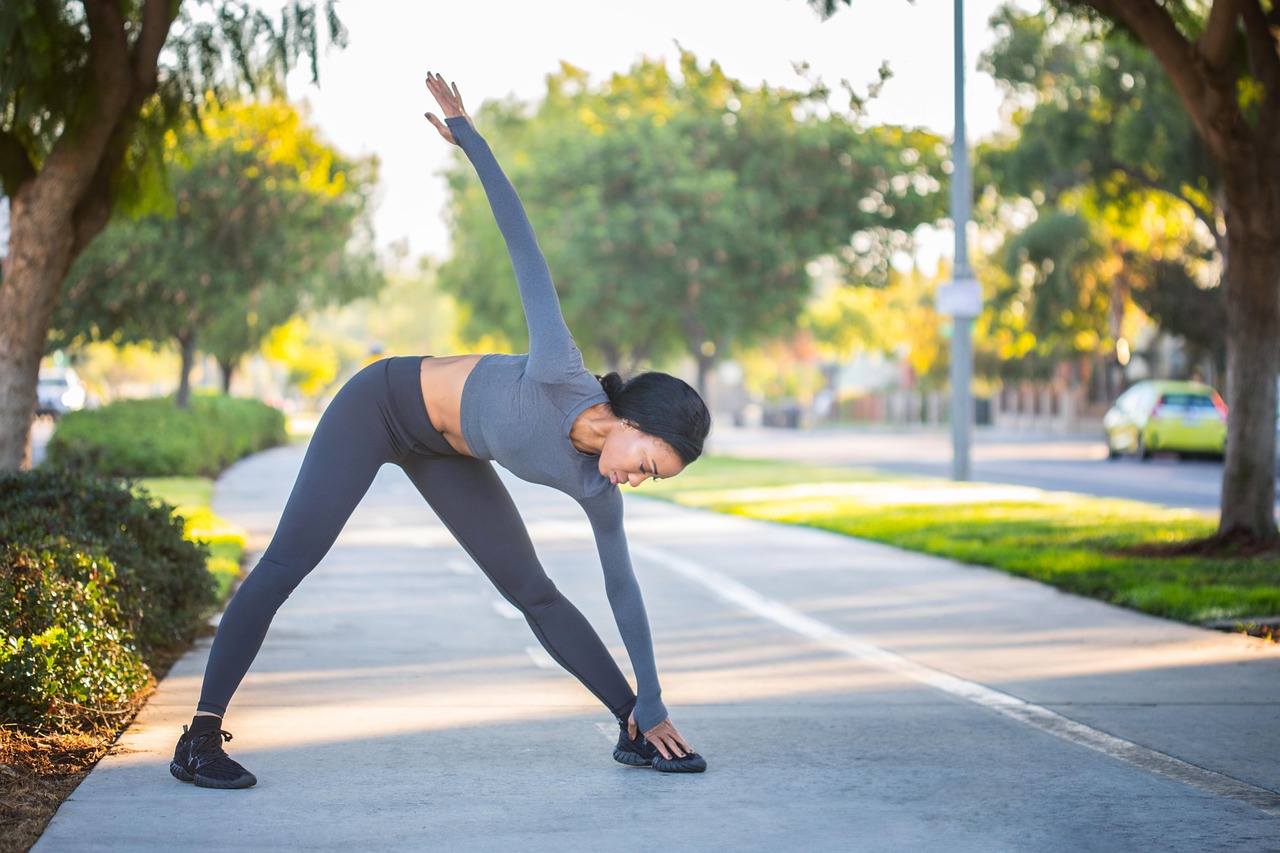
Incorporating static stretching into your post-run routine is equally important for improving flexibility. Unlike dynamic stretches that prepare your body, static stretches help maintain and enhance the length of your muscles after running. After your workout, it is the perfect time to hold stretches gently for 15 to 30 seconds, allowing your body to cool down and relax. Focus on major muscle groups that are heavily engaged during your runs, such as the quads, hamstrings, calves, and hip flexors. For example, standing or seated quad stretches can be incredibly effective for easing tension on the thighs, while calf stretches using a wall or a step can alleviate strain around the lower legs. Additionally, don’t underestimate the effectiveness of the butterfly stretch for opening up tight hips. The flexibility gained through targeted stretching post-run will effectively facilitate recovery and prepare your muscles for subsequent workouts. Over time, incorporating a regular static stretching routine can translate into noticeable gains in both flexibility and overall running performance, fostering a healthy training habit.
Another vital component of developing flexibility is the addition of yoga to your training plan. Yoga combines strength, balance, and flexibility, making it an excellent complement to running. A weekly yoga session can significantly enhance your muscle pliability while improving your mental focus and breathing techniques. Poses such as the Downward Dog and Warrior II can stretch various muscle groups and simultaneously build strength. Incorporating yoga into your routine can facilitate faster recovery and better posture while running. The holistic nature of yoga helps alleviate pain and tension by promoting mindfulness, essential for long-distance training. Many runners find that the mental clarity gained through yoga significantly benefits their focus on the track. Consider attending yoga classes specifically tailored for athletes to receive personalized instruction. Online resources and apps are also available to help you practice at home. Committing to yoga will not only enhance your physical capabilities but also create an opportunity for relaxation and mindfulness in your busy training schedule, making it easier to balance the demands of both running and recovery.
Foam Rolling as a Flexibility Tool
Employing a foam roller is another effective strategy to enhance flexibility. Foam rolling can alleviate muscle tightness and improve blood flow, which is crucial for muscle recovery. It acts like a self-massage tool, releasing knots and tension in major muscle groups utilized during running. Concentrating on areas that typically experience tightness, including the calves, IT bands, quadriceps, and glutes, can significantly increase flexibility and muscle function. Spend about 1-2 minutes rolling each targeted area post-run for optimal results. Gradually apply pressure to help identify sore spots, working on them will ensure recovery and improve your range of motion. Performing sequences of rolling and stretching after foam rolling helps to further enhance the flexibility gained. Integrating foam rolling alongside traditional flexibility exercises will create an effective muscle recovery program. Foam rollers are easily accessible and affordable, making them a practical addition to any runner’s toolkit. Implementing this recovery process consistently can not only enhance flexibility but also enable improved running performance over time, allowing you to push limits while remaining injury-free.
To further improve your running form, consider incorporating balance exercises into your training routine. These exercises develop stability and coordination, crucial components of effective running mechanics. Activities such as standing on one leg, using a balance board, or performing single-leg deadlifts can help strengthen the supporting muscles around your ankles, knees, and hips. A strong foundation will encourage proper alignment, resulting in a more efficient running stride. Balance exercises not only enhance flexibility but also help prevent common injuries associated with a lack of stability. As you become more comfortable with these exercises, challenge yourself with variations to increase intensity. A comprehensive routine that blends flexibility, strength, and balance will equip you with the necessary tools to tackle longer distances successfully. Establish a balanced training plan that includes flexibility drills, strength training, running, and recovery activities. Setting this foundation will empower you to improve your skillset and performance on the track. Consistency in strengthening your balance, alongside flexibility improvement, ensures you can meet the demands of marathon training with reduced injury risk.
Conclusion: Embrace Flexibility in Your Training
Integrating flexibility exercises throughout your training regimen will enhance your running form, reduce injury risks, and promote recovery. Consistency is vital, so developing a routine that incorporates dynamic warm-ups, static stretching, yoga, and foam rolling will yield the best results. Moreover, don’t underestimate the positive impact of balanced strength training and stability exercises to improve your overall performance as a runner. Flexibility isn’t just about stretching; it’s essential for achieving optimum results during your races. By focusing on incorporating these various techniques into your training routine, you will see significant improvements in your range of motion, better running efficiency, and ultimately, increased enjoyment of the sport. The commitment to flexibility will foster a positive change in your overall training outcomes. As you embrace these exercises, ensure that you monitor your progress and listen to your body’s needs. With time, patience, and dedication, you will witness the advantages of improved flexibility manifest in your running performances, helping you achieve your marathon goals. Prioritize this often-overlooked aspect of training and unlock the full potential of your running abilities.
With these principles in mind, remember that flexibility is an ongoing journey for all runners. Understanding that it takes time and patience will motivate you to remain proactive in your training. Create a flexible routine tailored to your individual needs and preferences for the best results. Document your progress and be mindful of any changes in your body as you incorporate flexibility exercises into your regimen. Celebrate your achievements, no matter how small, and recognize that each improvement contributes to your overall performance as a runner. Building flexibility is as important as logging your mileage; make it a priority to enhance your training experience. Research additional techniques and stay informed about best practices to optimize both your flexibility and running form. Tap into the wider running community through forums and social media to share your experiences. Connecting with other runners can provide motivation, support, and insights into their flexibility practices, enriching your own training journey. As you champion flexibility, you will inevitably find that it can become a transformative aspect of your running, providing physical benefits and mental advantages that elevate your overall performance.