
Understanding Heart Rate Zones for Effective Progress Monitoring
Monitoring your heart rate is crucial for reaching fitness goals. Understanding heart rate zones helps individuals measure intensity during workouts effectively. Heart rate zones indicate the range your heart rate should be in during exercise to ensure optimal performance and safety. There are generally five different heart rate zones, ranging from warm-up to maximum effort, which correspond to specific percentages of your maximum heart rate. Determining your maximum heart rate can be done by subtracting your age from 220, offering a simple calculation. Athletes can utilize heart rate monitors to track their zones effectively during training sessions. Staying within a specific zone allows proper management of energy and intensity. Properly monitoring heart rate prevents overexertion, which could lead to injury or burnout. Additionally, understanding these zones can guide recovery strategies by maximizing workouts for improved performance. Overall, heart rate monitoring provides concrete data to inform training choices, focusing on where improvements are necessary. For people just beginning their fitness journey, heart rate zones could be a roadmap to assess progress while fostering a greater understanding of personal fitness levels.
To utilize heart rate zones effectively, consider a few key strategies. First, define your fitness goals to determine which zone you need to train in. For instance, if your goal is to lose weight, aim to spend more time in the fat-burning zone, usually 60-70% of your maximum heart rate. Alternatively, athletes seeking to improve their cardiovascular fitness may benefit from training in the aerobic zone, where one maintains 70-80% of their maximum heart rate. During workouts, warm up for about 5-10 minutes before venturing into higher intensity zones. Incorporate intervals targeting specific heart rate zones to maximize workout efficiency over time. Use technology, such as heart rate monitors or smartphone applications, to keep real-time tabs on your heart rate during exercise. With proper tracking, adjustments can be made based on how you feel. The right balance between intensity and recovery is essential to maintain sustainable progress. Remember to cool down appropriately after exercising, allowing your heart rate to return gently to its resting state. Gradually incorporating these practices can significantly enhance your exercise routine and long-term health outcomes.
The Five Heart Rate Zones
Each heart rate zone plays a unique role in training effectiveness. Zone 1, the very light zone, encompasses about 50-60% of your maximum heart rate. This zone helps with recovery and warming up before intensive workouts. Zone 2 represents the light zone, covering approximately 60-70%. Here, your body primarily burns fat for fuel during simple exercises like walking. Zone 3, the moderate zone, operates at 70-80%. In this zone, cardiovascular fitness improves significantly. Training in this zone yields greater endurance and stamina. Zone 4 is the hard zone, hitting 80-90%. Here, lactic acid begins to accumulate, making it ideal for short bursts of intense activity. Finally, Zone 5 peaks at 90-100%. This maximum effort zone is usually not sustainable for long durations but pushes the limits for competitive athletes. Understanding how to navigate these zones can lead to more significant fitness improvements and better health. Crafting a balanced exercise program that targets each zone appropriately fosters a well-rounded fitness protocol.
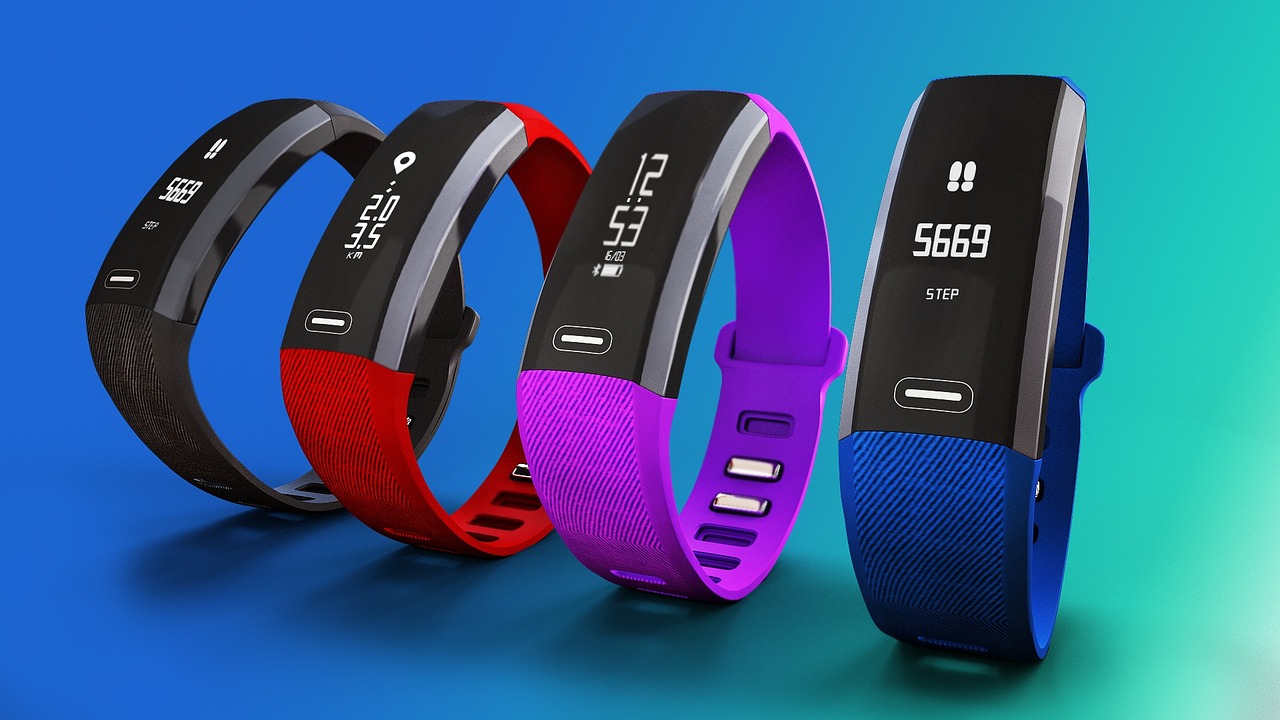
Setting up a heart rate monitoring system can significantly help in tracking your workouts. Start by investing in a reliable heart rate monitor, as it provides real-time feedback. Standard chest strap monitors offer the most accurate readings, while wrist-based monitors provide convenience and ease of use. Create a fitness plan utilizing heart rate zones, ensuring workouts align with your goals. For example, combine resistance training with cardiovascular exercises to enhance strength and endurance. Consider scheduling different workouts throughout the week, allocating specific days for targeted heart rate training. After each session, analyze data to assess performance and recovery. Track how long you spent in each zone and adjust future workouts accordingly. Providing consistency fosters progress tracking over weeks or months, offering a clear picture of improvements. Additionally, keeping a workout log to document feelings after each session will help identify patterns. This can further enhance motivation and retention of newfound fitness habits. Using heart rate monitoring not only boosts performance but helps develop a deeper connection with your body’s responses during various exercises.
Benefits of Heart Rate Monitoring
The benefits of heart rate monitoring extend far beyond simple tracking. One key advantage is increased workout safety, ensuring you remain within a healthy and safe intensity level during exercise. Monitoring heart rate helps recognize signs of overtraining and fatigue, preventing potential injuries. Also, it encourages accountability and consistency in workouts, leading to better adherence to fitness plans. Incorporating heart rate training helps individualize workouts based on personal fitness levels rather than generalized routines. Thanks to this personalization, you can focus on specific goals tailored to your needs. Heart rate monitoring also enhances motivation by providing visual feedback on progress. It can inspire individuals to push further based on heart rate data collected during challenging workouts. Regularly pushing into the right heart rate zones leads to noticeable improvements over time. Moreover, it educates individuals about how their bodies respond to varying intensities, teaching mindfulness and body awareness. All these factors collectively contribute to establishing a sustainable physical activity habit that promotes overall better health and well-being.
In the realm of fitness and health, tracking and monitoring heart rates significantly inform personalized health strategies. Establishing a baseline through initial testing of heart rate zones provides valuable reference points for future workouts. These strategies can be fine-tuned to optimize performance while avoiding burnout risks. Evaluating progress based on heart rate data allows goal-setting to be practical and achievable. Small victories matter, too, so celebrating minor milestones contributes to sustained motivation. Engaging in discussions with fitness professionals or trainers can also enhance heart rate training plans. They often provide insights into adjusting your training to maximize results based on goals. Additionally, developing a community-focused atmosphere for accountability can keep you motivated on your fitness journey. Group fitness classes often incorporate heart rate monitoring, allowing participants still to learn together while improving their personal goals simultaneously. Online groups and forums can extend motivation and connection outside the gym environment, honing in on goal accountability. As you navigate this path, remain focused on long-term lifestyle changes rather than mere short-term results for achieving a healthier lifestyle.
Conclusion: Committing to Monitoring Progress
Committing to regular heart rate monitoring is essential for anyone serious about achieving fitness goals successfully. Adopting technology imbued with heart rate monitoring features allows individuals to create a fitness culture focused on improvement and awareness. Documenting training sessions reveals patterns that highlight your unique responses to varying intensities. Learning to adjust your exercise efforts based on these responses encourages long-term progress. To reap the maximum benefits, ensure you’re consistent in updating and refining workout goals based on heart rate data collected. Diverse training strategies targeting multiple zones keep routines fresh and engaging while maximizing results. Committing to heart rate tracking assists in developing a responsible relationship with your health and well-being. As you gain experience in understanding your body’s cues, confidence in setting and achieving fitness milestones improves. Tracking heart rate ultimately serves as an empowering tool, turning abstract health concepts into tangible, visible outcomes. Prioritizing progress over perfection enables you to cultivate a lifestyle rich in health-conscious choices. Continuously monitoring progress cements effective habits that promote lifelong commitment to fitness and overall wellness.