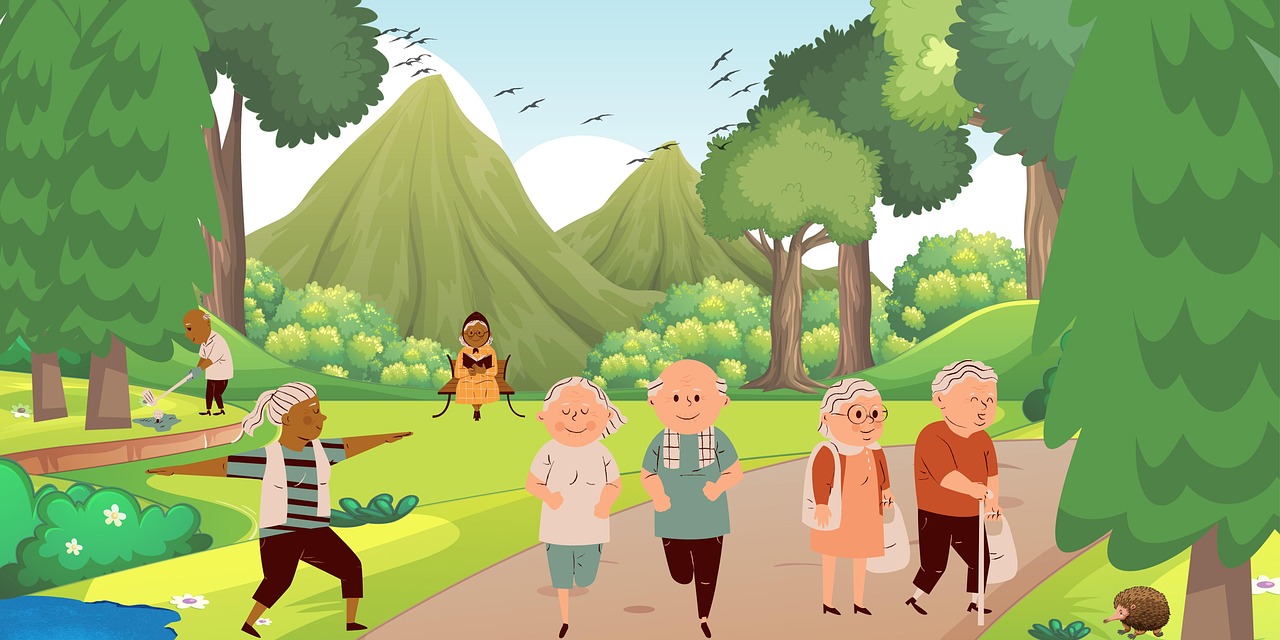

Motivating Seniors to Overcome Fitness Barriers
Fitness is essential for older adults, yet many face unique challenges that can deter them from pursuing an active lifestyle. Addressing these barriers requires understanding their fears and motivations. Many seniors may have physical limitations or health concerns that make exercise daunting. Additionally, psychological factors such as fear of injury or previous experiences can also inhibit participation. To help seniors overcome these concerns, it’s crucial to provide supportive environments. Encouragement from family, friends, and communities plays a vital role in motivating older adults to engage in fitness activities. It is equally important to emphasize the benefits of exercise, including improved mobility, reduced risk of chronic diseases, and enhanced mental well-being. Engaging older adults through tailored fitness programs that consider their abilities fosters a sense of accomplishment and confidence. Community centers and fitness studios can create group classes designed specifically for seniors; for instance, gentle aerobics, yoga, or strength training sessions. Understanding individual preferences in exercise styles can optimize motivation and ensure adherence to physical activity routines. Finally, celebrating small victories can greatly enhance self-esteem and encourage ongoing participation in fitness efforts among seniors.
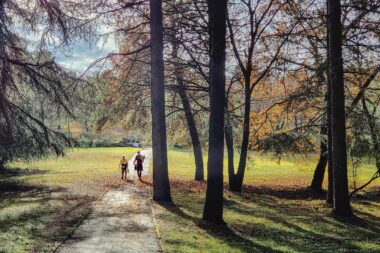
Another significant barrier often encountered by seniors is limited access to resources. Acknowledging this issue is crucial; many older adults don’t have convenient access to gyms or community centers, which can discourage active lifestyles. To tackle this challenge, it’s helpful to explore options such as mobile fitness classes or community-organized activities that bring programs directly to neighborhoods. Equally important is promoting at-home fitness routines that seniors can perform with minimal equipment or space. Online classes and instructional videos can enhance engagement by providing easy-to-follow, adaptable workouts. Another effective option is offering classes at local parks or public spaces. This approach not only increases accessibility but also fosters social interaction among participants. Moreover, educational initiatives can assist seniors in understanding the importance of maintaining an active lifestyle. By integrating informational workshops into community resources, older adults can learn how to develop personalized fitness plans tailored to their goals. Moreover, collaboration with healthcare providers can also ensure the safety and appropriateness of exercise choices. Creating a positive fitness culture can empower older adults to overcome barriers and improve their overall well-being and health.
Building a Supportive Community
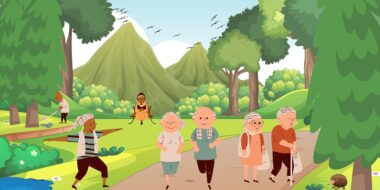
The role of community in motivating seniors to pursue fitness cannot be overstated. Building social connections can greatly enhance adherence to exercise programs. Participating in group activities fosters friendship, provides emotional support, and creates accountability among peers. For instance, walking clubs can encourage seniors to get outside and be active while enjoying each other’s company. In addition, classes designed specifically for seniors can help ease feelings of intimidation often associated with fitness environments. Community centers and local organizations play a vital role in creating a welcoming atmosphere where seniors feel comfortable participating. Instructors trained to work with older adults can ensure exercises are suitable and modifications are available. This professional guidance can greatly enhance confidence and promote safety. Additionally, cultural sensitivity should be considered when designing programs, as inclusivity encourages participation. Highlighting success stories from community members can also inspire seniors to take their fitness journeys into their own hands. This sense of belonging and shared experience cultivates motivation, as seniors witness the positive impact of consistent activity on their peers.
The psychological aspects underlying fitness participation are equally significant. Many older adults experience feelings of isolation or loneliness, which can affect their overall motivation. Combining social engagement with fitness activities creates a dual benefit for mental health and physical well-being. Mindfulness practices, such as Tai Chi or gentle yoga, can enhance mental clarity while improving physical fitness. Introducing friendly challenges, fostering positive competition among peers, and encouraging shared goals can amplify the impact of group activities. Focusing on personal achievements, however small, can empower seniors and cultivate a mindset geared toward progress. As challenges progress and fitness levels improve, older adults may become inspired to explore new interests within the fitness realm. Overall, promoting a balanced approach to wellness that embraces both community and psychological support is paramount. In culmination, by addressing psychological troubles, offering accessible options, and fostering environments where connections can flourish, seniors can conquer barriers to fitness. This multi-pronged strategy can transform their relationship with physical activity and empower lasting behavioral change.
Setting Realistic Goals
Setting realistic fitness goals is a practical step towards motivating older adults. When seniors approach their fitness journeys with clear and attainable objectives, they are more likely to experience success. These goals should be Specific, Measurable, Achievable, Relevant, and Time-bound (SMART). For example, a senior might aim to walk for ten minutes a day, three times a week for the next month. Gradually increasing this target promotes a sense of achievement that encourages adherence to fitness routines. Additionally, it is vital to adjust expectations based on individual capabilities and health conditions. Healthcare providers can assist seniors in establishing personalized plans incorporating fitness levels and physical limitations. Furthermore, tracking progress through simple tools, such as journals or fitness apps, can enhance motivation and accountability. Celebrating victories, whether they are completing a workout or meeting a weekly goal, reinforces positive behaviors. This acknowledgment fosters motivation and supports long-term commitment toward fitness endeavors. Therefore, a personalized approach combined with regular check-ins with instructors or health professionals can sustain motivation and drive continued progress in older adults.
A crucial aspect of motivating seniors to engage in fitness activities revolves around incorporating enjoyment into their routines. The traditional notion of exercise can often deter participation due to physical discomfort or boredom. To counteract this perception, focusing on activities that seniors genuinely enjoy is essential. This could include dance classes, gardening, swimming, or any hobby that entails movement. Encouraging exploration of different options allows individuals to find their passion while maintaining physical activity. Group fitness classes that emphasize fun can lead to increased participation. Additionally, practicing varied terrains or environments allows seniors to stimulate their interest and break monotony. Playing games or friendly competitions can make fitness feel less like work and more like leisure. Above all, laughter and enjoyment play significant roles in creating positive associations with physical activity. Joining community programs that incorporate social interaction further encourages seniors to embrace an active lifestyle. Engaging in enjoyable practices not only improves physical well-being but also impacts mental health positively. Thus, fostering a fun-focused approach in fitness regimens can support older adults in overcoming barriers and building lasting healthy habits.
Available Resources and Services
Awareness of available resources is crucial in guiding older adults toward fitness participation. Connecting seniors with local resources ensures they have the information needed to pursue their fitness goals. Community centers, recreational facilities, and non-profit organizations often offer programs tailored for older adults. Documenting or communicating these available services can empower seniors to take the first step toward fitness. Local parks offering outdoor exercise opportunities can also be highlighted, along with any age-specific fitness classes. Moreover, many online platforms provide instruction and guidance for at-home workouts, aiding those with limited mobility or those who prefer privacy. Collaborating with local healthcare providers to distribute educational materials can enhance awareness of safe and effective exercises. Building a comprehensive directory of local fitness resources can strengthen community support while encouraging active lifestyles. Additionally, informing older adults about safety measures, such as warm-up routines or proper hydration practices, encourages safer participation. Ultimately, facilitating easy access to information and resources promotes commitment, inspiring seniors to engage actively and embrace fitness as a fundamental part of their daily lives.
Conclusion
In conclusion, motivating seniors to overcome fitness barriers involves a multifaceted approach that encompasses psychological, social, and physical dimensions. By addressing fears and promoting accessible resources, older adults can engage in fitness activities tailored to their needs. Building supportive communities helps combat isolation while fostering motivation through social connections. A focus on setting realistic goals can empower seniors to take ownership of their fitness journeys, cultivated through personal achievement and consistent progress. Additionally, by incorporating enjoyable elements into fitness routines, older adults are more likely to adhere to their programs. Accessing local services and educational resources adds another layer of support, leading to improved adherence and lasting lifestyle changes. By ensuring that aids are in place and promoting a culture of fitness, seniors can not only transform their physical health but also elevate their overall quality of life. Through collaboration among communities, healthcare providers, and fitness instructors, we can create environments that encourage older adults to embrace active living. As we empower seniors to overcome barriers, we contribute to a healthier and more vibrant aging population, ultimately benefiting society as a whole.