
How to Tone Your Glutes and Thighs Without a Gym
In today’s fast-paced world, finding time for the gym can be challenging. Luckily, lower body workouts can be effectively performed at home with minimal equipment. Toning your glutes and thighs can be achieved through a combination of strength exercises and proper technique. Emphasis will be placed on bodyweight exercises which not only cater to convenience but also offer an excellent opportunity to build strength and endurance. You’ll need a small space and possibly a yoga mat for comfort. Additionally, consistency is key to seeing results in your fitness journey. Aim to dedicate at least 30 minutes to getting your heart rate up and engaging those lower body muscles. Create a weekly routine that incorporates various movements targeting the glutes and thighs, focusing on building overall muscle tone and definition. Always ensure you warm up with dynamic stretches to prevent injuries as you move into your workout routine. Some popular exercises can be modified to suit your level and progression. With commitment and the right exercises, you can achieve great results in the comfort of your own home.
Effective Bodyweight Exercises
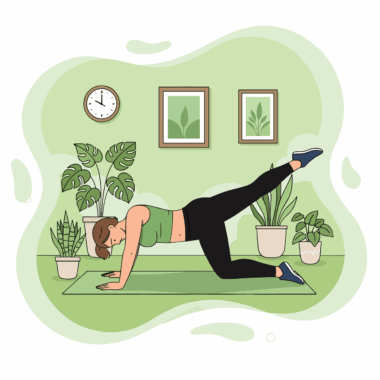
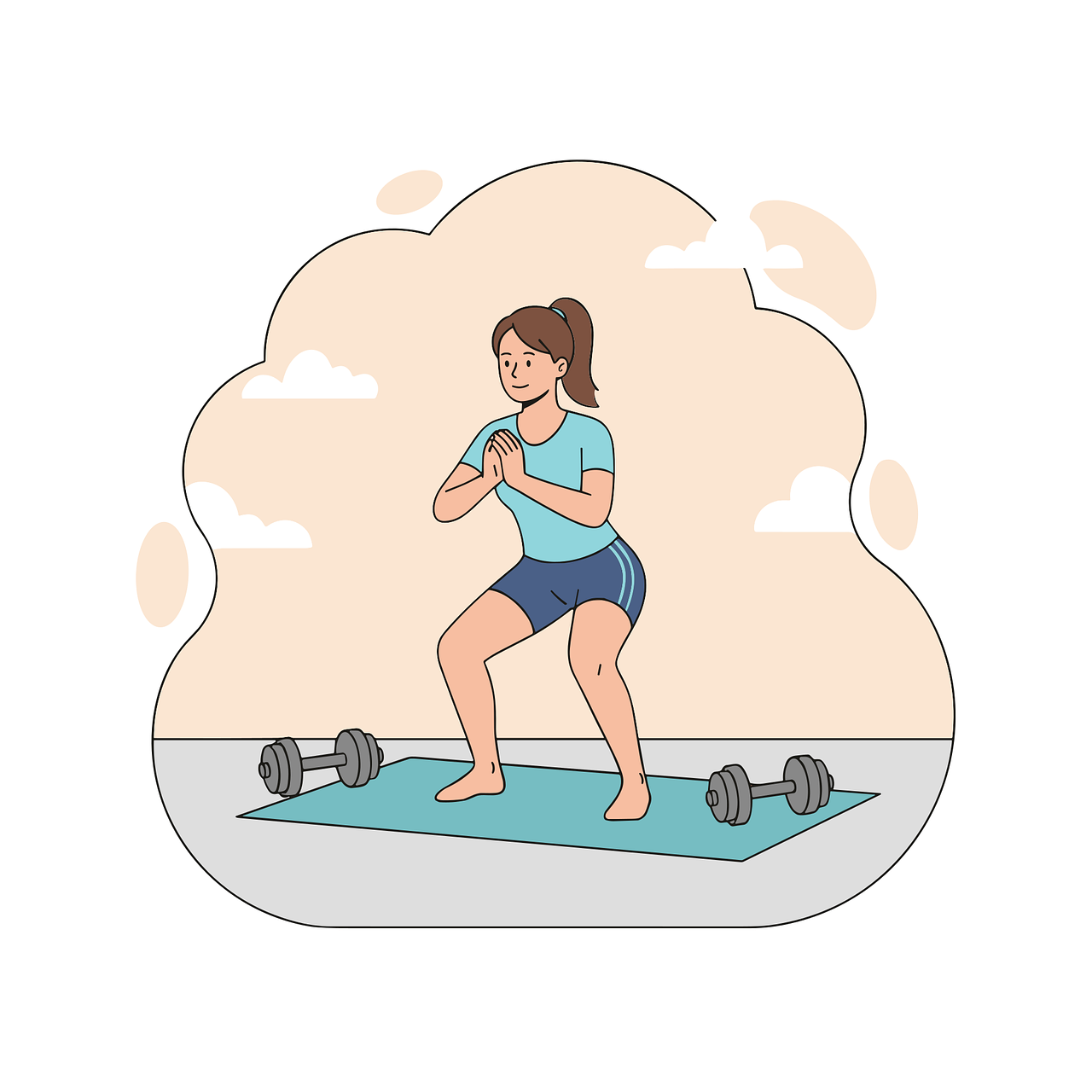
Bodyweight exercises are one of the most effective ways to tone your glutes and thighs without any additional weights. Squats are a fundamental exercise that targets these areas effectively. You can start with basic squats and progress to jump squats or single-leg squats for added intensity. Lunges are another excellent exercise, strengthening the legs and promoting balance. Consider adding lateral lunges or reverse lunges to diversify your routine. Glute bridges engage the core while focusing heavily on the glutes, making them a must-add. Lateral leg raises can also effectively isolate the glute muscles. Incorporate wall sits into your routine to challenge both mind and body, as they enhance muscle endurance. Performing these exercises in sets of 10 to 15 repetitions is ideal. Taking short rest periods between sets ensures a productive workout session, allowing your muscles to recover while maintaining heart rate. Keep your movements controlled and strong. Remember, proper form is crucial in preventing injuries and gaining maximum benefits. Gradually aim to increase the intensity as you become more comfortable with each movement to keep your muscles challenged and engaged.
Implementing resistance bands into your lower body workout can provide an additional challenge to your muscles. They can enhance a typical bodyweight workout by adding more resistance without requiring bulky weights. Banded squats or banded walks effectively increase the intensity of traditional exercises, targeting the glute medius and maximally activating the muscles. To perform a banded squat, place the resistance band just above the knees and ensure your knees do not cave inward while squatting. This helps maintain proper form and provides the added resistance needed for optimal muscle engagement. Resistance band leg curls can also isolate the hamstring muscles, creating a balanced appearance in your legs. Similarly, the band can be used during lateral raises to add an extra layer of difficulty. Aim to incorporate resistance bands into your routine two to three times per week. Combining bodyweight exercises with bands allows for diverse workouts designed to tone your glutes and thighs effectively. Tracking your progress can further motivate you as you witness the improvements in strength and endurance, setting you on the path to success.
Creating a Balanced Routine
It is essential to create a balanced workout program focusing on both strength and flexibility. Incorporate various lower body movements to promote overall muscular development. Include exercises that target all aspects of the glutes and thighs, such as quads, hamstrings, and inner thighs. Begin each session with a warm-up consisting of dynamic stretches such as leg swings and butt kicks. Once warmed up, consider alternating between strength and endurance workouts. For a comprehensive session, follow a pattern of strength training exercises, followed by a cardiovascular movement like jumping jacks or high knees, to keep your heart rate elevated. This combination enhances calorie burn while toning your body. You can also include core exercises to improve stability in your workouts. Engaging the core is crucial as strong core muscles support better movement patterns throughout your exercises. Spend a few minutes stretching after your workout to aid recovery and improve flexibility. Over time, you will build muscle definition and improve overall aesthetic appeal. Remember, consistency is critical, so aim to do your workouts at least three times a week while allowing ample recovery time in between sessions.
Nutrition plays a pivotal role in achieving toned glutes and thighs. Ensure that your diet complements your workout regimen, focusing on whole food sources with balanced macronutrients. Incorporating a variety of vegetables, lean proteins, healthy fats, and whole grains will support your fitness goals. Prioritize protein as it aids in muscle recovery and growth. Consider options like chicken, fish, tofu, and legumes for adequate protein intake. Healthy fats from sources like avocados and nuts are also essential as they provide energy for your workouts and stimulate cell growth. Staying adequately hydrated is equally crucial; drinking plenty of water will support optimal performance during your workouts and assist with recovery afterward. Be mindful of your portion sizes to avoid excessively high caloric intake. Planning meals around your workouts—eating a light snack pre-workout and a protein-rich meal afterward—can enhance your results. Keep track of your progress by noting changes in strength, endurance, and physical appearance. A balanced nutrition plan will not only help with muscle definition but will also improve overall energy levels and well-being as you work toward achieving your goals.
Staying Motivated
Staying motivated on your fitness journey can sometimes be the biggest challenge. Set realistic and achievable goals that offer clear direction on what you wish to accomplish. Begin with short-term goals, such as completing a specific number of workouts per week or performing a new exercise. Small victories can greatly enhance your motivation levels, encouraging you to keep pushing forward. Consider keeping a workout journal to track your progress; noting down the reps achieved or new personal records can be incredibly gratifying. Joining online workout communities or following a fitness influencer can provide inspiration. Social support plays a vital role in maintaining commitment to your fitness routine. Share your goals with friends and family as they can offer encouragement and accountability. Mix in challenges, such as monthly fitness challenges or buddy workouts to switch things up and keep your routine exciting. Lastly, focus on enjoying the process rather than solely on results. Finding joy in your workout regime can create a more enjoyable experience. With the right mindset and supportive community, you’ll be well on your way to achieving toned glutes and thighs from home.
Rest and recovery are crucial elements often overlooked in a home workout program. Sufficient rest allows your muscles to repair and grow stronger. Aim to include at least one to two rest days each week, deciding based on your workout intensity and personal comfort. Proper sleep is also essential; aim for 7 to 9 hours of sleep per night to ensure your body is well-rested for the upcoming workouts. Consider integrating active recovery days which may include low-intensity activities such as walking, yoga, or stretching. These techniques keep your body moving without straining and helps to enhance flexibility and posture. Incorporating foam rolling or self-myofascial release will aid in muscle recovery post-workout, alleviating soreness and improving circulation. Listen to your body throughout your fitness journey. If feeling fatigued or experiencing any discomfort, take the necessary time off to recover. Investing time in recovery practices can lead to more effective workouts in the long term. Always remember that consistency, motivation, and proper recovery are just as vital as any exercise performed when it comes to achieving your goals of toned glutes and thighs.
Finally, celebrating your progress is essential for sustaining motivation. No matter how small the win, acknowledge your achievements. Whether it’s completing a workout without stopping or noticing physical changes, recognizing these milestones can boost your self-esteem. Consider taking progress pictures to visualize your journey over time. This can be incredibly rewarding and help maintain your motivation levels. Reward yourself for achieving specific goals; this can be a small treat or a relaxing day dedicated to self-care activities like a spa day at home. Engage with friends or online communities to share your journey, exchange advice, and celebrate one another’s achievements. Having a support system can enhance accountability and create a sense of belonging. Acknowledge that setbacks are normal in any fitness journey; they may require you to re-evaluate goals or make adjustments. Staying adaptable is key while remaining committed to your overall aims. With perseverance and dedication, you are capable of reaching your goals. Keep pushing forward, and always remember to enjoy the process. Toning your glutes and thighs at home can yield beautiful results with the right mindset and committed effort over time.