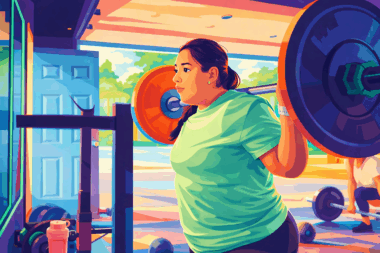

How to Overcome Plateaus in Women’s Weightlifting Training
Plateaus in weightlifting can be discouraging, particularly for women aiming to enhance their strength and physical form. It’s imperative to recognize that stagnation is a natural part of any training regimen. First, the body adapts to the stress placed upon it, which may lead to diminished progress. Acknowledging this can help transform frustration into a renewed focus on strategies that can reinvigorate one’s training. One effective approach is to alter the training program every few weeks. Such changes might include varying the number of sets, repetitions, or even switching out specific exercises altogether. These adjustments can shock the muscles and stimulate growth. Additionally, keep a log of your lifting sessions and review your progress. By tracking your improvements, you can identify where you may be consistently failing to increase weights or recapture prior gains. Nutrition also plays a key role. Ensure you’re consuming sufficient protein and calories to support recovery and muscular demands. Create a balanced diet that fuels your workouts effectively while also encouraging muscle repair after sessions. Prioritize quality over quantity, and always listen to your body.
In addition to adjusting workout techniques, consider incorporating different types of training into your routine. Strength training can significantly benefit from a mix of modalities like resistance bands, bodyweight exercises, and free weights. Each method has unique advantages that can prevent boredom and ensure comprehensive muscle engagement. This variety challenges muscles in new ways, enhancing strength and endurance. Another approach to defeating plateaus is to focus on rest and recovery. Women, in particular, may underestimate the necessity of downtime. Without adequate rest, muscles don’t fully repair, which stunts growth and can lead to injury. Therefore, schedule regular rest days and consider implementing lighter weeks in your training cycle. Cross-training can also be effective; engaging in different athletic pursuits enhances overall fitness and can help break through hurdles. Activities such as swimming, cycling, or yoga can improve flexibility and balance while providing a mental refresh. Mental strategies are equally vital. Setting smaller, achievable goals can motivate continual progress. Building on small victories can encourage further dedication towards long-term success in weightlifting.
Implementing Progressive Overload
One of the most effective ways to push past plateaus is by focusing on progressive overload. This principle entails gradually increasing the weight, frequency, or number of repetitions in your training to continuously challenge your muscles. For female athletes, this might mean slightly adding weight each week or adjusting the intensity of workouts. However, these increases should be incremental to prevent injury. A good rule of thumb is to never increase load by more than 5%-10% at a time. This helps ensure your body has adequate time to adjust and strengthen accordingly. Furthermore, focusing on fixing weaknesses can also aid in breaking plateaus. Identify areas where your form may falter or where you struggle during lifts. Many women might experience issues specific to certain movements, and addressing these can significantly enhance performance. Work with a coach or engage in a workshop to refine your technique. Engaging in exercises that target specific weaknesses through isolation work can also prove beneficial. Targeted activities not only strengthen the identified areas but can lead to overall nimbleness and fluidity in lifting tasks.
Nutrition adjustments can also emphasize overcoming weightlifting plateaus. Busy lifestyles often result in inadequate nutrition, impacting performance. Understanding macronutrients is essential; a good balance of carbohydrates, fats, and proteins ensures optimal energy levels. For weightlifters, protein intake should be consistent to support growth and recovery, with recommendations suggesting about 1.6 to 2.2 grams of protein per kilogram of body weight daily. Incorporate nutrient-rich foods such as lean meats, legumes, nuts, and whole grains into your meals. Moreover, staying hydrated is crucial. Many women fail to drink enough water, which can lead to fatigue and diminished strength. Aim for at least eight glasses of water per day to ensure adequate hydration levels, especially during training sessions. Another nutritional strategy to consider is timing your meals. Consuming a protein-rich snack or meal about thirty minutes before and after workouts can optimize energy levels while promoting recovery. Consistency in both training and nutrition can work synergistically, leading to breakthroughs in performance and progress.
Utilizing Mental Focus Strategies
Cultivating a strong mental game is equally important in surpassing weightlifting plateaus. Developing focus techniques can vastly improve performance and enhance the quality of workouts. Visualizing success before lifting creates a positive mindset that translates into physical performance. Spend some time imagining the weights you intend to lift and rehearsing proper form mentally. This visualization technique helps build confidence and clarifies your goals. Deep-breathing exercises can also be beneficial. Practicing these techniques prior to training can center your thoughts and minimize anxiety, allowing for improved concentration. Journaling your experiences in the gym or your weightlifting journey can highlight patterns and areas for growth. Documenting thoughts, feelings, and outcomes can provide insight that may lead you to resolve barriers. Finding a workout partner can foster accountability. Lifting with someone else allows for mutual motivation and encouragement. Share each other’s achievements to uplift spirits when faced with these inevitable training plateaus. Don’t forget the strength of human connection; surrounding yourself with supportive individuals can be a game-changer.
Experimenting with different lifting techniques can also breathe new life into your training. For instance, incorporating pause sets, negatives, or explosive lifts can challenge the muscles differently. These types of lifts promote engagement in different areas of the muscle, leading to enhanced strength and preventing stagnation. A transition from traditional lifts to variations also keeps training entertaining and engaging. Moreover, consider asking for feedback on your lifting form from trainers or experienced lifters. Sometimes, small adjustments made to technique can unleash potential that was previously unrealized. Focus on improving every aspect of your workouts, from nutrition to form and recovery. Regular evaluations can provide insight into your development, guiding you through the necessary changes to keep progressing. Last but not least, embrace the journey rather than fixating solely on results. Celebrate the small victories along the way. Progress may not always be linear, but recognizing improvements can tremendously bolster motivation and commitment over time. Enjoy the process, seek support when needed, and remain persistent, and success in women’s weightlifting will undoubtedly follow.
In conclusion, overcoming plateaus in women’s weightlifting is not just about physical adjustments; it encompasses a holistic approach. Consider modifying your workout routines, enhancing nutritional habits, and employing mental focus strategies. Engaging in cross-training, focusing on progressive overload, and ensuring adequate recovery magnifies efforts. Fatalistic views towards stagnation can be a barrier to success. Stay informed about best practices in weightlifting to continue seeing results. It’s crucial to remember that progress is a journey filled with ups and downs. The key lies in managing plateaus effectively through smart training, proper nutrition, and a resilient mindset. Along the way, don’t hesitate to celebrate the progress you do achieve. Your dedicated efforts will result in strength and achievement in women’s weightlifting. Surround yourself with a supportive community, learn from setbacks, and remain resilient. Embrace everything you’ve learned and put those lessons into practice. As you move forward, you will undoubtedly break through barriers previously thought to be insurmountable. Trust the process and keep lifting; your goals await!