
How to Support Loved Ones Struggling with Diastasis Recti
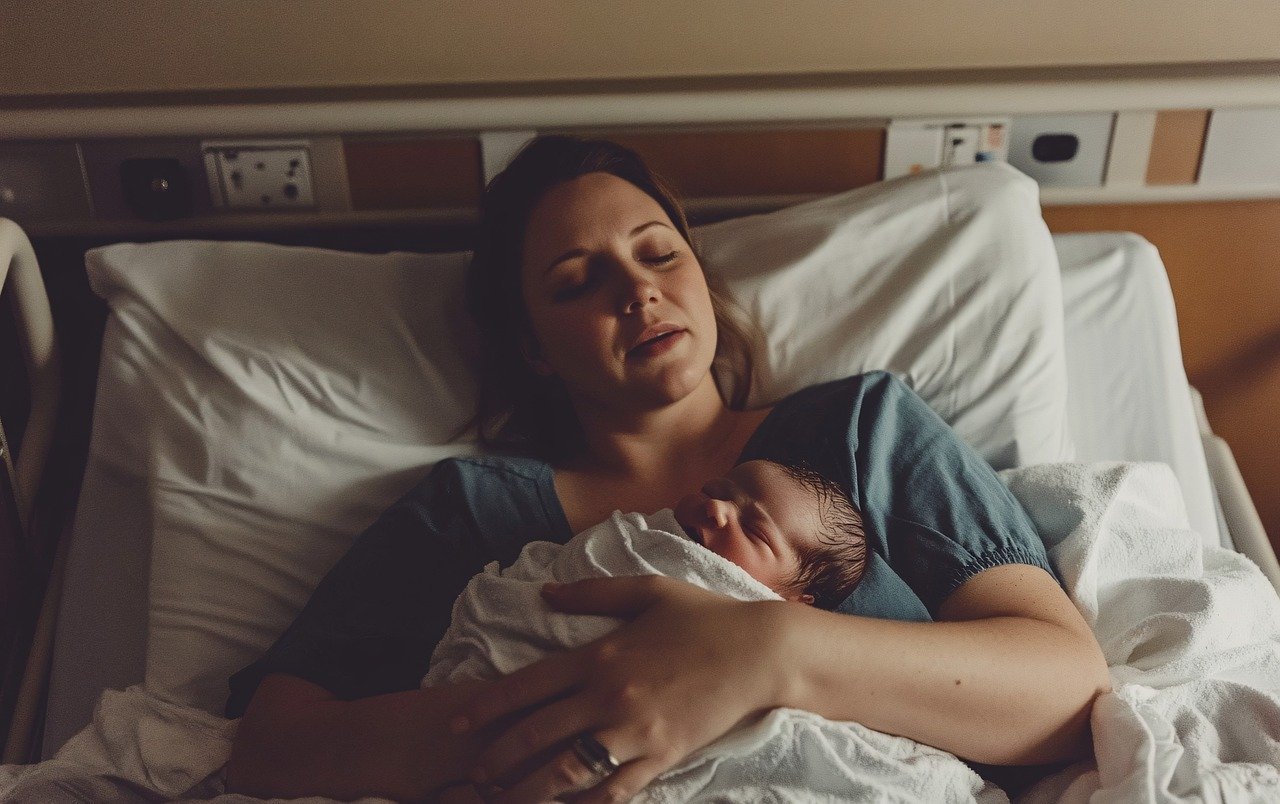
Diastasis Recti is a condition that impacts many postpartum women, manifesting as a separation of the abdominal muscles. Understanding this condition is the first step in supporting loved ones. It’s important to educate yourself about the signs of diastasis recti, such as a noticeable gap in the midline of the abdomen, changes in posture, and lower back pain. Encouraging your loved ones to consult a healthcare provider who specializes in postpartum recovery can lead them to receive the right treatment. Support can also come in the form of emotional encouragement, reminding them that they are not alone in this journey. This condition is common, and acknowledging it can help normalize their experience. Offering to assist with exercises prescribed by a physiotherapist can make a tangible difference. Simple acts like preparing healthy meals or taking care of household chores can allow them more time to focus on their recovery. Additionally, joining a support group with other women experiencing similar challenges can promote a sense of community. Building a strong support network can be vital for emotional and physical healing.
Encouragement to bind the abdomen after giving birth can provide comfort and aid in healing from diastasis recti. This practice, known as belly binding, can give a sense of support to the abdominal region, promoting better posture and reducing discomfort. Suggesting that your loved one invest in a comfortable, supportive binder can be beneficial. There are many options available on the market, but it’s vital to choose one recommended by a healthcare provider. Reassuring them about their progress is crucial. You might want to help them track their journey by keeping a journal of their exercises and how they feel day-to-day. This reflection not only assists in recovery but can also boost their motivation. Be patient and acknowledge small successes; each step counts toward recovery. Support in physical fitness training can additionally empower them. Consider attending workout classes together that focus on core recovery and pelvic floor strengthening. Activities like yoga and Pilates can promote healing while encouraging bonding time. Maintaining consistency in such practices while being a wash of understanding can truly uplift someone dealing with this common postpartum concern.
Promoting Healthy Discussions about the Body
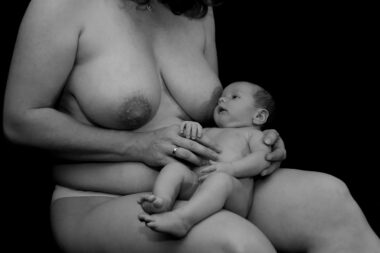
Creating an open dialogue around body image is crucial when supporting someone with diastasis recti. Encourage honesty about their feelings toward their body post-partum. Invite conversations that allow them to express any insecurities or frustrations without judgment. By cultivating a safe space, others will feel more comfortable sharing their struggles. Being an attentive listener can show your commitment to their emotional wellness. Reflecting back their thoughts can validate their experiences while showing you understand. Discussions can also include the societal standards of body image, which can often weigh heavily on new mothers. It might help to share articles or resources that promote body positivity. For instance, follow platforms that focus on realistic portrayals of postpartum bodies, which can provide motivation and normalize their journey. Positivity in discussions encourages acceptance of the body changes that come after childbirth. Additionally, offering positive affirmations can bolster their self-esteem significantly. Remind them that their bodies have accomplished something incredible. Expressing kindness and empathy creates an environment that nurtures healing and improves mental health.
Being proactive about fitness is another critical aspect when supporting someone with diastasis recti. Engaging in conversation about the importance of gentle, guided exercises tailored for this condition can play an influential role. Recommend visiting physical therapists who specialize in postpartum care. They can provide customized regimens focused on healing. Gentle exercises like pelvic tilts and modified planks can help strengthen the core muscles. Encouragement in these activities can foster confidence and highlight the joy of physical activity. Sharing some safe at-home workout resources can also be helpful. Websites or apps that feature instructional videos specifically for diastasis recti can make it easier to maintain a regular routine. If you’re willing, suggest working out together, as this not only facilitates accountability but also reinforces emotional support. Additionally, gradually integrating walking as a daily exercise can boost their overall well-being. It’s a gentle way to increase stamina while encouraging outdoor time. Celebrate their physical achievements, no matter how small they may seem. Every effort towards recovery should be recognized, enhancing motivation to continue progressing.
The Role of Nutrition in Recovery
Nutrition plays a significant role in recovery from diastasis recti and should not be overlooked. Encourage your loved one to maintain a balanced diet rich in nutrients tailored to promote healing. Foods high in protein can aid muscle recovery, while fiber-rich foods can help alleviate postpartum digestive issues. Collaborating on meal planning or cooking together can make this process enjoyable and create quality time. Introducing colorful veggies and whole grains into meals enhances the intake of essential vitamins and minerals. It may also be beneficial to focus on hydration; drinking enough water promotes overall health and aids digestion. Perhaps share smoothie recipes that contain ingredients supportive of recovery, such as spinach, bananas, and protein powders. You could also suggest avoiding processed foods that tend to be high in sugars and unhealthy fats, which can impede healing. Keeping healthy snacks available throughout the day can encourage wise dietary choices. Encouraging mindful eating can create a deeper connection with their dietary habits. Recognize the individual’s preferences to ensure that meals are enjoyable, enhancing their compliance and delight in the nutrition journey.
Addressing mental health is another essential component of supporting recovery from diastasis recti. It’s crucial to recognize that emotional well-being directly impacts physical healing. Be conscious of the signs of postpartum depression or anxiety, which can intertwine with physical recovery. If you notice changes in mood, suggest seeking help from a mental health professional who specializes in postpartum care. Sometimes, a simple conversation can provide immense relief and encouragement. Encouraging self-care practices can also significantly help in this area. Activities like journaling, engaging in hobbies, or even practicing mindfulness can foster a positive mindset. Consider exploring local classes together, such as breathwork or relaxation techniques. It might be beneficial to schedule moments together for wellness activities that include relaxation or self-care. Promoting the idea that taking time for themselves is not selfish can pave the way for mental rejuvenation. Remind your loved one that working on emotional health is equally as important as physical recovery. Maintaining an open dialogue surrounding these feelings fosters connection and support, highlighting they are not alone in their journey.
Long-Term Recovery and Lifestyle Adjustments
Understanding that recovery from diastasis recti can be a long-term journey is crucial for those supporting loved ones. It requires patience and commitment, not just in terms of exercise but lifestyle adjustments as well. Educating about safe, long-term practices can empower them in maintaining abdominal health beyond the immediate postpartum period. Encourage them to adopt a mindset of gradual improvement instead of rapid recovery. Suggest periodic visits to healthcare professionals for assessments, helping track progress effectively. Continuous support can instill a positive outlook on their recovery journey. Remind them of the importance of maintaining healthy exercise and nutritional habits. Jointly discovering activities that enhance both physical and emotional well-being can forge lasting bonds. Finding enjoyable workouts, such as dance classes or hiking, can be an excellent way to stay active while keeping fitness fun. Additionally, emphasize cultivating a sense of community through groups focused on postpartum recovery or general fitness. Sharing experiences with others in similar situations promotes accountability and equality. Being there to celebrate milestones alongside them reinforces the significance of journeying together through postpartum challenges.
Engaging in activities that promote well-being extends past physical health; emotional and mental wellness are crucial to recovery. Building a network of support through friends and family can significantly aid in the healing process. Consider creating an environment filled with positive affirmations. This could include crafting inspiring notes and placing them in visible places, creating daily reminders of personal power and potential. Encourage your loved one to express their feelings openly without fear of judgment, as vulnerability strengthens relationships. Understanding their unique struggles and celebrating their identity beyond motherhood can also foster a healthy mindset. Remind them to be kind to themselves during this challenging time. Having compassionate conversations about their experience can normalize their feelings of distress and anxiety. As they move toward recovery, suggesting mindfulness practices such as meditation or yoga can facilitate a healthy connection between the body and mind. Integrating calming activities into daily routines promotes relaxation and reduces stress levels significantly. Additionally, planning meaningful outings where relaxation and enjoyment take center stage can elevate their spirits profoundly. Noting that this journey is a shared experience can lighten the burden, promoting healing for both the supporter and the loved one.