
How to Teach Kids to Enjoy Movement, Not Just Exercise
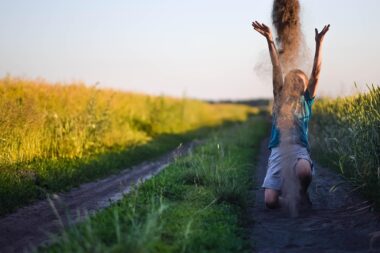
In today’s fast-paced world, encouraging kids to enjoy movement can be quite a task. The focus should shift from viewing exercise as a chore to appreciating physical activity as a joyful part of life. Start by incorporating play into exercises. Use games that require running, jumping, or dancing. This creates a fun atmosphere, making kids excited about moving their bodies. Introduce variety in activities ranging from sports to dance, hiking, or even active video games that encourage movement. Participation should focus on enjoyment rather than competition, fostering a healthy mindset towards fitness. Celebrate achievements, no matter how small. Kids who feel that their efforts are acknowledged will be more motivated to continue participating in physical activities. Explain the benefits of movement in a fun way, creating stories around why being active is important. They could think of it like a superhero power that helps them be stronger and healthier. Always remember, the goal is to instill a lifelong love of movement, not simply a temporary habit of exercising. Encourage them, guide them, and watch as they find joy in movement instead of seeing it as just exercise.
To further enhance kids’ experience with movement, expose them to different forms of physical activity. Allow them to try various sports like soccer, basketball, dance, swimming, or martial arts. Each sport provides unique physical and social benefits. Emphasize the importance of social interactions through group activities. Team sports not only foster skills but also create friendships, making kids look forward to practice sessions. Stress the concept of fun over winning; this helps remove unnecessary pressure. Kids need to feel that it is okay to make mistakes during any activity. Encourage parents to participate alongside their kids in these activities whenever possible. Family-friendly activities like weekend hikes or evening bike rides promote bonding and introduce a lifestyle of health. Utilize technology in a positive way. Consider apps or online platforms that encourage families to be active together through challenges or step competitions. These platforms can engage kids with goals that feel rewarding, making physical activity more appealing. Make sure to provide proper equipment and environment conducive to safety, so kids feel secure while exploring new movements. This supportive approach cultivates an atmosphere of excitement around being active.
Creating a Movement-Friendly Environment
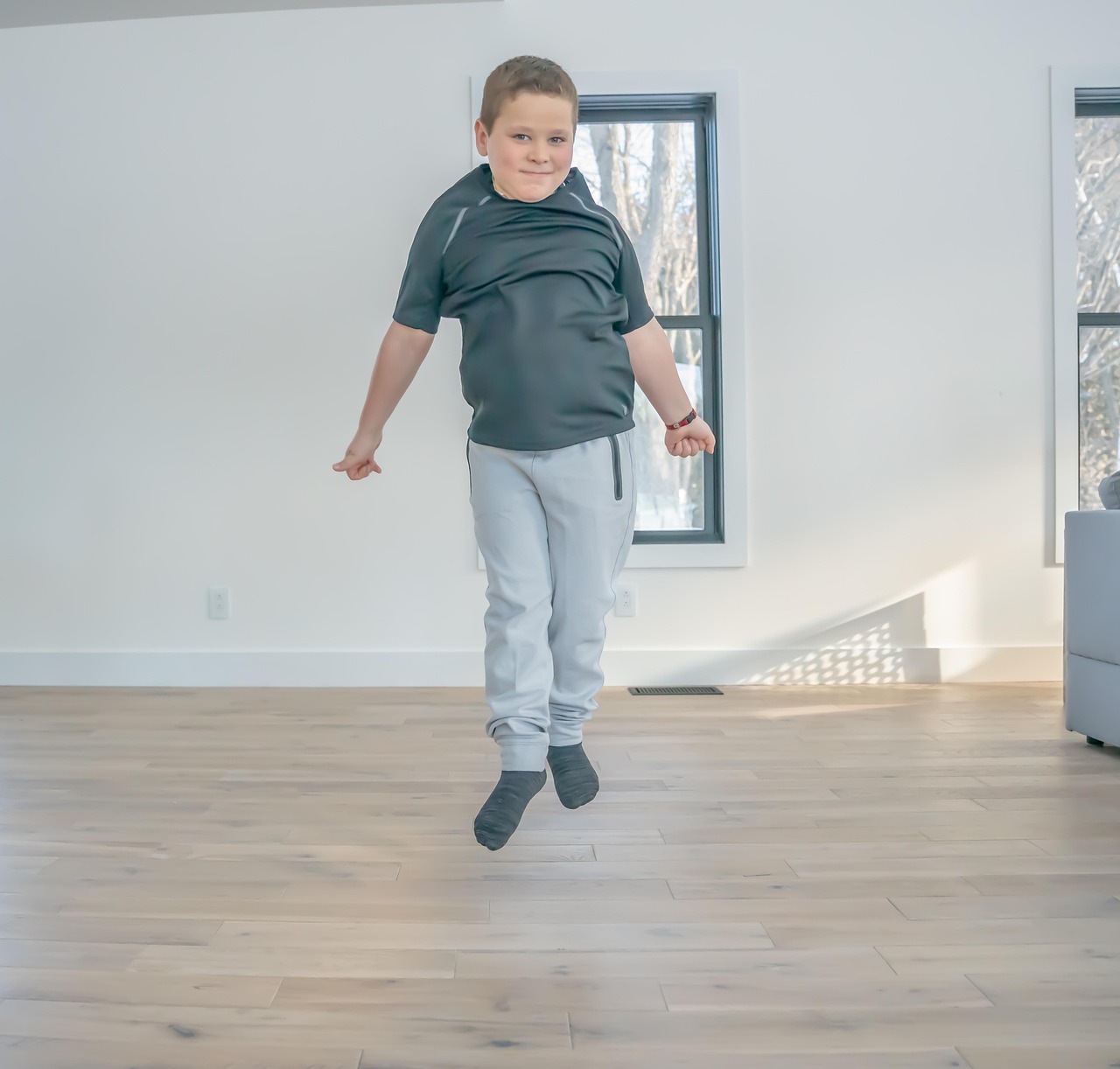
Creating a movement-friendly environment is crucial in encouraging children to engage in physical activity. This means designing spaces at home or in the community where movement is easily integrated into daily life. For instance, consider turning your living room into a mini-gym with exercise balls, mats, and fun equipment. Convert time spent indoors into active experiences by setting up obstacle courses using pillows, blankets, and furniture. Outdoors should be equally inviting, with parks featuring playgrounds, sports fields, or walking trails. Engaging children in outdoor exploration can inspire curiosity while promoting an active lifestyle. Parents should reinforce the value of movement by letting their children spend time in nature, participating in activities that stimulate both their bodies and minds. Limit screen time to encourage more outdoor play. Instead of passive activities, suggest organizing family outings like bike rides, nature hikes, or simply playing catch together. This creates opportunities for children to bond with nature and their families while being physically active. Additionally, incorporating movement breaks during homework or study time keeps children alert and reinvigorated. These strategies help in reshaping daily routines, making movement a natural part of life.
Incorporating fun challenges can spark kids’ interest in movement as well. Organizing family or peer challenges involves creating playful competitions, encouraging not only participation but also teamwork. For example, set a weekly goal for walking or running, where each family member tracks their progress. Celebrate those achievements with rewards or small prizes to motivate everyone, ensuring it remains light-hearted. These challenges foster a supportive environment among friends and families, focusing on cooperation rather than rivalry. Introducing movement-oriented technology can push the envelope further. Using pedometers or activity trackers can gamify fitness, allowing kids to see their progress in real time; this feeling of accomplishment can boost their motivation significantly. Additionally, make use of apps that offer fun exercises or movements as playful adventures, keeping kids engaged. Relate physical activities to famous games, superheroes, or favorite characters to elevate the idea of moving beyond just exercise. When fitness becomes intertwined with fun narratives, kids naturally gravitate towards it. They realize that movement can be entertaining. This love for movement should remain central—ensuring that your children see physical activity as a joyful adventure that enriches their lives.
Building a Positive Mindset
Building a positive mindset surrounding movement is essential to ensure long-term enjoyment for kids. Emphasizing the experiences gained through movement rather than solely focusing on outcomes or achievements helps develop this mindset. Discuss actively how fun interactions and shared experiences during physical activities elevate mood levels and mental well-being. The social aspect of moving together can tremendously impact how kids perceive physical activity. Furthermore, instilling awareness of their bodies during movement through mindfulness techniques will encourage them to connect with what they feel. Activities such as yoga or simple deep-breathing where kids can learn focus and relaxation significantly contribute to positive attitudes towards fitness. Encourage children to set personal goals that reflect their interests rather than external expectations. This nurtures an atmosphere where self-improvement is valued, and satisfaction comes through personal progress. Remind kids that everyone has different preferences regarding movement; what one child enjoys might not appeal to another. Teaching them to find their niche fosters self-discovery and helps maintain their interest. Ultimately, the aim is to build resilience, enabling them to embrace variety and appreciate movement as a joyous part of growing and living.
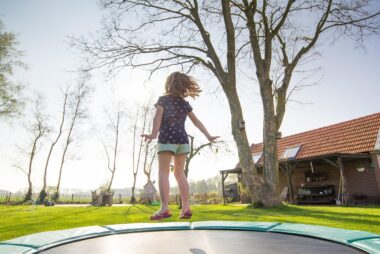
Throughout their development, kids are naturally curious. This passion for exploration can be harnessed to instill motivation in physical activities. To capitalize on this opportunity, turn gameplay into direct experiences of fitness. Surprise them with a spontaneous trip to a trampoline park, climbing wall, or open space for an impromptu soccer match. These unexpected moments resonate positively, creating fun memories tied to movement. Families and caregivers should create opportunities that encourage structured and unstructured play. Having free time for kids to play games on their own fosters creativity while keeping them active. Arrange group playdates that center around active pursuits. Invite friends for a meet-up on playgrounds or drive to a local pool for a day of swimming. Such events not only promote movement socially, but they also cultivate strong relationships. Parents can ask children to suggest activities to promote ownership over their decisions regarding movement. This gives them a sense of control and makes choosing active play more appealing. They will feel empowered to make those choices regularly, which builds routine and commitment towards an active lifestyle.
The Role of Encouragement
Encouragement plays a key role in motivating kids to find enjoyment in physical movement. Parents and teachers should actively show their enthusiasm for children’s activities. Acknowledge their efforts, celebrate milestones, and highlight improvements, no matter how small. Create an ecosystem around your child that continuously rewards effort and persistence. By adjusting their thoughts towards movement, this positivity can be contagious among peers. Encourage them to try new things—be it dance classes, team sports, or adventurous outdoor activities. Support their interests without applying pressure. Providing unconditional support helps eliminate fear or anxiety linked to performance, allowing kids to explore freely. Actively participation from adults demonstrates commitment to staying active, encouraging kids to mirror this behavior. Advocating a healthy work-life balance within family schedules that includes active time promotes awareness that movement isn’t just a ‘once in a while’ occurrence. Regularly discuss the benefits of participation in health and movement to reinforce their experiences and spark curiosity. Kids who feel sustained encouragement are more likely to develop patterns that favor enjoying movement throughout their lives, transitioning seamlessly from childhood to adulthood with healthy behaviors.
Lastly, building family traditions around movement can strengthen the bond between exercise and enjoyment. Scheduling walks or outdoor games as family rituals creates lasting connections through shared experiences. These traditions can include attending local parks for hikes, organizing yearly sports events, or even participating in community fun runs. Involving kids in planning these events reinforces their engagement—they will likely take ownership of their fitness journeys and look forward to them. Keeping things exciting by exploring new activities regularly enhances creativity and maintains enthusiasm. Ensure there’s diversity by including activities or sports they hadn’t tried before, fostering adaptability towards fitness as they grow. These family events can also develop essential life skills such as teamwork, accountability, and resilience. Encourage discussions around what they enjoy or dislike about active experiences to give parents invaluable insight into their children’s motivations. This interaction builds deeper connections between parents and children. Ultimately, fostering a love for movement helps kids navigate challenges throughout their lives. Developing a healthy, active lifestyle should be perceived as a wonderful adventure, one they cherish and enjoy, thus planting the seeds for a vibrant future filled with movement-loving habits.