
The Impact of Music and Playlists on Youth Exercise Performance
Music and its influence on physical performance among youth athletes is a well-documented phenomenon. Numerous studies indicate that listening to music while exercising can enhance motivation, endurance, and overall enjoyment. Young individuals often connect specific genres and playlists with their performance goals, significantly affecting their workout efficiency. The rhythmic elements in music help regulate pace, allowing youth to maintain their exertion levels and increasing the length of their workouts. Genres like upbeat pop, hip-hop, and electronic dance music are popular choices within this demographic, further enhancing the motivational aspects of physical activity. As youth participate in various sports and fitness activities, the integration of carefully curated playlists into their routines allows them to synchronize their efforts with the tempo of songs. Consequently, this combination not only improves their physical output but also strengthens their emotional connection to fitness activities. Through music, young exercisers can immerse themselves in an environment that fosters enthusiasm and competitiveness, leading to better performance outcomes during both training and competitive events.
Another intriguing factor to examine with music in exercise is the psychological impact it has on youth. Listening to their favorite songs can evoke positive emotions that drive them to push harder during workouts. This emotional uplift is crucial, especially in youth who may struggle with motivation. Furthermore, exposure to music can decrease feelings of fatigue and discomfort associated with vigorous physical activity. As a result, youth are more likely to prolong their workouts while maintaining a higher intensity. Additionally, the social aspects of sharing playlists among peers and exercising to the same music can enhance group cohesion in sports settings. When youth engage in collective exercise experiences fueled by shared playlists, it promotes bonding and enhances team spirit. Fitness instructors and coaches can harness this knowledge to develop music-based programs that align with youth interests, ensuring that activities remain relevant and engaging. Thinking about the types of music that resonate with this age group is essential in keeping participation levels high. Consequently, it is clear that music plays an integral role in shaping youth fitness experiences in both individual and team environments.
Exploring Different Musical Genres
Different music genres can produce varied effects on youth exercise performance, making it essential to tailor playlists to specific activities. Research indicates that fast-paced genres, such as pop and electronic dance music, enhance acceleration during tasks such as running or cycling. In contrast, genres like rock or hip-hop might improve strength training sessions. Therefore, understanding genre preferences among young athletes can help maximize their fitness routines. Experimentation with different playlists during workouts may also reveal personal favorites that boost performance in unique circumstances. Furthermore, integrating music during various types of exercises can create specific moods conducive to focusing or relaxing, depending on the exercise. For instance, calming music may benefit yoga or stretches, while upbeat tracks enhance circuit training sessions. Involving youth in the playlist creation process can engage them further, ensuring they connect with their routine and feel invested in their workouts. Coaches and fitness leaders can offer opportunities to collaborate on playlist construction, incorporating elements that resonate with the group. This collaboration can foster a sense of ownership and excitement, ensuring music serves as an effective motivation tool.
Another significant aspect is the timing and pacing of music’s influence on exercise. Many youth athletes unknowingly synchronize their movements to musical beats, a phenomenon often referred to as the auditory-motor coordination. This synchronization can enhance performance in activities requiring rhythm, such as dance or martial arts. Additional research indicates that well-timed musical beats can improve athletes’ coordination, resulting in more effective skill execution. Coaches can take advantage of this by integrating rhythm-based training methods into their programs, as these methods help enhance both physical and mental agility. Additionally, the predictable structure of musical compositions may help athletes establish personal rhythms and pacing during longer sessions, equating to improved stamina. By understanding these dynamics, trainers and fitness professionals can implement structured music cues that align with exercise routines. Such integration helps youth form associations between specific musical cues and desired performance outcomes. This approach enables them to utilize music more effectively as a self-regulation tool during exercise, especially in competitive settings. Therefore, developing a better understanding of auditory influences can be a game changer for enhancing youth exercise performance.
Engagement Through Music-Driven Programs
Fitness programs directed towards youth can achieve significant success by incorporating music-driven elements. These elements cater to engagement and enjoyment during exercise sessions. Activities like dance workouts, fitness challenges, and group classes leveraging popular music can increase attendance and participation rates among younger audiences. Programs featuring popular, chart-topping songs encourage youth to join in activities they might otherwise avoid. By creating a fun atmosphere shaped by music, fitness professionals can help alleviate common barriers to exercise, such as boredom or lack of motivation. Engaging in exercises that reflect youth music preferences can increase feelings of community and belonging during group sessions. This positive environment further encourages youth to explore their physical capabilities and embrace exercising as a regular habit. Implementing intriguing themes and variations in music programming can keep the activities fresh and exciting, fostering ongoing interest. Offering structured yet enjoyable experiences can lead to a lifetime love of fitness. Consequently, incorporating music into youth fitness programs can greatly enhance outcomes, making exercise a highly anticipated part of their routine.
Adapting music for specific age ranges within youth fitness is essential for establishing relatable experiences and maximizing performance. Younger children may respond better to familiar and energetic songs, while older teens might prefer music that aligns with current cultural trends. Consequently, understanding these changes can help create age-appropriate playlists that resonate well with participants. Thoughtful segmentation of music and its connections to cultural trends can lead to improved engagement and excitement during exercise sessions. Personalization of playlists offers room for youth input and feedback, empowering them to shape their experiences actively. Through tools like fitness apps, youth can curate their workout tracks tailored to their preferences, ensuring exercise remains motivating. Additionally, sharing tracks on social media platforms can further invigorate community interaction and motivation. This ongoing sharing of playlists strengthens peer support and cultivates an environment where fitness becomes enjoyable. This inclusion promotes accountability and encourages youth to participate consistently. Ensuring that music remains relevant and appealing is crucial for maintaining high levels of engagement among diverse youth populations.
The Future of Music in Youth Fitness
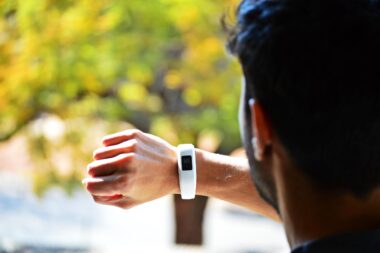
Looking ahead, innovative technology could further enhance the role of music in youth fitness. As wearables become mainstream, the integration of music selection based on personalized fitness goals is likely to become commonplace. Music streaming services could adapt playlists based on heart rates, activity types, or fitness levels. This precision customization may help youth tune into workouts better and sustain their performance over time. Moreover, gamification can introduce new layers to exercise sessions by incorporating soundtracks that align with game objectives during fitness challenges. Soon, youth could experience fitness as an adventure synchronized with fit music, promoting excitement and enthusiasm for staying active. Additionally, the involvement of social media platforms presents opportunities for youth to connect, share, and compete based on musical exercise experiences. Learning how music influences motivation and performance through data analytics can take research and practice in fitness to new levels, leading to more effective programming. Understanding the real-time implications of music on workout dynamics can pave the way for future innovations. Consequently, we can expect that music’s evolving role continues to foster a new generation of empowered and motivated young athletes.
Finally, the significant impact of music on youth fitness illustrated across these studies highlights the potential for increased participation in physical activities. Music serves as more than just a background element; it is a powerful motivational tool that shapes experiences and outcomes in youth fitness. Fitness professionals and educators can utilize these insights to craft more engaging, productive, and enjoyable exercise programs. By strategically incorporating music and allowing youth autonomy in playlist selection, they can create a culture of fitness that remains enjoyable and meaningful. As the fitness industry evolves and incorporates more innovative approaches, the role of music in the culture of youth fitness will remain vital. It can set new benchmarks for how exercise is experienced and appreciated among young individuals. The relationship between music and youth performance continues to uncover significant insights worth exploring, making it clear that this connection should be a key consideration when developing fitness initiatives. For youth seeking enjoyment in physical activities, music’s influence is a compelling reminder of how integrated and enjoyable exercise can remain.