
The Ultimate Guide to Cardio Equipment: What You Need to Know
Cardiovascular training plays a significant role in maintaining overall health and fitness. It offers numerous benefits, such as improved heart health, increased endurance, and effective fat burning. Among the various methods available, utilizing cardio equipment is a popular choice for many fitness enthusiasts. With the wide variety of machines available, it can sometimes be overwhelming to select the best options for your training needs. Understanding the different types of cardio equipment and their specific features will help you make an informed decision. In this guide, we will delve into cardio equipment types, their uses, and tips for effective use. Moreover, we’ll explore the essential factors to consider when purchasing this equipment. Whether you’re building a home gym or seeking the best machines for your local fitness center, knowing the right machines will help you get the most out of your workouts. Moreover, we will address some common myths surrounding cardio training. Arm yourself with the knowledge needed to effectively integrate cardio equipment into your routine and maximize your results.
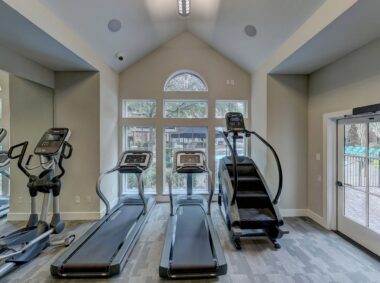
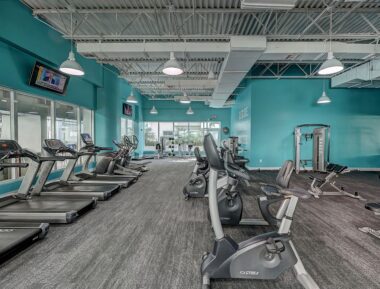
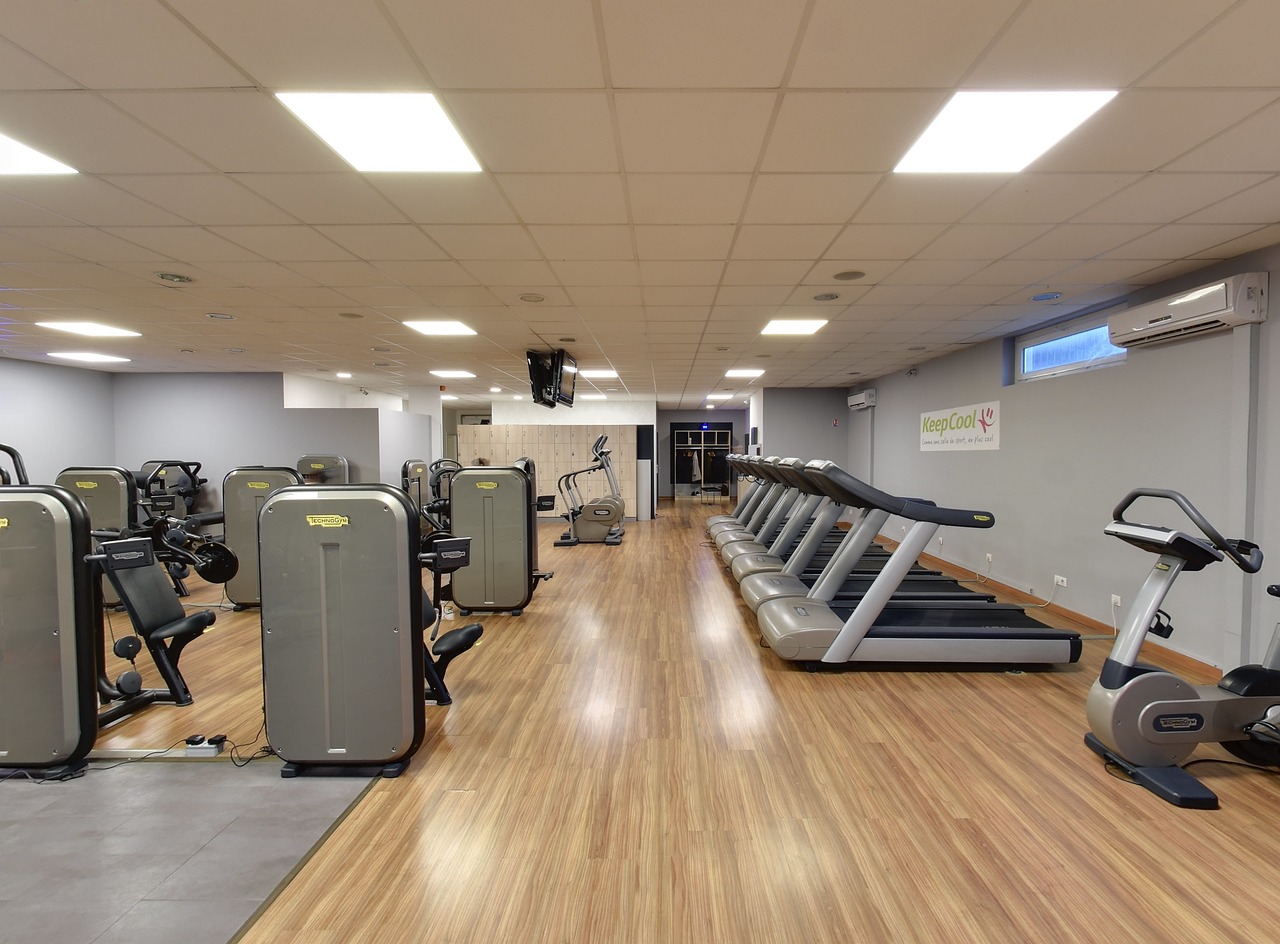
When it comes to cardio equipment, the most common choices include treadmills, ellipticals, stationary bikes, and rowing machines. Each of these machines offers unique advantages, catering to different fitness goals and preferences. Treadmills, for example, mimic outdoor running and walking, featuring adjustable speeds and inclines. They are excellent for improving cardiovascular endurance and burning calories. Meanwhile, ellipticals provide a low-impact option that reduces stress on the joints. This machine allows users to enjoy a full-body workout by engaging both the upper and lower body. Stationary bikes focus on cycling and can target various muscle groups. They come in upright and recumbent designs, offering different riding experiences for users. Lastly, rowing machines simulate the action of rowing a boat, providing a comprehensive workout that combines strength and cardio training. By understanding each piece of equipment, you can choose those that best suit your fitness level and objectives. Align your machinery choices with your exercise goals, and you’ll experience the benefits of cardiovascular training without hassle.
Choosing the Right Cardio Equipment
Each person has unique fitness goals, which should dictate the type of cardio equipment they choose. Before making a decision, it’s essential to evaluate your current fitness level and specific objectives. If you are just starting and wish to develop a solid foundation, investing in a treadmill might be your best choice. Treadmills provide flexibility and allow you to adjust intensity easily. On the other hand, if your goal is to improve stamina and engage multiple muscle groups simultaneously, consider an elliptical or rowing machine. It’s crucial to remember that consistency is key in any cardio routine. Once you’ve selected your equipment, incorporate it into a balanced routine that includes strength training and flexibility exercises. Variety is vital in preventing boredom and promoting overall fitness. Additionally, when purchasing equipment, don’t forget to factor in your available space and budget. Always read reviews and, if possible, test machines in a store before committing to ensure satisfaction. Understanding your needs helps streamline the selection process immensely.
Consider functionality when choosing cardio equipment. Many machines have advanced features, such as programmable workouts, heart rate monitors, and Bluetooth compatibility. These features can enhance your workout by providing variety and tracking your progress over time. Features that allow you to connect with fitness apps can make your sessions more engaging and provide motivation through metrics like distance and calories burned. Additionally, some machines allow for interactive workouts, which can help maintain your interest and commitment. For example, treadmills can be connected to virtual running courses, allowing you to run through scenic routes from the comfort of your home. When assessing machines, prioritize what features will enhance your experience and meet your fitness goals. Keep in mind that quality equipment may come at a higher price but often translates to increased durability and effectiveness. Investing in solid products generally leads to better long-term results. Read customer testimonials to gauge a product’s reliability and performance before making your final buying decision.
Tips for Effective Use of Cardio Equipment
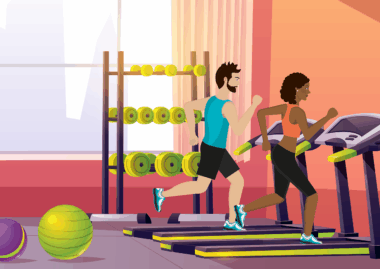
Once you’ve chosen your cardio equipment, understanding how to use it effectively is crucial to achieving optimal results. Begin with proper warm-ups to prepare your body, preventing injuries. If you’re using a treadmill, start at a slow pace and gradually build speed. With ellipticals, use smooth, controlled movements to maintain form and benefit fully from the experience. Proper posture is also essential. Keep your back straight, and engage your core during workouts to ensure stability. Mixing up your routines every few weeks will keep your body challenged and lead to continuous improvements. Aim for at least 150 minutes of moderate-intensity aerobic activity each week, as recommended by health organizations. Focus on alternating between high and low-intensity intervals as you progress, which boosts calorie burn and endurance. Track your progress by recording your workouts, noting improvements over time. Setting short-term and long-term goals can provide motivation and satisfaction. Staying consistent with your cardio workouts can yield impressive results, positively affecting your health and overall well-being.
Alongside regular cardio workouts, consider incorporating strength training into your routine for balanced fitness. Strength training helps build muscle and supports metabolism, aiding in weight loss and overall health improvements. Combining cardio and strength helps you achieve optimal results from your fitness regimen. Many gyms offer group classes that blend cardio and strength exercises. Engaging in these classes connects you with like-minded individuals, providing motivation and accountability. If working out at home, look for online classes or streaming services that offer diverse workouts suitable for your equipment. Perform bodyweight exercises such as push-ups, squats, and lunges along with your machine exercises to enhance strength. Keep in mind that rest and recovery are equally important. Incorporate days of rest or low-intensity workouts into your schedule to allow muscles time to recover and adapt. By balancing cardio and strength training while incorporating rest, you’ll maximize overall fitness and achieve long-lasting results. Regularly reassess your progress and adjust your workouts to stay aligned with your goals.
Common Myths about Cardio Training
The realm of cardiovascular training is often clouded with misconceptions that can hinder individuals from maximizing their workouts. One common myth is that weight training should be avoided during cardio sessions, as it might compromise fat loss. However, strength training and cardio can coexist beneficially, boosting metabolism and promoting fat loss. Another misconception is that long-duration cardio is the only way to burn fat. In reality, high-intensity interval training (HIIT) can be equally effective, providing benefits in shorter bouts. Many people also believe that cardio machines are exclusively for weight loss. They are essential for cardiovascular fitness, endurance, and overall health improvement, regardless of weight goals. Furthermore, some assume that cardio workouts are only suitable for seasoned athletes or fitness enthusiasts. In truth, cardio is for everyone and can be adapted to any fitness level. Understanding these myths will empower you to make informed choices surrounding your fitness journey. Educating yourself about effective cardio training can lead to better workouts and enjoyable experiences, resulting in sustainable lifestyle changes.
Lastly, it’s important to remain motivated and committed while engaging in cardiovascular training. Setting goals can provide structure, enabling you to measure achievements throughout your routine. Consider joining social media fitness groups or online communities for support and inspiration. Connecting with others who share similar objectives will create a sense of belonging and accountability. Regularly reviewing your objectives is essential to stay on track. Ensure your goals remain realistic and adjust them as you progress. Celebrate small victories along your journey, such as hitting a new personal best or managing longer workout durations. Another method of maintaining motivation includes creating a workout playlist filled with energetic songs that drive you to push harder. Consider involving a friend or family member in your fitness journey to boost motivation. Encouragement and friendly competition can make cardio workouts more enjoyable and provide the support necessary to stay consistent. Ultimately, commitment to your fitness journey, along with informed decisions surrounding cardio equipment, will lead you to successful heart-healthy outcomes. Implementing these strategies will positively impact your health and ensure a satisfying experience with cardiovascular training.