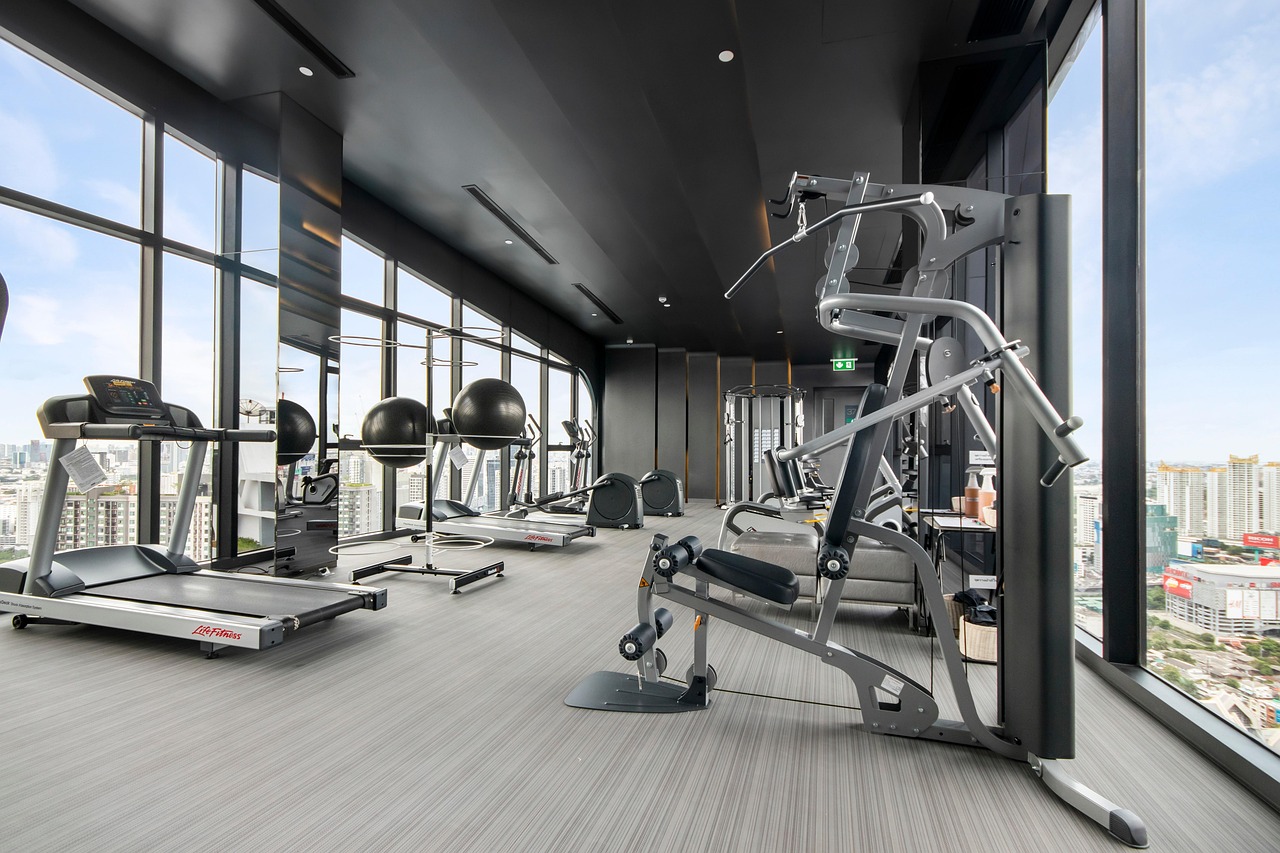

How to Incorporate Technology with Gym Equipment for Enhanced Training
In the modern fitness landscape, integrating technology with gym equipment can significantly enhance training outcomes. Utilizing apps that track your workouts not only helps in monitoring progress but also encourages adherence to fitness goals. Furthermore, devices like heart rate monitors, when combined with gym machinery, provide real-time data about your performance. This data helps in adjusting your workout intensity effectively. Moreover, some gym equipment now comes equipped with built-in screens that give you access to virtual classes or personal training sessions. These features can add variety to your routines while helping you stay accountable. Additionally, wearable technology has revolutionized personal training by offering insights into your recovery and sleep patterns. It enables trainers to tailor programs that foster optimal performance. Whether you are using resistance machines, free weights, or cardio apparatus, technology can help customize your approach and enhance motivation. Understanding these technologies can be the difference between just working out and elevating your fitness journey. By leveraging these tools, you can engage in a more dynamic and structured workout regime that leads to tangible improvements.
Benefits of Smart Equipment in Workouts
Smart gym equipment offers users various benefits that can significantly transform workout experiences. For instance, some machines can track repetitions and weight, providing metrics that can be analyzed over time. This continuous feedback allows for adjustments to ensure that individuals are training effectively and progressively. Utilizing this technology enables you to set specific goals, making it easier to visualize your progress. Furthermore, many smart machines offer personalized workout suggestions based on individual performance history. This level of customization helps in pushing users beyond their limits while reducing the risk of injury through improper form. Another advantage is the connectivity most of this equipment has with mobile applications, allowing for data sharing and analysis across multiple devices. This interconnectedness means that you can maintain a comprehensive record of your fitness journey. Moreover, some products integrate gamification elements, turning workouts into fun challenges. Such features can enhance motivation and create a competitive spirit, making routines more enjoyable. In essence, smart gym equipment ensures that fitness enthusiasts get the most out of their sessions while striving to meet their objectives.
Monitoring your fitness journey is vital for progress, and technology helps you do just that. Utilizing fitness apps allows you to log your workouts and track changes over time. Many of these applications come equipped with features such as workout reminders, progress charts, and community support. Training with these tools keeps you motivated and informed about your journey. Many people find that digital workout logs and agility trackers help in understanding what works and what doesn’t. Moreover, leveraging analytics can guide users in making better fitness decisions. By converting raw data into meaningful insights, individuals can hone their training and achieve results efficiently. Another way technology assists is through wearable fitness trackers that cater to various metrics, like calories burned and distance covered. These devices enhance self-awareness and motivate users to push themselves further. Additionally, their integration with gym machines enables seamless syncing of recorded activities, providing a holistic view of performance and progress. Overall, employing smart devices and fitness applications can lead to a more informed and successful workout regimen.
Creating a Personalized Training Plan
Once you understand how to leverage technology, creating a personalized training plan becomes easier. This plan should also be as adaptable as the technology guiding it. The first step involves assessing your current fitness level and defining specific goals. Different apps offer assessment tools to measure strength, endurance, and flexibility. Based on the data collected, you can design an effective plan tailored to your needs and current capabilities. It’s also essential to periodically review this plan in light of ongoing technology. Utilizing feedback from smart equipment, you can adjust your workouts based on results. This fluid approach can enhance motivation and prevent plateaus in performance. Additionally, connecting with online training communities can provide valuable insights and support, allowing you to stay accountable. Many community platforms offer mentorship through feedback and shared experiences. Pairing your technological resources with an interactive community not only increases motivation but also opens doors to new training methods. Structuring an adaptive plan with these elements fosters continuous growth and ensures a sustainable fitness regimen. Ultimately, the combination leads to long-term success in your fitness journey.
Incorporating technology also extends to rehabilitation and recovery, essential components of any effective training cycle. Effective training goes beyond just working out; allowing your body to recover is equally crucial. Tools like muscle stimulation devices and foam rollers with built-in tracking apps can aid in muscle recovery post-workout. Integrating these tools helps analyze recovery times, ensuring you’re engaged in proper self-care techniques. Additionally, many technological devices can facilitate guided recovery routines. These can include breathing exercises, meditation sessions, and guided stretching routines that support mental and physical well-being. Recovery is where the body repairs and strengthens itself, making it a crucial process to include in your overall regime. Wearable devices also facilitate recovery monitoring, checking sleep patterns and physical readiness. This data is invaluable in determining when to push harder and when to rest. Overall, creating space for recovery technology in your training will significantly enhance your performance in the long run. The balance between intense workouts and adequate recovery is vital for any fitness enthusiast looking to enhance overall performance sustainably.
Utilizing Virtual Coaching and Support
Virtual coaching has taken personalized training to an entirely new level, offering unmatched accessibility and flexibility. Many trainers now provide online coaching services via apps, enabling individuals to work with experts without geographical barriers. This approach allows users to engage with tailored guidance and structured workouts at their convenience, accommodating different schedules. Additionally, virtual coaching offers interactive features such as video demonstrations, which can enhance understanding of proper techniques. These visuals can help users replicate movements accurately, thereby limiting injuries. Feedback from instructors can be relayed through video calls, keeping motivation high while ensuring compliance with safety procedures. Furthermore, many platforms now include community features, connecting individuals with similar fitness goals. These communities offer support and encouragement through message boards and social sharing, fostering a sense of accountability. Many find inspiration by sharing their successes and challenges, finding common ground that boosts collective motivation. By harnessing the power of technology, virtual coaching provides a holistic approach to personal training that caters to diverse needs and preferences. This individualized support system sets the foundation for achieving fitness milestones more efficiently.
As technology evolves, integrating innovative methods into your workout is essential. It can be something as simple as using mobile apps that provide workout video demonstrations or more advanced tools. For instance, augmented reality technology is entering the fitness sector, offering immersive training sessions that can feel more engaging. Such experiences allow you to exercise in various simulated environments, making workouts more enjoyable. Interactive platforms that encourage competition with friends or random users can also bring an element of excitement to your training sessions. This may foster a community spirit while pushing you to increase your effort. Moreover, many contemporary machines now come equipped with cloud connectivity, allowing users to analyze their data globally and compare their performance with peers. This increased interactivity can also motivate you to set ambitious fitness goals—be it increasing weight limits or achieving time-based challenges. As long as a balanced approach is maintained, utilizing these advanced platforms can enhance both physical and psychological aspects of fitness. Ultimately, the combination of technology and traditional exercises presents an exciting avenue for personalizing the gym experience.
Conclusion and Future Outlook
Finally, the future of gym equipment utilization promises further technological advancements geared towards elevating training experiences. Continued innovation will undoubtedly facilitate even more in-depth monitoring, integrating artificial intelligence and machine learning for personalized feedback. These features could redefine personal training, making it more adaptable to individual needs while potentially predicting optimal training cycles based on past performance. Moreover, community platforms will likely expand, offering more dynamic interaction and support among users across different demographics. With technology playing a central role, the fitness industry can expect radical transformations aimed at improving user experience. This trajectory highlights the importance of being receptive to new tools and methodologies for continuous growth. Staying educated and open to these advancements not only fosters progress but also contributes to a more engaging fitness environment. The incorporation of technology in gym equipment signifies a future where working out becomes more enjoyable. Moreover, technology’s role in fitness emphasizes its significance in creating a sustainable approach to health and wellness. The collaborative efforts of trainers, programmers, and users will shape this evolving narrative, ensuring that fitness remains accessible and motivating.