
Open Water Swimming for Weight Loss and Fitness
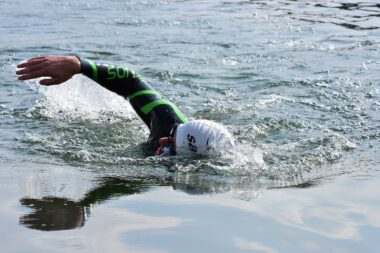
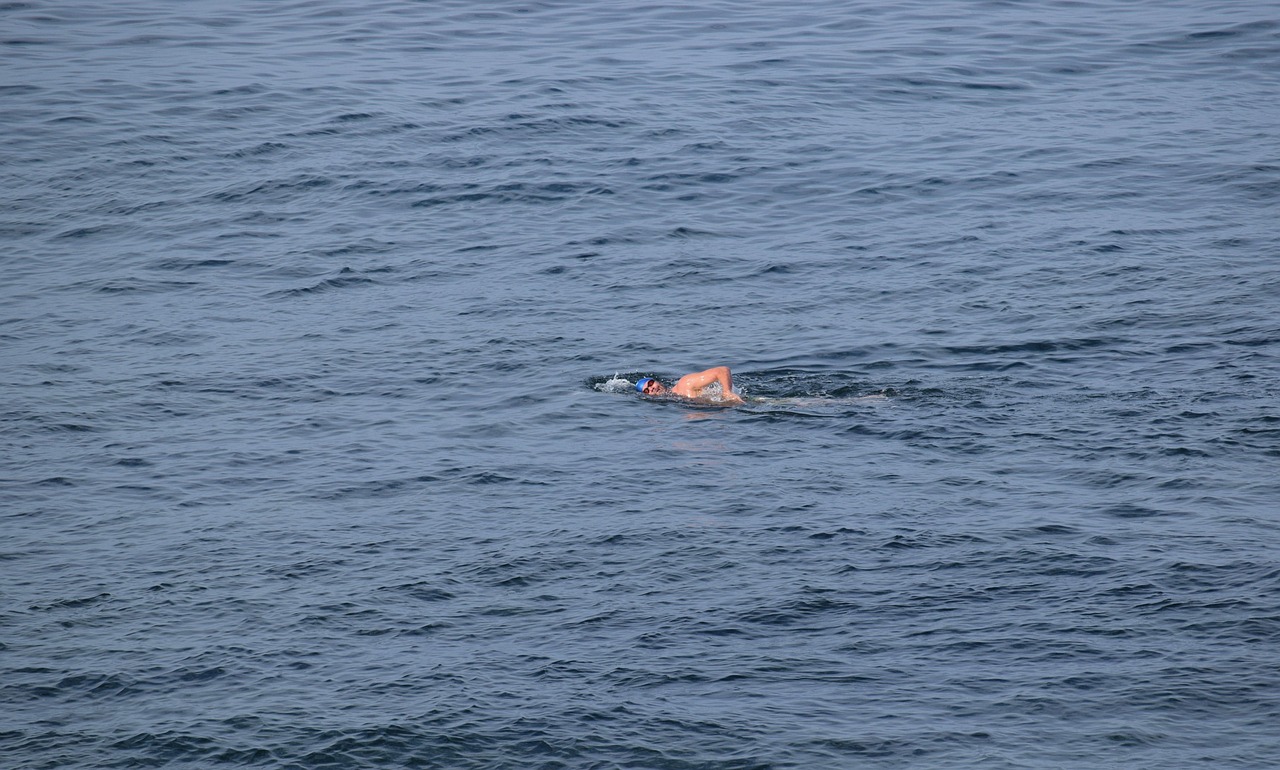
Open water swimming is an excellent way to achieve weight loss and improve overall fitness. Unlike traditional pool swimming, open water presents unique challenges such as varying temperatures, currents, and environmental conditions. This type of swimming engages your entire body, making it a more comprehensive workout. Regular open water workouts can increase endurance, strengthen muscles, and enhance cardiovascular health. Many swimmers find that the enjoyment of being in nature further motivates them. A typical swim can burn between 500 and 700 calories per hour, depending on one’s pace and efficiency. The water resistance is about twelve times that of exercising on land, so every stroke counts significantly towards calorie burning. To maximize your workout, incorporate interval training by varying your speed with bursts of intense effort. Pay attention to conditions, as water temperature can affect performance, requiring more energy. With safety precautions like wearing a wetsuit for warmth or visibility, swimmers can enhance their enjoyment and performance. Prioritize gradual acclimatization to cold water for better results. Additionally, group swims provide motivation and essential safety measures, turning exercise into a fun social experience.
Considering the benefits of open water swimming, it’s essential to create a training plan that aligns with your weight loss goals. Start by setting achievable objectives, focusing on distance, frequency, and duration to steadily increase your stamina. Tracking your progress through a fitness app helps motivate and challenges you to push your limits. Additionally, nutrition plays a vital role in supporting your swimming practice. Eating a balanced diet rich in proteins, healthy fats, and carbohydrates fuels your body for optimal performance. Consider meal prepping to ensure you have nutritious options readily available before and after swims. Hydration is equally crucial, as swimming can mask thirst, leading to dehydration. Always drink water before and after your swimming sessions, even if you don’t feel thirsty. Moreover, cross-training by incorporating activities like running, cycling, or yoga can diversify workouts, enhancing muscle groups and reducing the risk of injury. Engage in strength training to build key muscles used in swimming, promoting a stronger, more efficient stroke, ultimately aiding in weight loss. Focus on core and upper body strength for optimized performance. Combining these elements creates a comprehensive approach to open water swimming for weight loss.
Techniques and Tips for Effective Open Water Swimming
To enhance your performance in open water swimming, mastering proper techniques is crucial. Emphasizing correct breathing, body positioning, and bilateral breathing can significantly improve your efficiency. Begin with a streamlined position by keeping your head low and your body straight while swimming. This minimizes drag and maximizes speed. Incorporate bilateral breathing to improve your stroke balance and ensure better sighting, crucial for navigating in open waters. When approaching turns or competition, practice staying relaxed to maintain efficiency, enhancing comfort in varying water conditions. Additionally, sighting regularly helps keep you oriented towards your goal without wasting energy. Use landmarks, buoys, or even a fellow swimmer to maintain direction. Adapt your stroke for different water types, as open water is less predictable than pools. Techniques such as sighting, drafting (swimming behind another swimmer), and varying your kick lightens energy output over long distances. Staying calm during currents or waves is vital; remember to use breathing techniques to maintain ease and prevent panic. Warm up and cool down before and after swims to prevent injury, enhancing long-term performance. Following these tips helps with developing efficient open water swimming abilities.
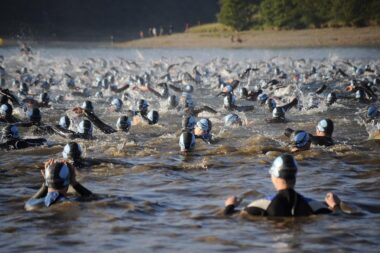
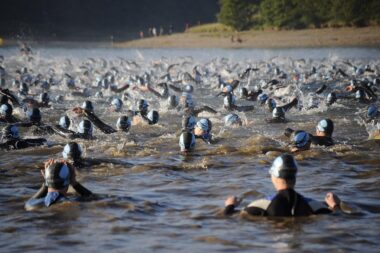
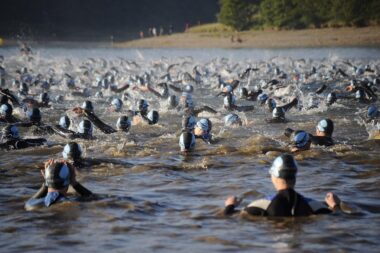
Moreover, regular participation in open water swimming events can offer motivation and help establish community connections. These events, ranging from casual swims to competitive races, allow swimmers to set personal goals, fostering commitment and accountability. Training with a community has the added benefit of shared knowledge and support, which can make a significant difference in performance. Consider joining local swimming clubs or social swimming groups that organize open water excursions. This not only promotes safety through increased visibility but also enhances the social aspect of your training. Knowing that others support your personal weight loss journey encourages a positive spirit and keeps you accountable. If you are new to open water swimming, start with shorter distances and gradually increase as your comfort level rises. Challenge yourself by participating in events that align with your swimming skills. Track your progress through competitions; each achievement fosters growth and opens doors for further challenges. As you gain more experience, explore different open water locations, mixing up environments while improving adaptability to varying water conditions. This variety keeps your training fresh and exciting.
Benefits Beyond Weight Loss
While weight loss is a primary benefit of open water swimming, there are numerous other advantages that contribute to overall wellness. Firstly, the psychological benefits of swimming in natural bodies of water are enormous. Many swimmers report improved mood and reduced stress levels through regular engagement with the water. The soothing effects of nature combined with the rhythmic patterns of swimming help foster mental clarity. This mindfulness aspect boosts dopamine and serotonin levels, combating anxiety and depression. Furthermore, open water swimming promotes cardiovascular health, significantly improving heart function and increasing endurance over time. The aquatic environment encourages deeper breaths, enriching oxygen intake. Additionally, swimming employs large muscle groups, enhancing muscular endurance and toning the body. Engaging in open water swimming acts as a comprehensive workout, addressing strength, flexibility, and endurance collectively. Individual differences in performance, such as body composition, strength, and technique, arise from regular open water sessions, promoting a strong body image. Inclusion in community events also introduces exciting challenges, prompting personal growth. Staying consistent with your swimming regime can establish a sustainable approach to fitness, promoting long-term health benefits and enhanced well-being.
As we dive deeper into open water swimming, it’s essential to recognize the safety aspects associated with this activity. Safety measures ensure a positive and enjoyable experience while minimizing risks. Awareness of environmental factors, such as currents, tides, and water quality, is paramount. Always swim in designated areas where lifeguards are on duty or organized events are taking place. Employing safety equipment like buoyancy aids or swim fins can improve visibility and provide assistance in the event of fatigue or distress. Before embarking on a swim, inform someone of your planned route and expected duration. Additionally, wearing a wetsuit provides thermal protection when swimming in colder waters, significantly decreasing the risk of hypothermia. Regularly monitoring weather conditions, including wind and waves, helps prevent adverse situations. Whenever possible, swimming in a group enhances safety, allowing support and collective decision-making during changing conditions. Carrying basic first aid supplies is wise for unforeseen circumstances. Lastly, listening to your body and taking breaks as needed is essential. By prioritizing safety, individuals can enjoy the myriad benefits of open water swimming while fostering a long-lasting love for the water.
Conclusion and Final Thoughts
In conclusion, open water swimming provides not only an excellent workout for weight loss but also immense physical and mental health benefits. The beautiful connection to nature enhances motivation, contributing to a holistic fitness approach. Incorporating strategies such as proper technique, consistent training, and nutrition optimizes your experience, making this activity effective for weight management and overall health enhancement. Remember to embrace the challenges, finding joy and achievement in every lap you complete. Open water swimming offers an amazing way to promote social interactions while engaging in physical fitness, creating bonds with fellow enthusiasts. As you progress through various swimming experiences, celebrate achievements and encourage others on their journeys to health. Stay informed about potential risks; prioritize safety to foster a confident swimming identity. This can include understanding water conditions and being prepared for anything. The community formed around open water swimming further fosters inclusive opportunities for all skill levels. Embrace every swim as a chance to grow, not just as a swimmer but also as a vibrant member of an encouraging community focused on health. Dive into the adventure awaiting you in the open waters!
Similarly, the significance of enjoying the swimming environment cannot be understated. The fresh air and natural surroundings can inspire a lifelong passion for open water swimming, contributing to a well-balanced lifestyle. Being outdoors rejuvenates the mind and increases energy levels, allowing for better concentration and improved physical performance. Each swim can feel liberating, offering a refreshing escape from the rigors of daily life while simultaneously promoting fitness. It can also cultivate a profound respect for natural water bodies and enhance awareness regarding environmental conservation, as swimmers often develop a personal connection to the ecosystems they frequent. Participating in organized events encourages community building, strengthens social bonds, and creates collective responsibility to protect and preserve our waters. Therefore, consider engaging in beach clean-ups and advocating for local environmental initiatives alongside your swimming activities. A connection to nature and awareness of broader environmental issues allows for greater enjoyment of the sport. Sharing these experiences adds joy, transforms open water swimming into a significant part of both a fitness regime and an environmental advocacy journey. Embrace the journey of open water swimming and cherish its profound benefits to health, well-being, and nature.