
Lacto-Fermentation vs. Alcoholic Fermentation: Understanding the Difference
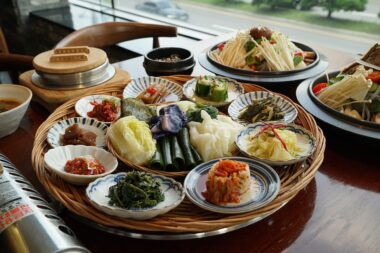
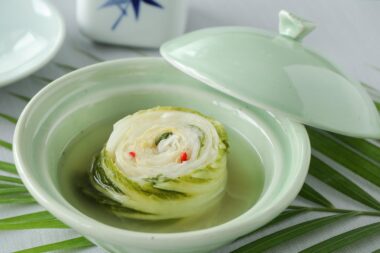
Fermentation is an ancient process utilized for preservation and flavor enhancement in many foods. Understanding the two primary types—lacto-fermentation and alcoholic fermentation—can open up new culinary avenues. In lacto-fermentation, lactic acid bacteria convert sugars into lactic acid, contributing to the tanginess of foods like sauerkraut and kimchi. This beneficial bacteria are not only crucial for flavor but contribute to gut health, enhancing digestion. Health enthusiasts rave about these fermented foods for their probiotic content, which supports a healthy microbiome. On the other hand, alcoholic fermentation involves yeast, converting sugars into alcohol, creating beverages such as wine and beer. The resulting product also entails different taste profiles and culinary applications. While both processes rely on microorganisms, their outcomes substantially differ. Hence, understanding these fundamental dissimilarities can drastically influence one’s dietary choices while elevating home cooking experiences with fermentation. For those seeking health benefits alongside flavorful dishes, exploring these options is essential to diversify their meal plans attentively. Many resources, including cookbooks and online blogs, can guide you in this fun culinary adventure, helping you maximize the rewards of fermentation.
Health Benefits of Lacto-Fermented Foods
Lacto-fermented foods are renowned for their myriad health advantages, making them a staple in health-conscious kitchens. These foods not only preserve nutrient content but can enhance food digestibility, allowing better nutrient absorption. High concentrations of probiotics found in these products play a significant role in gut health, potentially alleviating digestive issues such as bloating and constipation. Moreover, they support the immune system by improving gut flora balance. Such changes can lead to beneficial metabolic responses in the body, encouraging a healthier lifestyle overall. Important vitamins and minerals are often boosted in these fermented foods, offering a richer nutrient profile than their non-fermented counterparts. This enhanced nutrient profile is often especially valuable for individuals with dietary restrictions or those seeking to bolster their nutrition. Moreover, the introduction of savory flavors leads to enjoyable eating experiences, encouraging individuals to explore diverse recipes. Foods like yogurt, sauerkraut, and pickles provide more than just taste; they serve as essential sources of probiotics. Incorporating these items into your diet doesn’t have to be complicated, as easy recipes are available online to help. Take the plunge and experience their impressive benefits!
In contrast, alcoholic fermentation opens a different world of enjoyment and culinary possibilities. This method harnesses the power of yeast to convert sugars into ethanol, resulting in various alcoholic beverages. When thinking of alcoholic fermentation, wine, beer, and spirits come to mind, each representing unique cultural and historical practices. While consumed mainly in moderation, the complexities and flavor profiles of these beverages are intriguing. Beyond taste, there are potential health benefits associated with moderate consumption, attributed to antioxidants found in wine, particularly red wine. Some studies suggest benefits, such as improved heart health, when consumed responsibly. However, it is essential to clarify that excessive alcohol intake brings numerous health complications. Therefore, moderation is crucial. As you explore different alcoholic beverages, understanding the fermentation process enhances appreciation. For instance, craft beer offers diverse flavors due to various yeast strains and ingredients used. Taking the time to learn about the fermentation process can lead to a deeper understanding and enjoyment of these alcoholic offerings. Remember to consume responsibly and explore diverse flavors safely while enjoying the various products of fermentation.
Culinary Uses of Lacto-Fermented Foods
Culinary applications for lacto-fermented foods extend far beyond a simple condiment or side dish. These foods can serve as health-boosting components in exciting and creative ways. For instance, adding kimchi to pancakes or stir-fries elevates dishes while providing probiotics and nutrients. Additionally, lacto-fermented pickles can enhance sandwiches with crunchy texture and zesty flavor, making them healthier alternatives to sauces. Furthermore, yogurt can be utilized in smoothies, salad dressings, and baked goods, providing moisture and richness. These versatile foods not only contribute to health but also encourage creativity in the kitchen, offering novel flavors and textures to various recipes. Lacto-fermented foods can easily integrate into meal plans, making healthy living enjoyable rather than restricting. Starting with small servings can introduce your palate gradually, allowing familiarization with flavors. As culinary experimentation continues, discover how these foods can accentuate flavors in dishes of all cultures. There are countless options for incorporating these health-promoting foods, enhancing meals for you and your family. Finding joyous ways to integrate fermented goodies into daily eating habits may inspire others to join you on this flavorful journey toward healthier eating.
Contrastingly, alcoholic fermentation leads to delectable drinks crafted for social gatherings and enjoyment. The allure of artisan wines, crafted beers, and spirits provides endless possibilities for exploration. Wine pairings with meals can elevate dining experiences, enriching flavors and textures. Learning about terroir in wine allows a deeper appreciation for its subtle nuances. Craft beers also offer many styles, from hoppy IPAs to rich stouts, making it enjoyable to find the right brew for every occasion. As you dive into different alcoholic beverages, remember the importance of responsible consumption. Pairing these beverages with food enables synergy between elements, enhancing overall experience. When well-matched, the food and drinks can balance flavors, emphasizing the dining experience. Hosting gatherings or dinners that spotlight food and beverage pairings can become an enjoyable and educational experience. Online events or local tastings captivated diverse audiences, showcasing fine mixtures of culinary delights. Each sip can tell a story, reflecting the fermentation process and culinary heritage of its origin. Engaging in the world of fermented drinks stimulate not only the taste buds but also provides an opportunity to appreciate the art of traditional fermentation methods.
Conclusion: Embracing Fermentation in Your Diet
Ultimately, understanding the differences between lacto-fermentation and alcoholic fermentation opens a door to exciting culinary adventures. By incorporating both types into your diet, you can enjoy a plethora of flavors, textures, and health benefits. Lacto-fermented foods enhance digestive health while offering versatile usage in everyday dishes. In contrast, alcoholic beverages present enjoyable experiences of taste, socialization, and culture. Awareness of fermentation processes not only fosters appreciation but enriches one’s diet in meaningful ways. Experimenting with different recipes allows you to get creative and discover new dishes that excite you. Whether savoring a crisp pickle or enjoying a fine glass of wine, embracing fermentation encourages a healthier and varied lifestyle. There are countless resources, from blogs to local workshops, that can help you delve deeper into this culinary world. By honing your fermentation skills, you enhance both your cooking and your health. As you weave these fermented foods and drinks into your daily life, witness how they transform ordinary meals into extraordinary experiences. Remember, moderation and balance are essential to appreciate the full benefits of both fermentation types.
As you embark on this fermentation journey, consider starting small by incorporating a few items into your weekly meal planning. Seek out local fermented products or try your hand at making simple ones at home. Recipes for homemade sauerkraut, yogurt, or even kombucha can often be found online, varying in complexity. Additionally, attending workshops or community classes can further enhance your knowledge while encouraging collaboration with like-minded individuals. Understanding the fermentation process can empower you, enhancing your culinary skills and overall health. Don’t hesitate to document your experiences, as it can provide inspiration for others while nurturing your journey. Remember, the art of fermentation is not only about preserving food but also creating delightful experiences to share with family and friends. Schools, culinary institutions, and food bloggers can offer excellent insights into techniques that may enrich this process. Enjoy your exploration of these diverse flavors and how they can positively impact your health, while also bringing fun and creativity into your cooking practices. Embrace the joy of fermentation, as it may just revolutionize your meals, inviting healthier choices while savoring delicious dishes.
In summary, fermentation plays a vital role in both preserving foods and finding new culinary experiences. Understanding the distinction between lacto-fermentation and alcoholic fermentation can elevate your cooking. They provide unique taste profiles and health benefits while enriching your dietary routine. Don’t shy away from experimenting but embrace the tradition of fermenting foods and drinks. The factors surrounding culinary fermentation—like health enhancements, taste, and creativity—only begin to scratch the surface of its importance in food culture. In these ever-evolving times, taking a step back to adopt traditional fermentation practices can revitalize your meal preparation methods. Encouragement to share experiences and recipes within communities promotes learning while fostering relationships. Seek out groups, attend tastings, and learn collaboratively while expanding your culinary toolbox. Filter through online resources to find recipes and methods suited to your lifestyle, offering ways to include these exciting foods and beverages. In conclusion, fermentation is more than a technique; it is a celebration of food, health, and culture. The ongoing discovery of flavors and recipes will undoubtedly enhance your engagement with healthy eating. So, enjoy the benefits of fermentation and the delicious experience it provides.