
The Link Between Hydration and Cognitive Performance
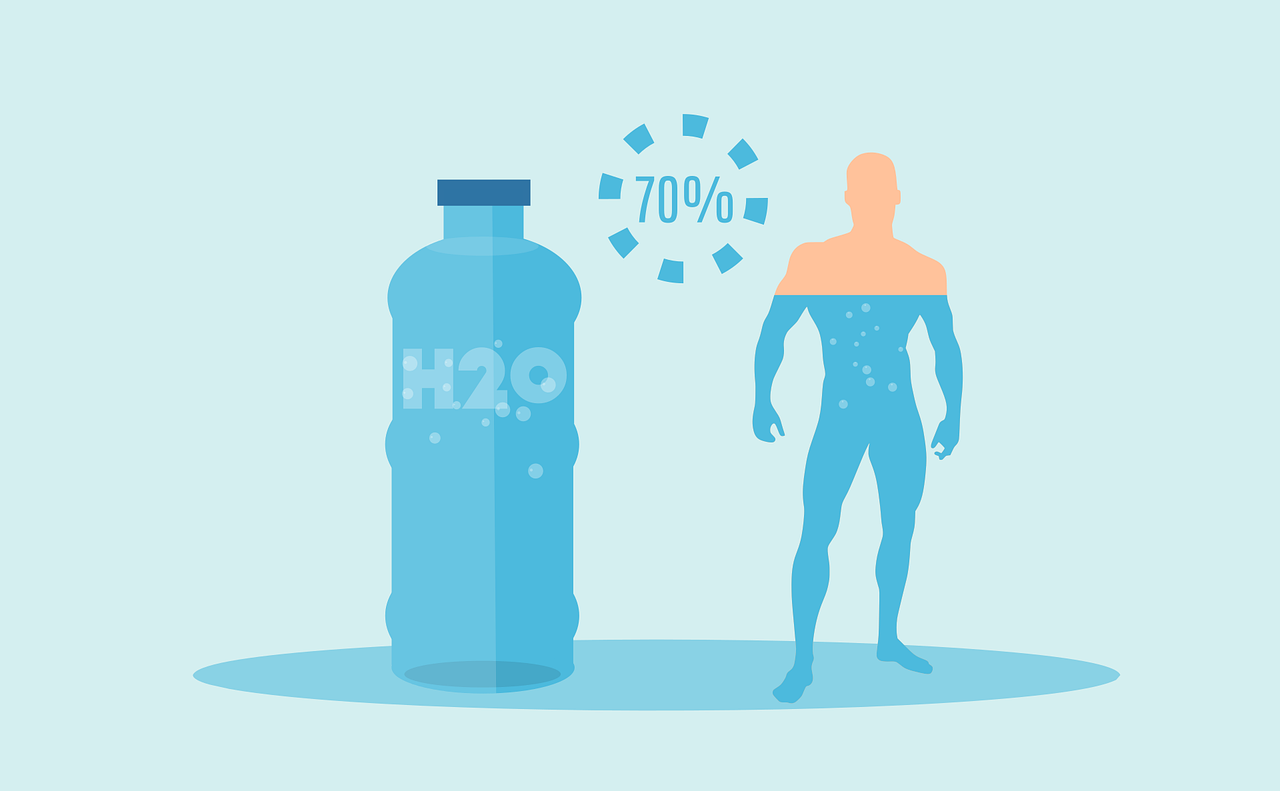
Hydration is an essential aspect of maintaining cognitive functions. The human brain is composed of about 75% water, making it crucial to ensure adequate hydration for optimal mental performance. When hydration levels are low, cognitive processes like attention, memory, and decision-making can significantly decline. Studies have shown that even mild dehydration can lead to difficulties in concentration and increased feelings of fatigue. Thus, staying hydrated is not just about quenching thirst; it is about enhancing brain capabilities. Research suggests specific daily water intake requirements based on various factors, including age, gender, and activity level. For instance, adult males are generally recommended to drink about 3.7 liters daily, while adult females should aim for about 2.7 liters. These figures include water from all beverages and food sources. To achieve proper hydration, one must consume throughout the day consistently. Carrying a reusable water bottle can serve as a constant reminder to drink water and can aid in tracking daily intake. Establishing a routine that incorporates regular water consumption will foster better cognitive performance over time.
Cognitive performance can be significantly affected by hydration levels. Studies correlate lower hydration levels with impaired visual and auditory attention, leading to reduced performance in tasks requiring focus. When the body is dehydrated, the brain faces challenges in efficiently transmitting signals, which ultimately affects executive functions. Thus, individuals may experience slower reaction times and diminished problem-solving capabilities. A common misconception is that sitting down to drink a large amount prior to a task will suffice. However, for sustained cognitive performance, consistent hydration throughout the day is essential. Awareness of signs of dehydration, including headaches, confusion, and irritability, is necessary for maintaining optimal hydration. To combat this, establishing a personal habit of drinking water regularly can make a significant difference. Besides water, incorporating hydrating foods such as fruits and vegetables can also contribute to overall hydration levels. For example, foods like cucumbers, oranges, and watermelons are excellent sources of water and can help maintain hydration. Stay tuned for ways to assess personal hydration levels effectively. Understanding how hydration impacts cognitive performance can encourage healthier drinking habits.
Impact of Hydration on Mood and Performance
Adequate hydration is indispensable not just for cognitive function but also for overall mood regulation. When the body is dehydrated, it can lead to increased feelings of anxiety and mood fluctuations. This state can create a vicious cycle that further diminishes cognitive performance. Research highlights that hydration directly influences neurotransmitter production, which plays a role in mood stabilization. Consequently, maintaining hydration enhances not only concentration and memory but also emotional well-being. Alongside this, depression can be exacerbated by insufficient water intake. Individuals who regularly consume inadequate water may find themselves feeling sluggish and less effective in their daily tasks. Therefore, combatting dehydration can play a vital role in achieving improved mental health. Integrating hydration reminders into daily routines can serve to mitigate the negative influences of dehydration on mood. Notably, hydration doesn’t just involve drinking water; it encompasses all sources of fluids, including tea, juices, and broths. Drinking herbal tea not only aids hydration but also provides comforting warmth, which may positively affect mood. Regular hydration habits can yield long-term benefits, supporting both cognitive performance and emotional stability.
Incorporating hydration monitoring into daily routines can enhance cognitive performance further. Keeping track of daily water intake can be pivotal in recognizing patterns that lead to cravings, fatigue, or lapses in concentration. Technology and smartphone applications that remind users to drink water can significantly aid in achieving hydration goals. One common application among people is the use of smart water bottles that provide reminders at scheduled intervals. These innovations make it easier to adhere to daily water requirements. Reflecting on hydration practices also enables individuals to adapt their habits to specific needs. For instance, athletes or people engaged in strenuous activities will require increased water intake. Furthermore, considering hydration during meals is beneficial, as complementary beverages can promote fluid intake. Consuming soups, smoothies, or high-water-content fruits can facilitate hydration and nutrient absorption. Ensuring a balance between hydration, nutrition, and exercise will ultimately contribute to peak cognitive performance and energy levels. Creating hydration-friendly environments at work or home can also encourage better habits. A visible reminder, such as a water bottle on a desk, can serve as an incentive to hydrate regularly.
Signs of Dehydration to Watch For
Recognizing the early signs of dehydration is crucial for maintaining optimal hydration levels. Some common symptoms include dryness in the mouth, fatigue, dizziness, and difficulty concentrating. Understanding the body’s warning signals can lead to timely intervention and better cognitive function. If left unaddressed, dehydration can escalate, leading to more severe symptoms such as headaches and confusion. Monitoring urine color is another practical way to gauge hydration; a pale yellow color typically indicates proper hydration while dark yellow suggests that more fluids are needed. Incorporating reminders into daily activities might help individuals decrease risks associated with low fluid intake. Simple habits such as drinking a glass of water before each meal can ensure substantial daily intake. It’s helpful to educate colleagues or family about hydration for collective awareness. Encouraging others to be vigilant can further foster a supportive atmosphere, emphasizing hydration’s necessity and the importance it plays in cognitive health. Moreover, making use of hydration drink charts can help visually track progress. Ultimately, maintaining hydration can be straightforward and enjoyable as individuals discover their patterns and optimal hydration needs.
Seasonal changes also affect hydration needs. In summer, increased temperatures mean more sweat production, leading to a higher water requirement. Conversely, during winter, in a heated environment, individuals might overlook their need for additional hydration. The dry air can be deceptive, as fluid loss still occurs despite lower perspiration. Staying hydrated in colder months becomes vital for maintaining cognitive function and overall health. Individuals may rely on hot beverages, such as herbal teas or broths, which can also contribute to hydration. Ensuring a balanced approach in response to seasonal changes will ultimately benefit performance regardless of the time of year. Additionally, monitoring physical activity levels is essential for determining personal hydration needs. Engaging in intensive workouts or outdoor activities necessitates increased fluid intake. Carrying a water bottle during social outings becomes an effective strategy to ensure consistent hydration. Setting goals related to water intake can motivate individuals to drink more water. Furthermore, the incorporation of flavor enhancers can make drinking water more enjoyable, helping to meet hydration targets. Emphasizing hydration as a daily priority will support both mental and physical performance year-round.
Conclusion and Recommendations
In conclusion, proper hydration is critical for maintaining ideal cognitive performance and emotional well-being. Understanding the relationship between water intake and brain function can empower individuals to make informed choices regarding their hydration habits. Setting daily water intake goals based on personal needs, activity levels, and environmental factors is essential to staying hydrated. Regular reminders and the practical use of hydration apps can facilitate adherence to these goals. Furthermore, understanding signs of dehydration and responding proactively can significantly improve mental acuity and mood. Engaging in social initiatives promoting hydration can enhance collective awareness of this important issue. Hydration isn’t merely about drinking water; it encompasses consuming a variety of fluids and hydrating foods, amplifying hydration efforts. Seasonal changes require a mindful approach to fluid intake, ensuring that adequate hydration is maintained year-round. Continually optimizing hydration practices will yield significant results, particularly in cognitive performance, concentration, and emotional stability. Prioritizing hydration will benefit not only individuals but also communities, leading to improved health outcomes overall. Make hydration a non-negotiable element of daily life to promote clarity and well-being.
Ultimately, ensuring good hydration should be integrated into our daily routines seamlessly. Building these habits can be straightforward through consistent reminders and self-awareness efforts. The journey toward optimal hydration is not just beneficial for your brain but also for your overall health. Widespread awareness about hydration will help individuals prioritize their water intake in various situations. In the long run, when hydration becomes habitual, it can lead to enhanced cognitive function, better mood, and improved energy levels. Simple lifestyle changes around hydration lead to significant improvements in emotional well-being. Whether a student, an office worker, or an athlete, understanding hydration needs can enable individuals to reach their full potential. Encourage friends and family to engage in hydration practices, making it a collective effort toward better health. Begin to notice how adequate hydration influences responsiveness and productivity. Staying hydrated is a powerful element for peak performance, especially in cognitive tasks. Make sure to celebrate small achievements in hydration to keep motivation high. Ultimately, focusing on hydration as a vital part of your wellness routine will have lasting positive effects.