
Combining AI and IoT Devices for Comprehensive Health Monitoring
In the modern era, integrating Artificial Intelligence (AI) with Internet of Things (IoT) devices is transforming health monitoring. These technologies work synergistically to provide thorough health data analysis, enhancing patient outcomes. By leveraging AI algorithms, data collected from various IoT devices can be interpreted rapidly, facilitating timely interventions. Examples of such devices include smart wearables, connected scales, and health tracking apps. Not only do these devices monitor vital signs, but they also engage users in their health management, making it a proactive endeavor. Furthermore, AI-enhanced analytics can detect patterns in patient data over time, predicting potential health issues before they arise. This proactive approach signifies a shift from reactive health care towards preventive strategies. Consequently, patient engagement and outcomes are improved through continuous monitoring. Health professionals can use this real-time data to tailor their interventions, fostering a more personalized approach. AI algorithms can also filter out noise from data, ensuring that only significant trends are presented, preventing information overload for healthcare providers. Ultimately, this integration offers a comprehensive solution for monitoring health and improving patient safety.
The collaboration between AI and IoT devices simplifies the collection and analysis of health metrics. Devices, such as heart rate monitors and blood glucose sensors, gather data autonomously, providing critical insights into a patient’s condition. An AI system can then analyze these inputs to identify behavioral patterns and anomalies. One significant benefit is the ability to detect early signs of health deterioration. For instance, if a wearable device shows a sudden spike in heart rate, the AI system can alert healthcare providers immediately. This capability is crucial in chronic disease management and can lead to expedited treatment. Additionally, with machine learning, the AI continuously improves its predictive capabilities, adapting to changes in the patient’s health profile. Moreover, seamless connectivity between devices ensures that data sharing is straightforward, further enhancing effective patient monitoring. Health apps can conveniently display this data, allowing users to view their metrics in real-time. This transparency in health data empowers patients, promoting a collaborative approach to health management. Engaging with technology in this manner leads to a better understanding of one’s health, creating a culture of accountability and responsibility.
Benefits of AI-Enhanced Monitoring
AI and IoT devices provide numerous advantages for health monitoring, particularly in terms of efficiency and accuracy. Real-time data collection from multiple sources enables healthcare providers to assess conditions quickly and respond effectively. With AI, this data is processed and analyzed at remarkable speeds, revealing insights that might otherwise go unnoticed. This leads to quicker decision-making, especially in emergency situations where every second counts. Additionally, AI can categorize data, identifying trends that could indicate a change in health status. This proactive analysis helps mitigate risks, well ahead of potential health crises. Telemedicine also benefits significantly from AI-powered monitoring, as healthcare professionals can offer consultation based on accurate, updated data from patients. Remote monitoring visits can greatly enhance the patient-doctor interaction, making healthcare more accessible. For patients, this translates into less time spent in waiting rooms and more personalized care. By reducing unnecessary hospital visits, healthcare systems can alleviate the strain on resources, leading to increased productivity. Ultimately, the combination of AI and IoT in health settings streamlines workflows, benefiting patients and healthcare professionals alike.
Challenges associated with implementing AI in health monitoring must also be addressed. Data privacy and security pose significant concerns as IoT devices collect sensitive personal information. Protecting this data requires robust cybersecurity measures to prevent breaches, which could jeopardize patient confidentiality. Additionally, there is a need for standardization across devices to ensure compatibility and reliability. Inconsistencies in data formats can produce inaccuracies, hindering effective analysis. Training healthcare professionals to interpret AI-generated insights is essential. The gap between technology and healthcare providers must be bridged to harness AI’s full potential efficiently. Furthermore, patient acceptance of these technologies varies; some may express distrust towards wearable devices. This calls for educational initiatives to inform patients about the benefits and safety of health monitoring technologies. Ensuring that AI systems are transparent and explainable fosters trust among users. Research into improving the interpretability of AI algorithms is crucial in this regard. Building a user-friendly interface for both healthcare providers and patients will enhance usability and optimize outcomes. Overcoming these hurdles paves the way for successful integration of AI and IoT technologies in improving health monitoring systems.
Future Prospects of Health Monitoring
Looking ahead, the integration of AI and IoT in health monitoring is poised for remarkable advancements. As machine learning continues to evolve, AI systems will become increasingly adept at predicting health issues. This evolution will enable medical professionals to focus on preventive care, reducing the burden of chronic diseases. Innovations such as remote patient monitoring are likely to expand, with AI playing a crucial role in analyzing data trends over time. Advances in sensor technology will lead to even more precise measurements of vital signs, enhancing the overall accuracy of health monitoring devices. Collaboration between technology companies and healthcare providers will be paramount in developing user-friendly solutions that meet patient needs. As healthcare becomes more personalized, AI will create tailored treatment plans based on individual data, maximizing patient engagement and participation. Moreover, the potential for integrating AI with genetic data opens doors to predictive and preventive medicine tailored to an individual’s genetic predispositions. This combination of technology and healthcare signifies a transformative shift in how we approach health management. By embracing these technological advancements, we pave the way for a healthier society with greater life expectancy.
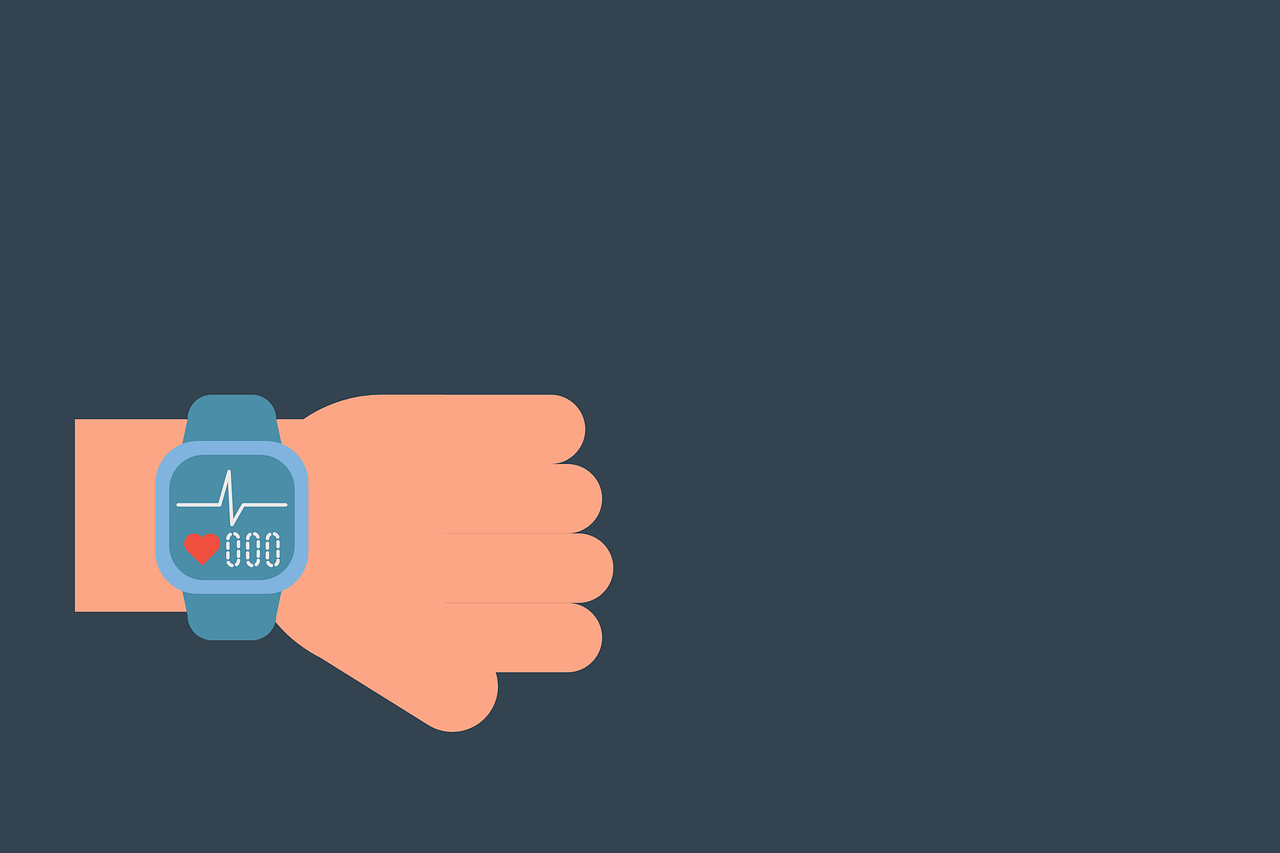
Moreover, the ongoing pandemic has accelerated the adoption of technology, pushing healthcare systems to adapt quickly. Increased reliance on telehealth solutions has highlighted the importance of real-time data in managing public health. AI-powered predictive analytics can potentially forecast outbreaks, enabling timely intervention and resource allocation. The role of IoT devices in monitoring and controlling infectious diseases will become more critical. Wearables, such as smartwatches, could be utilized to monitor symptoms and exposure, contributing valuable insights to public health authorities. Integrating AI into contact tracing applications may significantly enhance community health safety. Ensuring that these technologies remain accessible to diverse populations is essential, highlighting the need for equitable digital health platforms. Policymakers must address challenges related to technology accessibility and literacy to ensure broad adoption. As AI continually processes vast amounts of health data, it will refine its predictions, ultimately resulting in improved outcomes for everyone. This convergence of technology with healthcare will foster a new paradigm focused on prevention and proactive health management, ultimately enhancing societal well-being. Innovating and embracing these advancements will undoubtedly shape the future of health monitoring.
The Role of Patient Engagement in Health Monitoring
Patient engagement is vital in maximizing the benefits of AI and IoT for health monitoring. Encouraging individuals to take an active role in understanding their health data fosters accountability. Health monitoring technologies need to have user-friendly dashboards that provide interpreted data effectively. This visualization helps patients identify trends and modifications necessary for improving their health behaviors. Educational resources accompanying these technologies contribute to better understanding and utilization. When patients comprehend their health status, they are more inclined to follow recommendations provided by healthcare professionals. Moreover, gamification strategies can enhance engagement, turning health management into a motivating challenge. By offering rewards for meeting specific health goals, patients are encouraged to adopt healthier lifestyles. This motivation can lead to better adherence to medication regimens, attendance at scheduled check-ups, and participation in health-related activities. Research supports that increased patient engagement results in significantly improved health outcomes, showcasing the power of the patient-provider partnership. Thus, cultivating a collaborative relationship between patients and healthcare providers is critical for fully harnessing the benefits of combined AI and IoT health monitoring systems.
Another essential aspect is that patient preferences and values should guide technology implementation in health monitoring. By focusing on personalized care, healthcare systems can ensure that patients feel empowered and respected in their health journeys. Incorporating feedback mechanisms allows healthcare providers to adjust technology applications to meet the unique needs of each patient. This ensures that patients feel comfortable and supported in using health monitoring devices, leading to better adherence and utilization. Furthermore, continuous training and support opportunities for both healthcare providers and patients are crucial. Offering guidance on how to use devices and interpret data effectively fosters a better understanding among users. Engaging with patients in meaningful ways can create a culture of openness and learning, where individuals feel confident approaching health challenges. Ultimately, having patient input throughout the technology integration process ensures that new health monitoring solutions align with their needs. This inclusive approach not only enhances patient satisfaction but also leads to innovations that truly resonate with users. As AI and IoT continue to develop, the emphasis on a patient-centered approach will be foundational in ensuring successful health monitoring strategies.