
10 Essential Ergonomic Tips for a Healthier Work Environment
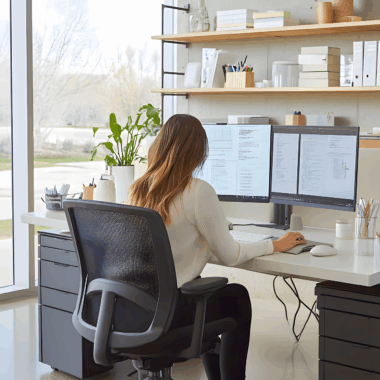
Creating a healthier work environment is essential for everyone, especially those who spend long hours at a desk. The foundation of good ergonomics revolves around proper posture and the arrangement of your workspace. One critical step is to ensure your chair is comfortable and provides adequate support. An ergonomic chair should have adjustable height, lumbar support, and armrests to maintain good posture. Your feet should rest flat on the ground or on a footrest. Proper desk height is equally crucial. If your desk is too high or too low, it can lead to strain on your wrists, back, and shoulders. Ensure your computer monitor is at eye level to avoid neck strain. Additionally, keeping all frequently used items within arm’s reach can help reduce excessive twisting or stretching. Daily habits, like taking regular breaks to stretch, are vital for preventing muscle fatigue. Consider desk exercises that promote movement throughout your day. Staying hydrated also aids in overall wellness and can help maintain concentration.
Adjust Your Equipment
Another essential tip for cultivating a healthier workplace is to adjust your equipment according to your unique body mechanics. A keyboard and mouse should be positioned so that your elbows are at a 90-degree angle. This prevents strain on your wrists and shoulders. Consider using a wrist rest to offer additional support during prolonged computer use. Ensure your computer screen is about an arm’s length away—within the comfort zone that helps reduce eye strain. Invest in an adjustable monitor stand if necessary. Also, consider using noise-canceling headphones for focus and to decrease distractions. Lighting plays a significant role in reducing fatigue, too. Ensure your workspace is well-lit, preferably with natural light, since it can positively influence your mood and energy levels. If that’s not possible, opt for effective overhead and desk lighting that reduces glare on your screen. Additionally, ergonomically designed tools, like a document holder, can keep your neck in a neutral position, reducing discomfort while you read or type. Every adjustment enhances comfort and productivity at work.
Proper posture is foundational in preventing musculoskeletal disorders among employees. Frequent poor posture can lead to various health issues, including chronic pain and weakness. Encourage a straight back while sitting, with your shoulders relaxed and not slouched. This neutral position supports spinal alignment. Incorporating reminders to maintain good posture can be beneficial; consider using software reminders that signal when it’s time to sit up straight or adjust your position. Regular movement is equally essential to combat the negative effects of long periods spent seated. Standing or walking meetings can foster greater movement and interaction among staff. Finding ways to introduce variety in your work position can also be effective. For example, consider a standing desk converter that allows you to work while standing. Many individuals find alternating between sitting and standing increases productivity and reduces fatigue. Always adjust your workstation to fit your needs instead of adjusting your body to fit the workspace. This practice can significantly reduce inflammation, fatigue, and discomfort when done correctly. What may seem like small tweaks to your environment can lead to long-lasting improvements in health and comfort.
Make Movement a Priority
Incorporating movement into your daily routine is a vital aspect of ergonomics that everyone should prioritize. Staying stationary for extended periods can not only cause discomfort but also diminish focus and efficiency. Simple changes can create a more active day without requiring excessive effort. Set a timer to remind yourself to get up every half hour for a brief walk or stretch break. Use these breaks to refill your water bottle, so you stay hydrated and get creative with the ways you move. Walk to a different part of the office for a chat rather than relying on email. You could also take the stairs instead of the elevator. Engaging in these small fitness activities helps build better circulation and energy. Incorporating desk exercises, such as wrist stretches and shoulder shrugs, into your routine can also provide relief. These movements can significantly prevent stiffness in your muscles. Note that standing desks or treadmill desks can further integrate movement into your workday. Find opportunities where physical activity can overlap with work, promoting better health without sacrificing productivity.
Attention to ergonomics also means considering your mental well-being. Stress management plays an essential role in creating a balanced workplace. Use the environment to your advantage by personalizing your space with items that uplift you, such as photos or plants. These small yet impactful changes promote a positive vibe, motivating you to perform at your best. Moreover, the way you organize your workload can alleviate stress headaches and contribute to smoother workflows. For instance, utilize task lists to prioritize activities, setting realistic goals throughout your day without overwhelming yourself. Mindful breathing techniques can also help reduce anxiety and re-center your focus during busy times. Well-being programs by employers that encourage breaks for mental health can have long-term benefits. Activities such as guided meditation or mindfulness sessions can assist in improving concentration levels. Emphasize the necessity of communicating with your team regarding the need for breaks, fostering a collective culture of health. To promote feasible solutions, engage in discussions surrounding mental health needs, resulting in a more supportive environment where colleagues thrive healthily together.
Consult Professional Guidance
If you’re experiencing persistent discomfort or have particular concerns regarding your ergonomics, seeking professional guidance can provide valuable insights. Occupational health professionals specialize in ergonomic assessments, offering advice tailored specifically to your working habits and needs. These assessments can identify areas requiring adjustments you might overlook, resulting in better relief from workplace discomfort. In addition, physical therapists can guide specific exercises aimed at strengthening areas of weakness. Even subtle changes in posture can yield significant benefits, enhancing your overall experience. Workshops or training sessions on ergonomics tailored for teams often lead to improved awareness and understanding among employees. Many organizations also incorporate regular ergonomics training as part of their professional development programs. Encourage management to advocate for these programs to highlight their commitment to staff health and wellness. Beyond workplace assessments, online resources and websites provide extensive information on creating ergonomic workstations and guidelines for improving posture. Adopting these best practices can lead to long-term benefits in terms of performance and lower healthcare costs, providing essential preventive health care for employees.
In the age of technology, recognizing the importance of ergonomics in our daily lives is more critical than ever. By adopting these ten essential tips, you empower yourself and others to create a work environment that prioritizes not just productivity but also physical well-being. Implementing ergonomic principles effectively minimizes the risk of workplace injuries while promoting general health. Regularly revisiting your workspace, even after initial adjustments, ensures that your arrangements continue to serve you well as your role evolves. Encourage interactive discussions within your team about the ergonomics you implement. Sharing experiences can motivate others to adopt new practices, fostering a culture of wellness across your organization. Remember, every small change results in positive accumulation over time. As we understand the relationship between comfort, efficiency, and health, the essence of maintaining good ergonomic practices becomes clear: It is not just a trend, but a necessity for long-term success. Invest time and resources in creating a sustainable work environment that nurtures both body and mind. This responsibility often leads to happier, healthier workforces and improved business outcomes, showcasing the undeniable value of ergonomics.