
Functional Fitness: Outdoor Circuit Training Movements
Outdoor circuit training is a versatile workout that combines functional fitness with the beauty of nature. By utilizing various outdoor settings, practitioners can engage in exercises that enhance strength, endurance, and flexibility. This approach not only boosts physical health but also elevates mental well-being. Circuit training typically consists of a series of exercises performed consecutively with minimal rest, maximizing time efficiency and caloric burn. The outdoor environment adds elements of variability and fun, making the workouts less monotonous. Incorporating equipment such as resistance bands, kettlebells, or even bodyweight exercises can increase intensity. Alternatives like using park benches for step-ups or dips amplify the workout experience. This form of training pushes participants beyond their comfort zones, improving overall fitness levels and preparing them for daily activities. Whether training alone, with a group, or using a personal trainer, the essence of circuit training lies in its adaptability to different locations and fitness abilities. Consistency is critical; committing to a regular schedule yields the best results over time.
Essential Movements in Outdoor Circuit Training
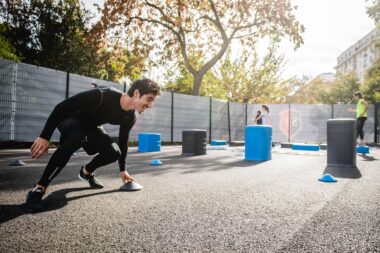
The success of outdoor circuit training relies on incorporating essential movements that target various muscle groups. Key movements include squats, lunges, push-ups, and burpees, each providing a full-body workout. Squats primarily build strength in the legs and glutes, while lunges help in improving balance and coordination. Push-ups, a classic bodyweight exercise, strengthen the upper body, particularly the chest, shoulders, and triceps. Burpees combine strength and cardio into one intense movement, offering full-body conditioning. Additionally, incorporating core exercises, such as planks or mountain climbers, enhances overall core stability, crucial for everyday movements. Utilizing natural terrain, like hills or slopes, can further modify intensity, making workouts harder or easier based on personal fitness levels. Participants can also engage in agility drills, such as ladder drills or cone sprints, to improve speed and coordination. A well-rounded circuit incorporates these movements, allowing individuals to tailor workouts to their preferences, goals, and fitness levels. This adaptability helps maintain motivation and engagement, making fitness enjoyable.
Many people underestimate the importance of warming up before engaging in outdoor circuit training. An effective warm-up session prepares the body for more rigorous activities and significantly reduces the risk of injuries. This phase typically consists of dynamic stretches, such as leg swings, arm circles, and gentle torso twists, which help increase blood flow to muscles and improve flexibility. Dynamic movements activate the central nervous system, enhancing coordination and balance. Following the warm-up, it’s beneficial to incorporate light cardio between exercises, such as jogging in place or jumping jacks. Proper hydration is equally vital, especially during outdoor workouts where temperatures may vary. Drinking water before, during, and after exercising keeps the body hydrated and functioning optimally. Additionally, being aware of weather conditions can greatly impact performance. Hot and humid days can lead to quicker fatigue, while cooler temperatures may feel invigorating but necessitate proper clothing. Educational resources, such as injury prevention tips and warm-up strategies, are essential for individuals wanting to enhance their outdoor circuit training experiences. Taking these precautions ensures participants can enjoy their workouts without the risk of injury.
Creating a Balanced Outdoor Circuit
Establishing a balanced outdoor circuit involves strategically combining strength, endurance, and flexibility exercises while considering personal goals. Participants can create circuits which rotate through each type of exercise, ensuring a well-rounded approach to fitness. For instance, a circuit may include strength exercises such as kettlebell swings followed by an endurance component like running or cycling. Incorporating stretching movements throughout the workout provides essential recovery and promotes flexibility. A sample circuit might consist of three rounds, with each round including a mix of exercises such as push-ups, jumping jacks, and leg stretches. Furthermore, varying the intensity and duration of each exercise can contribute to overall muscle endurance. One effective strategy is interval training, alternating between high-intensity activities and lower-paced recovery periods. Not only does this keep participants engaged, but it also maximizes calorie burn and improves cardiovascular fitness. Incorporating rest and hydration breaks between rounds allows for recovery while adhering to the training schedule. Tailoring circuits to specific skill levels and making adjustments fosters an environment where all participants can thrive and progress.
Outdoor circuit training embraces a communal aspect that encourages participants to bond while improving their fitness levels. Group training sessions foster camaraderie and motivation among individuals with similar goals. Exercising outdoors offers a refreshing change from the gym, allowing participants to connect with nature while engaging in total body workouts. People often find that working out with others not only enhances their commitment to the program but also adds an element of fun. Following a workout, discussing experiences and sharing tips strengthen social connections, reinforcing the project’s collective essence. Moreover, participants witnessing each other’s progress can be incredibly motivating, creating a supportive environment. This shared experience fosters an accountability system, prompting individuals to push themselves further than they might alone. Social media can also play a crucial role; sharing progress, goals, and achievements online can inspire others to participate in outdoor circuit training. Incorporating friendly competitions, such as timed challenges or team workouts, adds excitement and encourages everyone to strive for better results. Ultimately, these elements work together to create a vibrant fitness community, making outdoor workouts an enjoyable experience.
Safety Considerations for Outdoor Workouts
As with any physical activity, safety must be at the forefront during outdoor circuit training. Choosing an appropriate location is essential; surfaces should be even, and environments should be free of potential hazards. Ideally, participants should opt for well-maintained parks or trail areas where they can safely engage in workouts. Before beginning any circuit, it’s critical to assess fitness levels and start with appropriate modifications. Individuals should listen to their bodies and avoid pushing past discomfort to minimize the risk of injury. Additionally, wearing suitable athletic gear, including proper footwear, can significantly enhance performance and reduce the likelihood of accidents. Sunscreen and protective clothing are important, especially during peak sun exposure times. Finding shade during workouts or choosing early mornings or late afternoons can help combat overheating. If training in a group, individuals must maintain awareness of one another’s movements to prevent collisions. Furthermore, it’s advisable to have a communication plan in case of emergencies. Lastly, those new to exercise should consult with healthcare professionals to ensure they are fit for vigorous training. Being proactive about safety creates a comfortable environment for everyone involved.
Incorporating variety into outdoor circuit training is essential to keep workouts exciting and effective. To avoid plateaus, it’s crucial to change routines frequently. This not only enhances physical adaptability but can also prevent boredom during training. Using different outdoor locations, setting up varying equipment, or alternating workout partners can inject novelty into sessions. Additionally, adjusting the duration and intensity of specific exercises can keep participants engaged and challenged. Incorporating themed workout sessions, such as obstacle course challenges or nature scavenger hunts, can further transform the experience. These diverse activities encourage participants to explore while maintaining fitness seamlessly. Outdoor circuit training can also be customized seasonally, utilizing the unique features that each season brings. For instance, incorporating exercises that use fallen leaves, snow, or water can add an exciting twist. Engaging with the local community through outdoor events fosters a spirit of belonging. This emphasis on variety works hand in hand with social experiences, enhancing engagement and motivation. The key is to keep finding new ways to challenge oneself while nurturing the bond formed through shared outdoor experiences.
Ultimately, outdoor circuit training embodies a holistic approach to functional fitness that benefits individuals both physically and mentally. It allows people to connect with their surroundings while engaging in activities tailored to enhance strength, endurance, and coordination. Following safety guidelines, creating well-structured circuits, and introducing variety are essential for maximizing the benefits of outdoor workouts. By embracing these practices, participants can cultivate a sustainable fitness journey that adapts to their lifestyles. Furthermore, the communal nature of group training fosters relationships and accountability. As individuals progress, they earn not only personal achievements but also a robust network of support. The passion for fitness can transform lives, inspiring individuals to break barriers and achieve their goals. Outdoor circuit training represents empowerment and resilience, making fitness a joyful and fulfilling aspect of daily life. Various resources are available for individual customization and improvement in technique and form. Whether a beginner or an experienced athlete, the outdoor environment offers endless opportunities for growth. Participants can continually rediscover their capabilities and redefine their fitness journeys through circuit training. A commitment to this approach instills confidence, encourages outdoor exploration, and ultimately celebrates each individual’s journey towards health.