
How to Develop Snatch Power with Olympic Weightlifting Complexes
Achieving optimal power in the snatch requires an understanding of both technique and training methods. Olympic weightlifting complexes involve several exercises that target the snatch specifically, enabling athletes to develop strength, speed, and coordination. To maximize snatch performance, these complexes can include movements such as the muscle snatch, overhead squat, and snatch balance. Each exercise contributes uniquely, building up specific muscle groups and neural pathways essential for an effective snatch. Strong legs and hips are crucial, as they generate the force needed to lift the barbell from the ground and overhead. After ensuring proper warm-up and mobility, practitioners should focus on their positioning and execution. “Muscle snatches” help refine the initial pull from the ground, emphasizing the importance of hip extension and bar path. Furthermore, the overhead squat ensures stability at full extension, reinforcing proper receiving positions. Emphasizing these key elements in training complexes enhances overall awareness and performance in the snatch. Each lift magnifies the components necessary for mastering this dynamic movement, contributing significantly to an athlete’s success in Olympic weightlifting competitions. Consistent practice and application of these techniques lead to noticeable improvements.
Understanding the Muscle Snatch
The muscle snatch is a pivotal component within Olympic weightlifting complexes designed to boost snatch power. This technical lift isolates the upper body in a unique manner, allowing lifters to optimize their overhead strength and stability. To perform the muscle snatch effectively, practitioners must start with a grip slightly wider than shoulder-width. The lift begins from the hang position, swiftly driving the elbows high while keeping the bar close to the body. This movement showcases the necessity for explosive strength, which is fundamental when transitioning into a full snatch. By incorporating the muscle snatch into training regimens, lifters enhance their pulling strength, translating directly into improved performance when executing the complete snatch. Additionally, attention to foot placement and timing is crucial; therefore, practicing this lift with an emphasis on speed and bar path will yield positive outcomes. Integrating muscle snatches at the beginning of training sessions creates an ideal environment. It primes the central nervous system to connect with subsequent powerlifting movements. Regular practice contributes significantly to overall performance and technical execution through these training experiences, ultimately optimizing the snatch when progressing to heavier weights.
Another crucial exercise in developing snatch power is the overhead squat. This exercise challenges not only strength but also balance and flexibility; these attributes are critical for a successful snatch. To execute the overhead squat, begin with the barbell locked overhead while ensuring the feet are shoulder-width apart. Engaging the core and maintaining an upright torso position enhances stability throughout the lift. As you descend into the squat, aim to keep the barbell over the midfoot, which is essential to avoid losing balance. Deep squats enhance strength and flexibility, building the foundation necessary for confident and smooth snatch execution. Furthermore, the overhead squat also benefits the receiving position, preparing athletes to guide the barbell into place efficiently and assuredly. Regularly integrating overhead squats into weightlifting complexes can lead to improved lift quality and increased confidence. Importantly, athletes should pay attention to their form, ensuring that their knees track over the toes and heels remain grounded. This not only maximizes efficiency but also reduces the risk of injury. By developing through this multifaceted approach, athletes will observe significant and measurable gains within their snatch technique and power output.
The snatch balance is yet another valuable exercise included in Olympic weightlifting complexes focusing on snatch power development. This movement emphasizes the importance of technique and speed under the bar. The snatch balance essentially trains athletes to get into the right receiving position swiftly and efficiently. To perform this lift, place the barbell on the back of the shoulders and start by dipping down slightly into a quarter squat. Then, explosively drive upwards while simultaneously moving your feet into the receiving position. This sequence reinforces muscle memory critical for the actual snatch lift, as it requires timing and coordination. Key benefits of incorporating the snatch balance include enhanced confidence in the catch position and improved reactive strength, essential for efficient weightlifting. Integrating this exercise often can help increase your overall speed and technical execution during competition lifts. Athletic performance is heightened as greater proficiency is achieved. To attain maximal adaptation, varied rep ranges and loads should be included, allowing for progressive overload and mastery of the movement. Consequently, these adaptations improve overall snatch effectiveness, ultimately transforming the athlete’s capacity in Olympic weightlifting.
Importance of Progressive Overload
Progressive overload remains a fundamental principle for enhancing snatch power through Olympic weightlifting complexes. To continuously improve, lifters must impose increasing resistance on their muscles over time, fostering growth and adaptation. Structured training programs should incorporate gradual increments in weight, ensuring that muscles, tendons, and the nervous system can adjust without injury. Variables such as volume, intensity, and frequency can be manipulated to achieve optimal progression. Employing a well-structured training cycle emphasizing these components will enable athletes to reach their snatch goals effectively. Additionally, tracking progress not only provides motivation but also reveals areas requiring improvement. Athletes should maintain detailed training logs to document lifts, weights, and sensation during each workout. This information assists in tailoring future sessions while ensuring that lifters stay focused on their objectives. Furthermore, varying the types of complexes included in training allows for diversified stimulus, preventing plateaus. Varieties like hang snatches, power snatches, and complexes integrating various exercises yield comprehensive adaptations necessary for optimal performance. Consistent engagement and adaptation elevate proficiency across the board, significantly impacting results in snatch performance during competitions and personal benchmarks.
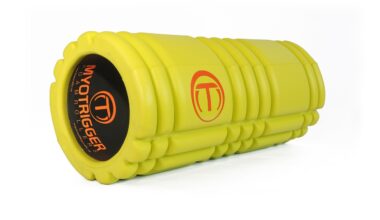
Recovery plays a crucial role in developing snatch power through Olympic weightlifting complexes. It is paramount for athletes to prioritize recovery alongside rigorous training performance. After intense training sessions, adequate rest and recovery sessions will facilitate muscle repair and adaptation. Engaging in active recovery, and incorporating modalities such as foam rolling, dynamic stretching, and mobility work can enhance recovery periods. Additionally, nutrition significantly influences recovery; consuming sufficient protein and carbohydrates post-training assists muscle rebuilding. This nutritional aspect cannot be overlooked when discussing optimization for snatch power. Ensuring impeccable hydration levels is equally important to maintain overall performance levels. Sleep quality cannot be stressed enough, as it complements recovery efforts post-training and contributes to hormonal balance. Regularly assessing recovery strategies ensures lifters remain fresh and capable throughout their training cycles. Ignoring recovery can lead to burnout and hinder overall performance, negatively impacting snatch lifts. Scheduling deload weeks strategically allows further adaptation and prevents overtraining. These considerations should be an integral part of any training structure, solidifying recovery’s role within weightlifting complexes. Ultimately, recovery strategies represent a cornerstone to long-term success, empowering athletes to realize their full potential in snatch execution.
Conclusion: Mastering the Snatch
In conclusion, cultivating snatch power through Olympic weightlifting complexes necessitates a comprehensive approach. Athletes should focus on mastering foundational movements, including the muscle snatch, overhead squat, and snatch balance. Implementing progressive overload is critical to continuous improvement, ensuring that lifters remain challenged while preventing stagnation. Recovery should be an equally prioritized aspect, supporting adaptations essential for optimal muscle function and performance. Exploring various complexes that integrate these core components helps athletes identify areas of improvement, refining their overall technique. Engaging in consistent training routines while maintaining attention to detail will guide athletes in developing their snatch power systematically. By emphasizing the importance of each lift within this training framework, athletes can ensure effective results. Each component builds upon the last, resulting in better overall snatch performance. Realizing the power accumulation in the snatch translates to increased success in Olympic weightlifting competitions. By committing to structured workouts and strategies, combined with proper recovery, athletes can achieve their goals in snatch execution and beyond. Through perseverance and dedication, each athlete can master the snatch, ultimately enhancing their overall lifting capabilities.
The pursuit of snatch power development in Olympic weightlifting is a comprehensive endeavor that blends technique, strength, and strategic training. As athletes engage in focused training complexes, they fine-tune critical components that lead to success. Each lift enhances their understanding of movement mechanics, solidifying the foundation needed for a proficient pull. Adhering to a structured and progressive training regime, athletes can expect substantial improvement in their snatch performance over time. This holistic approach encompasses every facet, ensuring no aspect of development is overlooked. Implementing a mix of lifts that address weaknesses and specific mobility drills enhances their physical capacity. Continuous refinement of technique, combined with diligent practice, leads to efficacy and confidence during performance. A multifaceted training approach will correlate to measurable success in the field of Olympic weightlifting. As athletes incorporate these principles into their routines, they not only cultivate strength but also hone their competitive edge. Through dedicated pursuits, mastery of the snatch is entirely achievable. Ultimately, each lifter’s journey is unique, and by embracing these techniques, they will discover their true potential in the world of Olympic weightlifting.