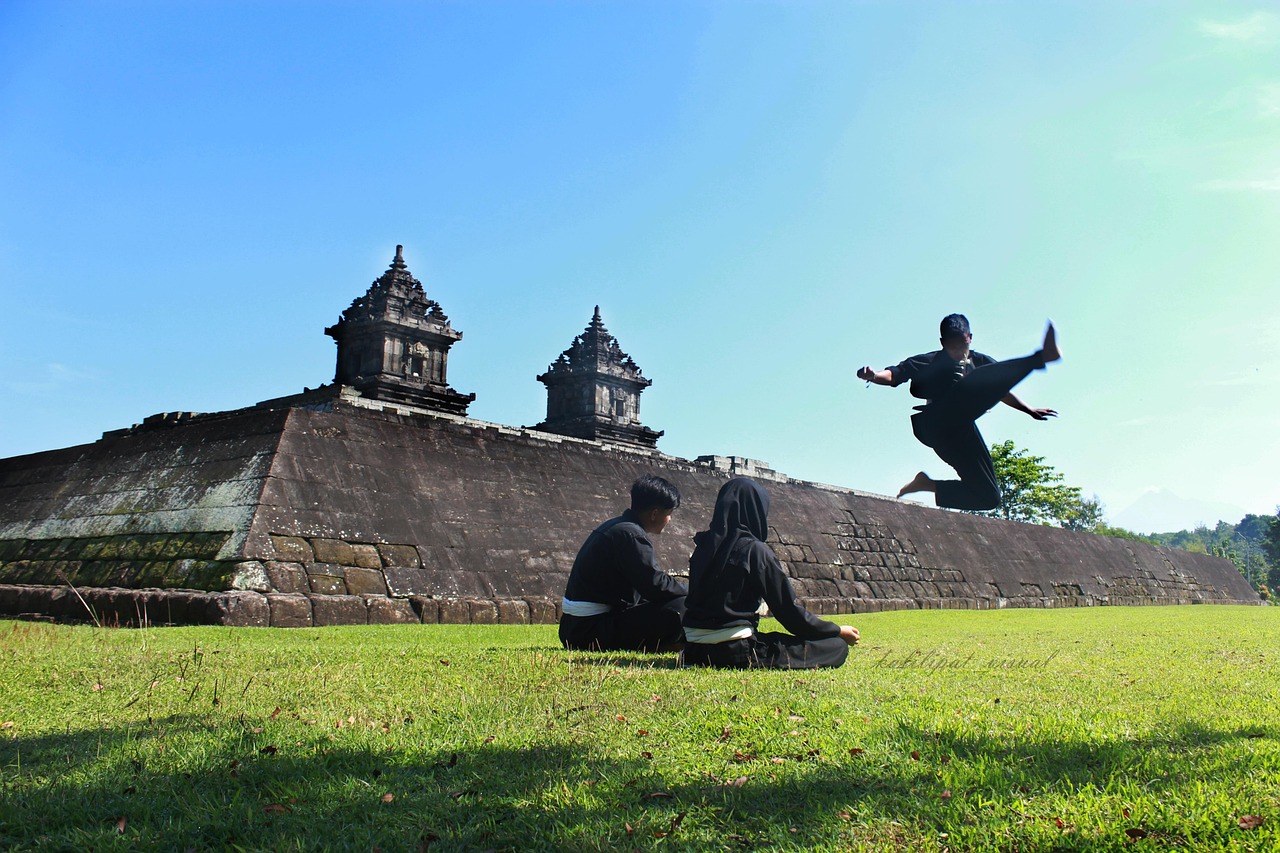

Self-Defense Strategies Using Silat Movements
Self-defense is an essential skill that anyone can benefit from learning. Utilizing Silat, a traditional martial art from Southeast Asia, can equip individuals with powerful techniques and responses for various self-defense situations. It incorporates fluid movements, agility, and strategic awareness, making it effective for defending oneself against potential threats. Practicing Silat not only improves physical fitness but also helps develop mental clarity and focus. Additionally, advancements in training methods have made Silat adaptable, enabling practitioners to tailor their approach to their personal strengths. Incorporating cultural heritage also enriches the entire learning experience, ensuring a deep understanding of Silat’s context. Furthermore, learning through a structured curriculum from an experienced instructor enhances comprehension significantly.
Many self-defense situations benefit from anticipation and awareness. Silat teaches principles that enable students to gauge their environment and identify potential threats. By understanding movement patterns, practitioners enhance their ability to predict an assailant’s actions and respond accordingly. This foresight can dramatically decrease reaction time, which is critical in high-stress situations. Moreover, proper posture and stance are integral to Silat practice; mastering these can give a defensive advantage while establishing confidence. Focus on keeping your spine straight and your feet grounded during training ensures optimal balance. Aside from physical skills, mental readiness cannot be overlooked. The self-defense mindset emphasizes both physical and emotional preparedness.
Techniques and Applications
Silat offers a variety of techniques applicable to real-world self-defense scenarios. For instance, striking techniques can neutralize an aggressive attack quickly. Techniques include palm strikes, elbow shots, and knee strikes, maximizing the impact on an opponent. Additionally, Silat emphasizes joint locks and grappling techniques, which help control an assailant while minimizing the risk of injury to oneself. Learning how to perform these techniques effectively requires diligence, repetition, and patient practice. Furthermore, practicing with partners in a controlled environment improves the ability to respond to unexpected threats. Practitioners learn to adapt their skills dynamically, developing creativity alongside their technical prowess.
Incorporating situational awareness exercises into training can further enhance self-defense capabilities. Silat drills can simulate real-life situations, enabling practitioners to respond appropriately to various forms of aggression. During these exercises, emphasis on both physical movements and mental framework is vital. Role-playing scenarios help reinforce instinctual reactions and decision-making processes under pressure, fostering quick thinking. Moreover, developing an understanding of distance management can greatly influence one’s effectiveness in a self-defense encounter. Practicing footwork and spatial awareness can create opportunities to avoid confrontations or escape effectively when faced with danger.
Disarming Techniques
Disarming techniques are particularly valuable when facing an armed adversary. Silat provides specific techniques aimed at redirecting or neutralizing attacks from weapons such as knives or sticks. Mastering these advanced techniques requires dedication, as practitioners must flawlessly execute movement while maintaining situational awareness. Disarming an assailant may also involve utilizing leverage and positioning, which can turn the tide in a confrontation. Additionally, practicing disarming techniques with credible instructors ensures individuals learn correct methods in a safe environment. Understanding the principles behind these techniques fosters confidence, as practitioners know they can handle various threats. Regular practice solidifies muscle memory, crucial for real-life applications.
Physical conditioning plays a fundamental role in effective self-defense. Silat training incorporates various exercises aimed at enhancing overall strength, flexibility, and agility. Workouts emphasize functional movements that translate directly to practical applications. Activities include bodyweight training, resistance exercises, and cardiovascular drills, which prepare practitioners for demanding self-defense situations. Additionally, mental conditioning through stress management techniques ensures individuals remain calm and focused during confrontations. Meditation and breathing exercises can enhance clarity, so it is advisable to integrate these practices. By focusing on holistic development, individuals become well-rounded martial artists, significantly improving their chances of successful self-defense.
Conclusion
Ultimately, mastering self-defense strategies using Silat movements equips individuals with essential skills that can create significant personal empowerment. Developing balance, confidence, and technical prowess strengthens overall capabilities, allowing individuals to face challenges head-on. Regular training reinforces improvements, creating a community of support among fellow practitioners. In addition, learning Silat creates an appreciation for its history and cultural significance, enriching the journey further. It’s vital for anyone interested in self-defense to approach training with patience and commitment, understanding that proficiency takes time. Whether you’re aiming for personal safety or fitness, engaging with Silat can foster a lifelong journey toward mastery.
By implementing these strategies and techniques in daily practice, practitioners can enhance their self-defense skills gradually. Teaching others about the benefits and importance of self-defense fosters a shared community. Encouraging friends and family to explore Silat can further reinforce skills learned while instilling confidence in the wider community. Advocacy for self-defense education ensures that more people can navigate potentially dangerous situations effectively. Furthermore, continuous education about evolving self-defense techniques keeps practitioners up-to-date with the latest approaches. As societal norms shift, embracing self-defense equips individuals with the resilience to confront challenges confidently. In this way, Silat not only serves as a practical martial art but also as a transformative journey toward responsible self-defense.