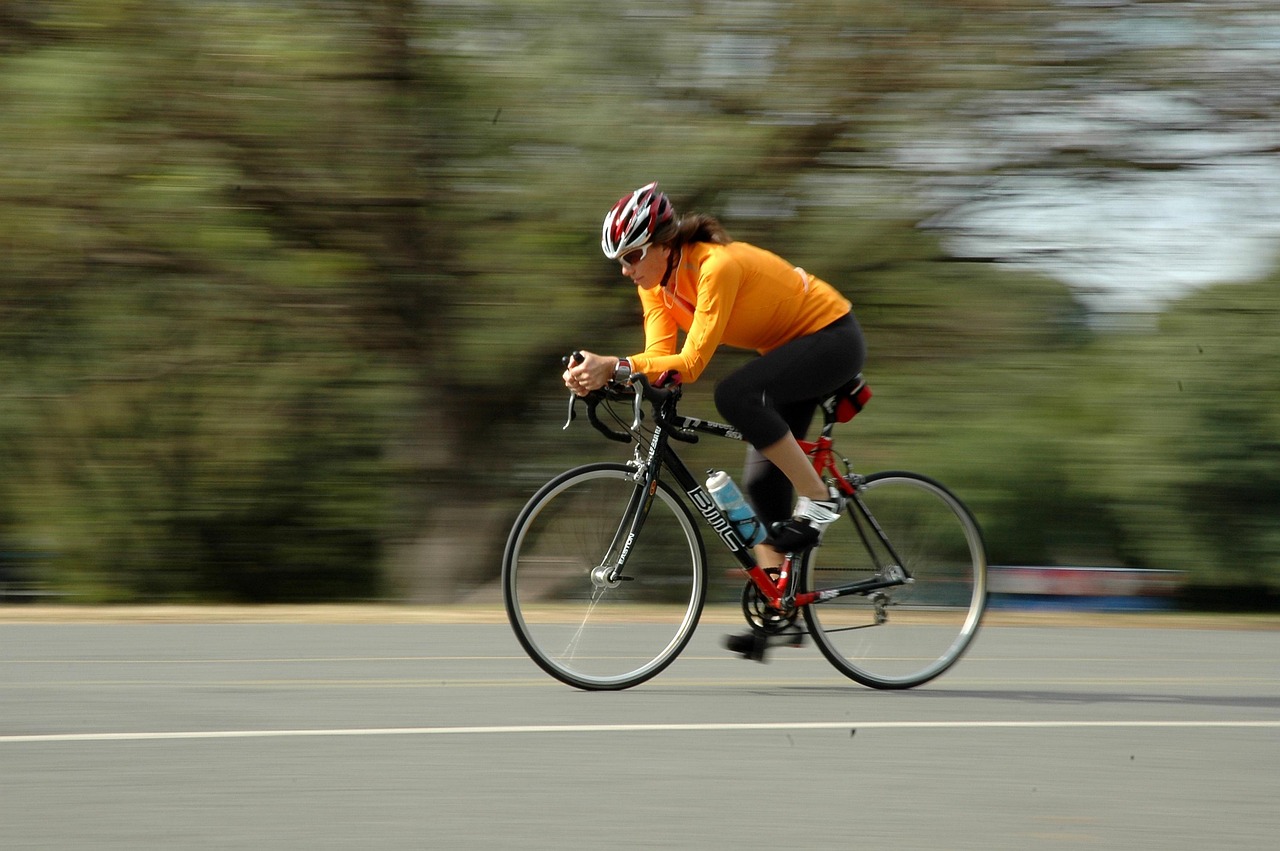

Fitness Tracking for Seasonal Cycling: Best Devices and Tips
As the seasons change, cyclists must adapt their fitness tracking methods. The right devices can enhance your cycling experience and improve performance, regardless of the time of year. When considering fitness tracking tools, cyclists should look for GPS functionality, heart rate monitors, and altimeters. These features can significantly benefit cyclists by tracking essential metrics. For example, a GPS can map routes accurately while recording speed and distance. Additionally, heart rate monitors help gauge exertion levels during workouts. It’s crucial to choose devices that are weather-resistant, particularly for seasonal cycling where conditions may vary. Look for brands known for their reliability in outdoor environments. Using a combination of these tools can provide a comprehensive view of your cycling performance throughout the year. Popular options include smartwatches with fitness tracking apps or dedicated cycling computers. Be sure to check for user-friendly interfaces and battery life, ensuring devices can last through long rides. Investing in quality fitness tracking tools is an essential part of any cyclist’s journey, making it easier to set goals and track progress effectively.
In addition to selecting the right fitness tracking devices, cyclists should also consider the software and applications that accompany these tools. Many cycling computers and smartwatches offer companion apps for tracking workouts, analyzing performance, and setting challenges. Using these apps can potentially take your cycling fitness to a new level. Features like route planning, performance comparison, and social aspects motivate cyclists to stay engaged. Many of these applications are compatible with popular platforms that help users share experiences with friends. Collaboration adds an appealing social dimension to fitness tracking, enhancing overall enjoyment. Features like challenges or leaderboards can encourage friendly competition, driving motivation further. Moreover, most apps provide online communities, offering a space for cyclists to discuss tips and share progress. These platforms can help individuals find local cycling groups, which can improve fitness by fostering camaraderie. Look for features that match your cycling goals and preferences. Integration between devices and apps is also essential, as seamless operation helps ensure that all data collected is meaningful, enabling better tracking and progress evaluation.
Regular Maintenance Checks
Regular maintenance of both your bike and tracking devices is crucial for optimal performance. Seasonal cycling can lead to wear and tear, impacting both safety and fitness metrics. Ensuring that your bike is in top condition drastically affects your performance on rides. Cyclists should frequently check tire pressure, brakes, and chain condition. Proper tire pressure improves efficiency and reduces the risk of flats, while well-maintained brakes enhance safety during unexpected stops. Periodically cleaning and lubricating the chain is necessary to maintain smooth gear transitions. However, fitness trackers also require attention. Regular software updates can ensure the device incorporates the latest features and security patches. Failure to update may lead to inaccurate data collection over time. Before each season, inspect device sensors for dirt build-up, as this may interfere with functions such as heart rate monitoring. Keeping both bike and technology in prime condition contributes greatly to an enjoyable ride. Relying on a well-maintained system provides confidence during cycling adventures. All these efforts lead to improved tracking results and a better understanding of personal performance trends over time.
Interpreting data from fitness trackers can seem daunting initially, but it’s vital for cycling improvement. Learning how to analyze metrics such as average speed, heart rate, or calories burned allows cyclists to make informed decisions. Use the data to set realistic fitness goals and plan training sessions effectively. For example, noticing a gradual increase in heart rate during rides can signal the need for recovery or a change in training intensity. Tracking performance over weeks or months enables cyclists to observe trends, which may indicate areas for improvement. It’s also essential to recognize that not every ride has to be at maximum effort; maintaining balance is key for sustained performance. Remember to account for seasonal variations that may impact data outcomes. Cyclists may notice different speeds or heart rates during cold or hot weather, making it crucial to adjust expectations based on external factors. A clear understanding of personal and environmental factors paves the way for long-term success. Setting benchmarks based on individual performance can motivate cyclists while also aiding in evaluating progress through various seasons.
Staying Motivated Throughout Seasonal Changes
Cyclists often face motivational challenges as seasons shift, impacting their commitment to fitness routines. Seasonal changes can lead to varying conditions, and remaining active can become difficult. Implementing strategic fitness tracking tools can help combat these issues. One approach is to set specific seasonal goals tied to your fitness tracker, enhancing commitment. Tracking progress towards these objectives keeps the drive alive even during less favorable weather. Many cyclists also benefit from transitioning indoor cycling sessions which can help maintain fitness levels when outdoor rides aren’t possible. Using apps that offer structured workouts on stationary bikes makes a substantial difference! Additionally, groups or community challenges seen on fitness apps might provide the much-needed motivation to keep pushing forward. Relying on virtual accountability partners encourages goal attainment. Engaging in friendly rivalries fosters excitement that can pull individuals through challenging months. These strategies cater to various preferences, ensuring cyclists find effective solutions during transitions. Ultimately, fitness tracking devices can enhance the social aspect of cycling, promoting motivation and engagement no matter the season. Maintain an adaptive mindset to overcome barriers throughout the year while pursuing cycling goals.
As technology continues to evolve, so does the range of fitness tracking devices available. With many options on the market, finding the ideal fitness tracker for cycling can seem overwhelming. Cyclists should focus on essential features that align with personal needs rather than getting swayed by marketing. Look for devices that are lightweight, offer extended battery life, and are durable enough for varied weather conditions. Advanced features, such as built-in navigation or customizable alerts, can further enhance the cycling experience. Ensure compatibility with smartphones for efficient data syncing and access to additional features. Reviews and comparisons can provide valuable insights into the best choices available. Additionally, consider user interfaces and ease of use, as a straightforward design can lead to higher satisfaction. Don’t shy away from testing devices in stores or accessing trial periods online, as firsthand experience allows for better understanding of functionalities. In surfing through budgeting concerns, determine what features are truly necessary for maximum benefit. Selecting the right fitness tracker for seasonal cycling enables riders to track performance effectively and enjoy every ride to the fullest.
Conclusion: Embrace Seasonal Cycling with the Right Tools
Ultimately, embracing seasonal cycling means being equipped with the proper fitness tracking tools and embracing adaptive strategies. The right fitness tracking devices significantly enhance performance improvement and motivation throughout various weather conditions. Inspect your fitness tools regularly while interpreting data meaningfully to ensure you adapt effectively. Gathering knowledge about your cycling patterns will help optimize performance goals and lead you on a path toward continuous improvement. Engaging with apps and communities adds another layer of excitement and community support, driving motivation forward. Explore various options in the fitness tracker market to find the devices that best fit your unique cycling needs and lifestyle. Both introductory and advanced users must learn the ways their bikes interact with fitness technology. Furthermore, persistence in challenging seasonal cycling conditions can yield remarkable results, enhancing overall fitness and enjoyment. With the right mindset and tools, cyclists can thrive through any season, turning every ride into an opportunity for growth. Utilize these seasonal fitness tips to elevate your cycling experience and achieve remarkable personal milestones.
By integrating all aspects of fitness tracking, you can gain valuable insights that will take your seasonal cycling to the next level. From choosing the right devices to understanding their outputs, cyclists can create a comprehensive strategy for their fitness journey.