
Pilates Mat Workouts for Home Practice: A Woman’s Guide
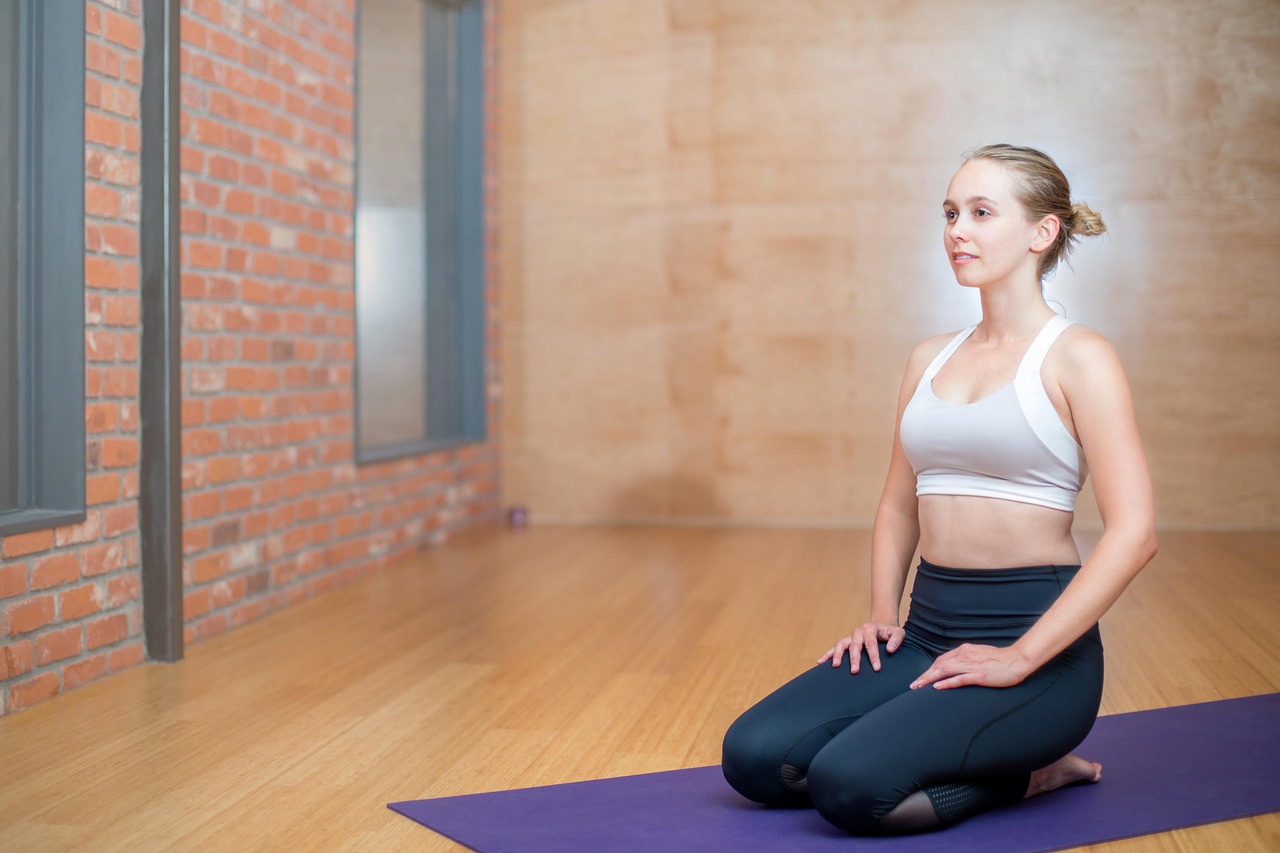
Pilates mat workouts are an effective way for women to enhance their fitness level without requiring expensive gym memberships or high-tech equipment. This form of exercise emphasizes core strength, flexibility, and muscle control. Begin by setting a designated area in your home, ideally with a flat, soft surface. A yoga mat is perfect as it provides cushioning and grip for all movements. Consistent practice can lead to improved posture, body awareness, and increased range of motion. Another key benefit is that Pilates is adaptable for various fitness levels, allowing beginners and seasoned practitioners to benefit. It incorporates movements designed to target various muscle groups, promoting overall body wellness without straining the body. A well-structured mat workout can include exercises like the Hundred, Roll-Up, and Single Leg Stretch, catering to both strength training and flexibility. Devise a weekly schedule to help cultivate a routine. With the right mindset, every session contributes progress, leading to greater confidence in your physical abilities and overall health.
Essential Pilates Equipment for Women
When practicing Pilates at home, it’s crucial to consider the essential equipment that can enhance your workouts. While many Pilates moves utilize just a mat, incorporating additional props can amplify the benefits of your practice. A few key items include resistance bands, magic circles, and small weights. These tools can provide varied resistance, challenge your muscles, and improve strength. Moreover, a foam roller can help enhance core stability and encourage muscle recovery between workouts. When selecting equipment, focus on quality over quantity. Investing in durable, reliable gear can significantly enhance your practice experience. Ensure that any props you choose align with your fitness goals. Many women appreciate the versatility these items provide, allowing for creativity within their routines. When comfortable with these basics, you can begin to explore more advanced techniques and sequences. As your skills develop, incorporating these tools can help to intensify workouts while decreasing the risk of injury. Ultimately, establishing a home Pilates setup with the right equipment can lead to a sustainable practice that bolsters both physical and mental health.
To maintain motivation during your home Pilates journey, consider setting specific goals. Clear objectives can guide your practice as you track improvements over time. These goals might include mastering certain movements or achieving more fluid transitions between exercises. Having defined targets can ignite your enthusiasm during each session. Keep a fitness journal to note your progress, jotting down achievements and feelings following your workouts. Drawing attention to your improvements can foster a sense of accomplishment, making it easier to establish a long-term commitment. Additionally, inviting a friend or family member to join your practice can enhance accountability and make workouts enjoyable. Participating in sessions together creates a supportive environment where both can share tips, encouragement, and laughter. Using technology like fitness apps can also provide structure; many offer guided workouts and track your progress. Online classes and videos allow women of all levels access to expert instruction without needing to leave home. Ultimately, discovering what motivates you personally, whether tracking progress or engaging with friends, is vital to sustaining your routine.
Designing an Effective Pilates Routine
Creating an effective Pilates routine involves balancing various elements for the best possible results. Start with a warm-up that focuses on breath control to prepare your muscles and enhance your mind-body connection. Incorporate a mix of strength, flexibility, and coordination exercises throughout your practice. Sequence your workout to progressively increase difficulty; for example, you may start with basic movements and gradually incorporate more challenging alternatives. Consider targeting different muscle groups each session to ensure a full-body workout throughout the week. Including both standing and mat movements helps maintain engagement while promoting body awareness. Aim for a minimum of three sessions weekly on non-consecutive days to allow for recovery. Recovery time assists with muscle repair and growth, ensuring your body adapts positively to the workout. Moreover, focusing on form over quantity is essential; prioritize precision and control to avoid injury. It’s better to perform fewer repetitions with excellent technique than to rush through many while compromising your form. Thoughtfully connecting each movement can enhance performance and deepen your understanding of Pilates.
Integrating mindfulness into your Pilates practice can greatly enhance your experience. Pilates isn’t solely a physical workout but also an opportunity for mental clarity and stress relief. Begin each session by centering your thoughts; take a moment to focus on your breath, letting go of distractions. Practicing mindfulness can heighten your awareness of your body as you execute movements. Cultivating connections between breath and movement lays a solid foundation for success in Pilates. As you progress through each exercise, concentrate on how your body feels and the effectiveness of each movement. If any discomfort arises, modify the intensity for optimal safety. Fostering this mindful approach fosters patience and self-compassion, which are integral to maintaining a consistent practice. Additionally, consider incorporating visualization techniques; imagine the muscle groups you are targeting and how they engage. These techniques can improve focus and ultimately lead to better results. Concentrating on the overall experience rather than just physical outcomes can transform your practice into a holistic exploration of wellness. In this way, Pilates becomes a nourishing practice for both body and soul.
Evaluating Your Progress
As you delve deeper into your Pilates journey, evaluating your progress is essential to understand your growth and achievements. Regular assessments allow you to identify areas of improvement, ensuring that you remain motivated and engaged. One effective way to evaluate your progress is by taking photographs or recordings of your sessions. Documenting your form during various movements can provide visual cues for technique refinement. Comparing these over weeks or months can reveal substantial growth. Another evaluation method involves performing a set of predetermined exercises at consistent intervals, assessing your strength and endurance capabilities. Pay attention to your performance in exercises that initially challenged you—much progress can be acknowledged through increased proficiency or ease. Keeping detailed notes on your feelings and experiences can also enhance your reflection process. Evaluate your mental connection and intentions; this helps determine how Pilates influences your mindset and emotional wellbeing. Ultimately, embracing the journey as a continuous evolution ensures that your Pilates practice remains fulfilling and beneficial, as you celebrate personal milestones and recognize overall improvements.
Lastly, conclude your home Pilates practice by incorporating a cooldown and stretching routine. Ending your workout properly allows your muscles to recover, decreases soreness, and promotes flexibility. A cooldown fosters a sense of completion, allowing you to reflect on the session and acknowledge your hard work. In this final phase, focus on gentle stretches that target areas engaged during your workout. Incorporating techniques like breathing exercises can further enhance relaxation, grounding you mentally and physically after your practice. Each cooldown should last approximately 5 to 10 minutes, ensuring ample time to stretch major muscle groups while allowing heart rates to gradually lower. Tools like foam rollers can enhance this phase, enabling deeper muscle relaxation. Create a comforting environment by dimming the lights and playing soothing music or ambient sounds. Prioritize self-care after your workout; consider drinking water or a nourishing smoothie to refuel your body. This ritual can serve as a reward for your dedication, reinforcing positive habits. In summary, taking the time to cool down ensures that you leave your Pilates practice feeling energized and rejuvenated.