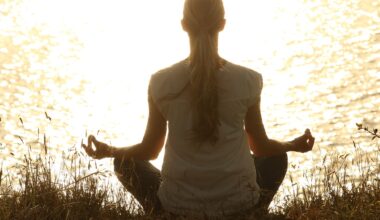

Yoga and Meditation Techniques for Better Sleep
In today’s fast-paced world, sleep disorders like insomnia and restless leg syndrome are common. Many people struggle to fall asleep due to stress, anxiety, and an overactive mind. Among various approaches, yoga and meditation are increasingly recognized as effective means to enhance sleep quality. These practices not only promote relaxation but also help balance the mind and body, effectively reducing the effects of stress. It is essential to focus on specific techniques that can aid in improving sleep. Integrating these techniques into your daily routine can lead to transformative benefits. In this article, we will explore various yoga postures and meditation practices aimed at improving sleep patterns.
One effective technique is the practice of restorative yoga. This gentle form of yoga focuses on relaxation and involves poses that are supported by props. These poses, held for extended periods, encourage the release of tension and promote deep relaxation. Notable restorative postures include Child’s Pose and Legs-Up-The-Wall Pose. These can gently stretch and calm the nervous system, making it easier to transition to sleep. Furthermore, incorporating deep breathing exercises into restorative yoga amplifies its effects. Emphasizing a longer exhale can trigger the body’s relaxation response. When combined, restorative yoga and deep breathing can lead to restful sleep, making them excellent practices to adopt.
Mindfulness Meditation for Sleep
Another powerful approach is mindfulness meditation, where you focus on the present moment without judgment. This technique helps quiet the mind by letting go of any intrusive thoughts that can disrupt sleep. It often involves concentrated breathing and visualizations to create a calming mental space. Practicing mindfulness meditation for even a few minutes before bed can reduce stress levels significantly. Research shows that individuals who engage in regular meditation sleep better, have improved sleep efficiency, and report greater overall well-being. Establishing a consistent mindfulness practice allows individuals to develop awareness and acceptance, ultimately leading to enhanced sleep quality.
Additionally, engaging in gentle yoga before bedtime can have profound effects on sleep. Poses like Supta Baddha Konasana (Reclining Bound Angle Pose) and Viparita Karani (Legs-Up-The-Wall Pose) can help relax the body, stretching tight muscles, and releasing the day’s tension. As these poses encourage relaxation, they facilitate a smoother transition into sleep. Moreover, focusing on the breath while performing these poses can enhance the calming effect, preparing the mind for a restful night. It is crucial to practice these yoga sessions in a tranquil setting, free from distractions, to maximize their efficacy.
Combining Yoga with Aromatherapy
Aromatherapy can be a beneficial addition to yoga and meditation practices aimed at better sleep. Essential oils such as lavender and chamomile have calming properties that promote relaxation. You can use these oils in a diffuser during your bedtime routine or apply them topically, mixed with a carrier oil. Combining gentle yoga stretches with the soothing scent of lavender can enhance relaxation. Incorporating deep breathing while inhaling these calming aromas can provide a complete sensory experience conducive to sleep. Research has indicated that the scent of lavender can improve overall sleep quality and duration, proving the effectiveness of such combinations.
Lastly, maintaining a consistent routine that incorporates yoga and meditation is valuable for improving overall sleep health. Regular practice, even if it’s just 10-15 minutes each day, can help establish a calming ritual before bedtime. It signals to your body that it’s time to unwind, helping you develop a healthier sleep pattern. Consistency is key in reaping the full benefits of these techniques. While it may take time to notice significant changes, patience and persistence are essential. Alongside yoga and meditation, exploring other lifestyle changes may also support your journey to better sleep, such as avoiding screens before bed.
Final Thoughts
In summary, incorporating yoga and meditation techniques can have a profound impact on overcoming common sleep disorders. From restorative yoga to mindfulness meditation, each technique contributes uniquely to enhancing sleep quality. Coupling these practices with aromatherapy can create a holistic approach to well-being. As you embrace these practices, remember that results may take time, and consistency is crucial. Transform your evenings into sacred moments for relaxation and self-rejuvenation. With dedication, you can significantly improve your sleep and overall health, leading to a happier, more balanced life.
In conclusion, as we navigate the complex relationships between sleep disorders and life stresses, holistic techniques like yoga and meditation offer promising avenues. They encourage mental and physical well-being, enhancing our natural ability to calm and prepare for sleep. By fostering these habits, you empower yourself to combat insomnia, anxiety, and other common sleep issues. Engage with your body and mind while embracing these techniques, and experience the serene journey towards better sleep quality. Implementing these holistic practices can transform not only your sleep but your entire well-being, allowing you to flourish in daily life.