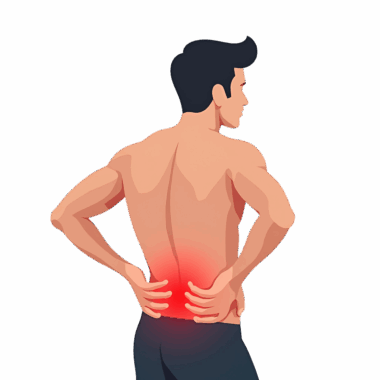

Navigating Flare-Ups with Adaptive Fitness Plans
Chronic pain can significantly impact your daily life, making even simple activities seem overwhelming. However, adaptive fitness offers a pathway to manage flare-ups effectively. A tailored fitness plan is essential for navigating such challenges. Focusing on exercises that consider your unique pain levels can enhance your daily routine. Low-impact activities are often more forgiving, minimizing discomfort while promoting mobility. Some effective exercises include swimming, cycling, or yoga, which are gentle on joints and muscles. Additionally, engaging in regular stretches can improve flexibility, allowing for smoother movements. Nutrition also plays a crucial role; adopting anti-inflammatory foods—like leafy greens, nuts, and fatty fish—can support your body’s healing process. Consult a healthcare provider before starting any program, as they can guide you in developing safe routines that accommodate your chronic pain. Keeping a diary tracking pain levels, exercises performed, and emotional state may help identify patterns, allowing you to adjust your plan as necessary. Surrounding yourself with supportive individuals and communities can motivate you to stay engaged and take ownership of your fitness goals.
Understanding Your Body’s Signals
Listening to your body is vital when managing chronic pain through fitness. Understanding your limits can prevent aggravation of symptoms during flare-ups. Early signs of overstressing your body include increased pain, fatigue, or loss of motivation. In such cases, it’s crucial to modify your workouts accordingly. This could mean reducing the intensity or duration of your exercise sessions or substituting high-impact activities with low-impact alternatives. It’s also beneficial to incorporate rest days into your schedule, allowing your body to recover and regain strength. Incorporating mindfulness practices, like meditation or deep-breathing techniques, can help in recognizing when your body needs a break. Taking the time to reflect on how different exercises affect your pain levels empowers you to make informed decisions regarding your fitness journey. You might consider practicing guided imagery or visualization techniques, which can reduce pain perception. Finally, be patient with yourself; adapting to new routines and understanding your body takes time and persistence. Prioritize small victories, celebrating your successes in navigating this journey toward improved well-being and overall health.
When dealing with flare-ups, modification is key; pay attention to how your body responds to various exercises. Adapting your fitness regime can help in managing pain more effectively. For instance, if walking becomes too intense, water aerobics or stationary cycling can be excellent alternatives. To further reduce the risk of injury, focus on strength training that reinforces your core stability; exercises that engage these muscles provide better support for everyday activities. Implementing physical aids, such as resistance bands or exercise balls, can also enhance safety and effectiveness. Consider working with a certified adaptive fitness trainer familiar with chronic pain management strategies, providing you with personalized guidance. They can ensure you perform movements correctly, minimizing the risk of injury while maximizing your workout’s benefits. Sharing your fitness goals with them allows for adjustment and accountability in your routine. You may also find it helpful to join adaptive fitness classes in your community, where like-minded individuals share experiences and support each other through challenges. Finding strength and encouragement in others can make navigating chronic pain less daunting and more rewarding.
Creating a Relaxation Routine
Integrating relaxation techniques into your fitness journey can significantly aid in managing chronic pain. Activities such as gentle yoga or tai chi promote both physical and mental calming benefits, creating a well-rounded approach to pain management. These practices focus on breath control, enhancing relaxation while improving body awareness. Additionally, restorative yoga positions can effectively reduce tension in the body, particularly where discomfort is commonly experienced. Alongside physical activities, consider incorporating daily mindfulness sessions, such as guided meditations, to foster a tranquil mind, aiding in the overall management of chronic pain. Setting aside specific times for relaxation can help you establish a healthy routine. If your schedule is busy, even five or ten minutes can make a difference. Music therapy has also shown positive effects on pain relief, offering emotional support and enhancing relaxation. Creating a space free from distractions where you can perform these techniques is crucial. Experiment with different relaxation strategies to discover what resonates best with you. This can foster resilience, allowing you to approach challenging periods with a sense of calm and control.
As you establish routine practices, consider your mental well-being alongside physical conditioning. Chronic pain often takes a toll on emotional health, making self-care initiatives essential. Engaging in enjoyable activities can provide joy, offsetting the challenges brought on by pain management. Activities may include hobbies like painting, gardening, or any form of creative expression. Pursuing these interests fosters a sense of accomplishment, which can elevate mood. You might also explore journaling, which can offer significant insights into your experiences, encouraging reflection and emotional processing. Build connections with others who share similar struggles; understanding and sharing experiences can create a deeper sense of belonging and reduce isolation. Support groups exist both in-person and online, fostering community and mutual empowerment. Informing family and friends about your needs helps them better understand your challenges and supporting your fitness journey. It’s essential to communicate openly about your experiences, creating a network of accountability for your personal goals. Finding a balance between social engagement and self-care can lead to significant improvements in both your physical and mental landscapes.
Embracing Small Wins
Celebrating small victories is vital in managing chronic pain through adaptive fitness. Each step forward, no matter how minor, contributes to overall progress. For instance, if you’ve completed a week of consistent workouts, reward yourself with a soothing bath or a favorite snack. This practice reinforces positive behaviors and builds motivation for continued effort. Additionally, maintain a record of your achievements; seeing how far you’ve come can empower you in challenging moments. Keep in mind that setbacks are normal; they should not discourage you from your journey. Learning to navigate fluctuations in energy can teach resilience and patience. Engage in activities that bring you joy during tougher days, allowing yourself to recharge and replenish energy. Seek inspiration from testimonials of others who have successfully adapted their fitness regimens in the face of chronic pain; their experiences might inspire you in difficult periods. Community forums often provide uplifting stories of individuals overcoming obstacles, showcasing the power of determination. Practicing gratitude, even for the smallest accomplishments, can heighten motivation and shape a positive mindset that fuels your journey towards well-being.
Consistency in your fitness regimen, no matter what, will yield long-term benefits. A comprehensive approach to fitness incorporates physical, emotional, and social elements, creating a holistic landscape in which to thrive. Regularly review and adjust your adaptive fitness plan to ensure it continues meeting your needs; staying flexible in this pursuit is vital. You may also want to collaborate with healthcare professionals to explore new coping strategies, continuously informing your adaptive approach. Staying educated about evolving techniques and methods can empower you to take control of your chronic pain journey proactively. Remember to focus on improvement rather than perfection; each step forward is a testament to your resilience. In time, you may discover that your body welcomes challenges previously thought impossible. Combining both intentional movements with deep self-awareness cultivates a distinctly empowering experience. Embrace the journey, prioritize your well-being, and recognize that adaptation takes time. In return, you’ll build the tools necessary for flourishing in the face of chronic pain. As you navigate the intricacies of this journey, the importance of self-love and compassion cannot be overstated. Your determination inspires both you and others to tackle similar challenges.