
Balancing Macronutrients in Vegetarian Pre-Workout Meals
Proper nutrition is essential to enhance performance, especially in vegetarian diets. When planning a pre-workout meal, consider balancing macronutrients like carbohydrates, proteins, and fats. Carbohydrates supply quick energy, while proteins assist in muscle recovery and growth. Fats, although slower to digest, provide sustained energy. Aim for a pre-workout meal that features complex carbohydrates from whole grains, leafy greens, or legumes. For protein sources, consider plant-based options such as tofu, lentils, and chickpeas. Fats can be easily sourced from nuts, seeds, or avocados. Given the importance of digestion, try to consume your pre-workout meal at least 60 to 90 minutes before your exercise session. Additionally, don’t forget to stay hydrated by drinking sufficient water or an electrolyte-rich drink. Furthermore, you can enhance nutrient absorption by not overwhelming your body with too much food at once. The key is to enjoy your meal while considering the nutritional balance that will support your fitness goals. Experimenting with different ratios of macronutrients may help you discover what works best for your body.
Understanding Carbohydrates in Vegetarian Diets
Carbohydrates are vital for providing immediate energy athletes require during their workouts. Complex carbohydrates are preferred over simple sugars as they are packed with fiber, helping in gradual energy release. Excellent sources of vegetarian complex carbohydrates include oats, quinoa, brown rice, sweet potatoes, and whole-grain bread. Including these carbohydrates in a pre-workout meal will ensure your muscles have enough glycogen to perform optimally. Additionally, pairing carbs with a moderate protein source can aid muscle preservation during workouts. An ideal pre-workout snack could be a bowl of oatmeal topped with banana slices or a sweet potato with black beans. Not only will such meals support sustained energy levels, but they also offer essential micronutrients. Keep in mind that the timing of your carbohydrate intake matters; consuming them too late may leave you feeling sluggish. Instead, aim to consume a balanced carbohydrate-rich meal about two hours before exercise if possible. This strategy helps to maximize energy availability during workouts while helping you to achieve your fitness objectives more efficiently.
Protein plays a crucial role in muscle repair and recovery, especially for vegetarians who may not consume traditional meat sources. As athletes, it’s essential to include high-quality plant-based proteins in your pre-workout nutrition regimen. Some excellent vegetarian protein sources include lentils, chickpeas, tempeh, and quinoa. When consumed in the recommended amounts, these foods provide ample essential amino acids essential for muscle synthesis. For instance, adding a serving of Greek yogurt with a fruit smoothie can create a delightful pre-workout option that combines carbohydrates with high-quality protein. Nuts and seeds, such as pumpkin seeds and chia seeds, can be sprinkled over salads or smoothies for added protein and healthy fats. It’s also important to consider your individual protein needs based on your weight, workout intensity, and overall fitness goals. Aim for a protein intake of around 15-25 grams before your workout. These strategies ensure that you support muscle growth while optimizing overall performance. Experimenting with various vegetarian protein sources helps keep your meal exciting and enjoyable without compromising nutritional requirements.
Healthy Fats and Their Role
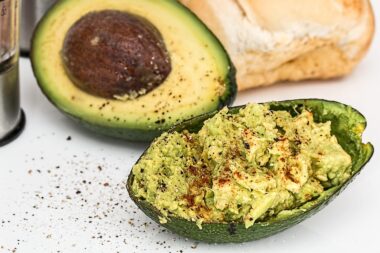
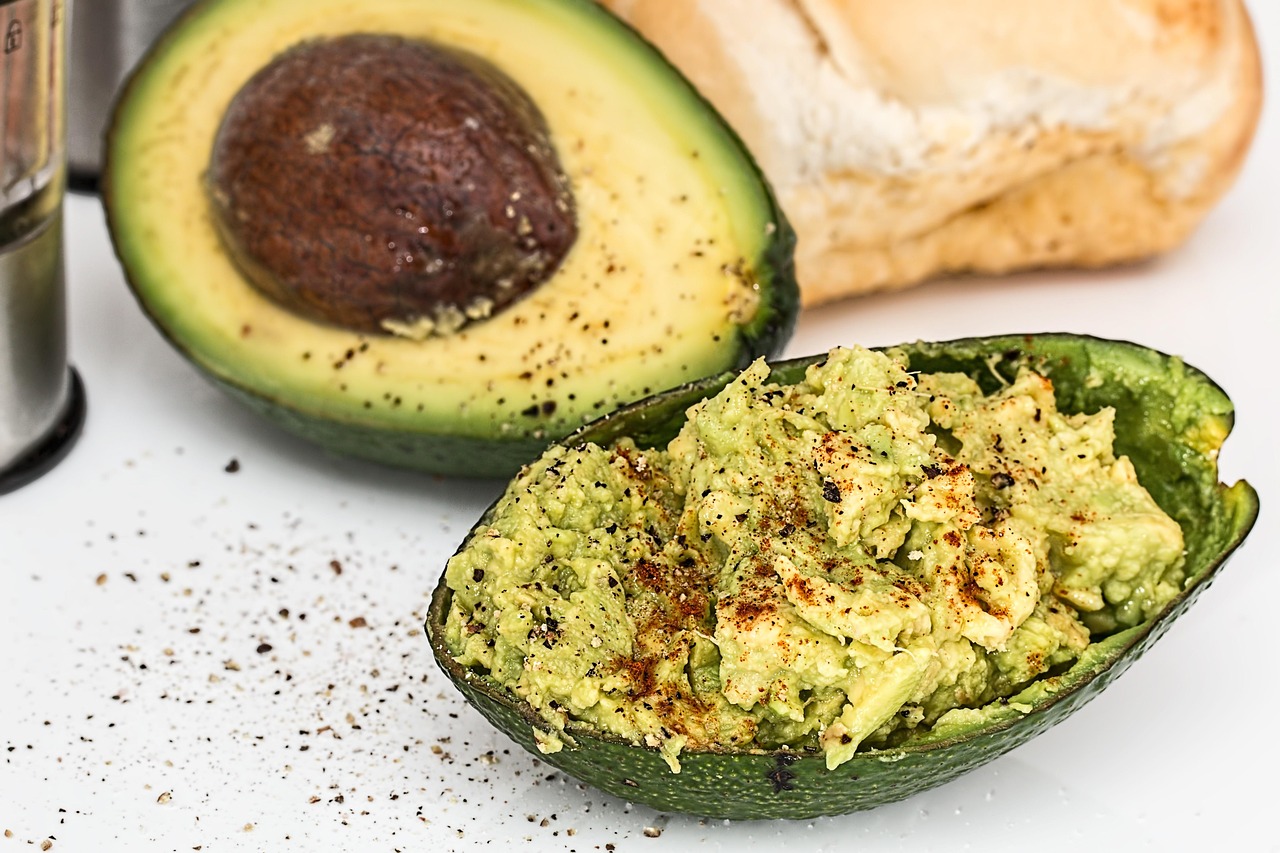
Including healthy fats in your pre-workout meals contributes to optimal energy levels and hormone regulation. While fats are slower to digest, they can provide sustainable energy during longer workouts or intense training sessions. Avocados are an excellent source of healthy monounsaturated fats, which are beneficial for overall heart health and energy metabolism. Incorporating a small amount of fats can enhance the feeling of satiety, ensuring you won’t feel hungry before your exercise. Other healthy fat sources include nuts, seeds, and oils like olive oil or flaxseed oil. Making a smoothie with spinach, chia seeds, and flaxseed oil can offer a balanced pre-workout option. It’s crucial, however, to consume fats in moderation, as too much fat can cause digestive issues and sluggishness during workouts. Aim for a balance of macronutrients rather than a fat-dominant meal, focusing instead on a harmonious blend. This approach will not only nourish your body effectively but also keep your workout performance at its peak. Don’t forget to listen to your digestive cues for optimal timing and portion sizes in relation to your personal fitness goals.
Hydration plays a significant role in pre-workout nutrition, especially for those following a vegetarian lifestyle. Adequate fluid intake helps prevent dehydration and maximizes athletic performance during workouts. Water is essential, but you can also incorporate electrolyte-rich beverages to replenish vital minerals lost during exercise. Coconut water and homemade sports drinks are excellent options for hydration. Additionally, the timing of your fluid consumption can impact your workout quality; try to drink adequate fluids in the hours leading up to your exercise. Target drinking small amounts often rather than large amounts all at once, focusing on hydrating regularly throughout the day. Furthermore, consuming water-rich foods such as cucumbers and oranges in your pre-workout meal can also assist hydration efforts. An ideal pre-workout combination could be a smoothie made from fruits like watermelon, which are naturally hydrating. Ultimately, listening to your body and adjusting your hydration strategy according to your activity level will optimize performance. Staying properly hydrated can greatly influence endurance, strength, and overall satisfaction with workouts.
Customization for Individual Needs
Each athlete’s dietary needs vary significantly, especially for vegetarians, making customized meal plans essential. Understanding your body’s unique requirements is vital for experiencing optimal performance. Factors such as workout intensity, duration, and personal fitness goals dictate what you might need prior to a workout. For example, someone involved in heavy weight lifting may require different macronutrient ratios compared to someone focused on long-distance running. Creating a pre-workout meal plan that adjusts protein, carbohydrates, and fats based on not only your workout plan but also your individual preferences will ensure proper nourishment. Keep track of what foods fuel your workouts best; consider journaling your meals and corresponding performance levels. You may find certain foods lead to eating discomfort or inhibit energy levels. Adapting meals based on this feedback is key to mastering your vegetarian pre-workout nutrition. Doing so not only enhances performance but also reinforces a positive relationship with food. Remember that fine-tuning your meals comes with practice, patience, and a willingness to adapt your approach.
Incorporating a variety of colorful fruits and vegetables in vegetarian pre-workout meals can provide antioxidants and essential vitamins necessary for overall health. These foods promote recovery and help reduce inflammation, supporting an athlete’s endurance and performance. Antioxidants aid in neutralizing free radicals generated during intense exercise. Some excellent choices include berries, oranges, spinach, and bell peppers, which offer a wealth of nutrients alongside their vibrant colors. Pairing these fruits and vegetables with other macronutrient sources creates a holistic pre-workout meal. For instance, preparing a refreshing fruit salad with nuts can deliver both energy and important vitamins needed for exercise. Experiment with creating nutrient-dense smoothies by blending leafy greens, fruits, and nut butter for a delicious option. Remember that variety helps ensure you’re getting a range of nutrients beneficial for your training. With this approach, you not only support performance but also maintain overall well-being. Focusing on whole, unprocessed foods for pre-workout meals is key to sustaining your energy and motivation. Utilizing colorful dishes keeps meals exciting while delivering essential macronutrients for excellent workouts.
Finally, scheduling your pre-workout meals effectively is key to strong performance. Timing is just as important as what you eat. Depending on your workout time, consider having a meal three hours prior or a small snack 30-60 minutes before. This can optimize energy levels without causing discomfort. If opting for a larger meal earlier, ensure it consists of well-balanced macronutrients: carbohydrates for quick energy, enough protein for muscle support, and healthy fats. Remember that your body requires adequate time to digest food properly before working out, as this will influence how you feel during your training session. For quick energy, a simple snack consisting of a banana or nut bar can work well close to your workout. Experimenting with your meal timing will help you understand the best approach for your body. Ultimately, finding the perfect balance depends on personal taste preferences, workout schedules, and overall lifestyle. Proper planning and adjustment of your nutritional intake help you maximize workout effectiveness, leading to better performance and recovery. To achieve your fitness goals, listen to your body, track your meals, and commit to a suitable dietary routine.