
Building Resilience: Mental Strategies for Overcoming Fitness Setbacks
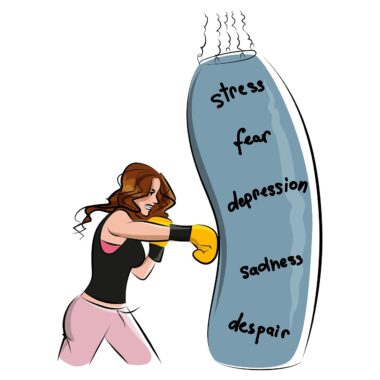
Facing fitness setbacks due to injuries can be a daunting experience. However, mental resilience plays a crucial role during recovery, greatly influencing the duration and quality of rehabilitation. To begin with, acknowledging your emotional response is vital. Allow yourself to feel the disappointment and frustration that comes with the injury. This process is not only normal but necessary in your journey towards recovery. By confronting these feelings, you lay the groundwork for a healthier mindset moving forward. Consider practicing mindfulness techniques, such as meditation or breathing exercises, to cultivate emotional awareness. Incorporating these strategies into your routine can offer significant benefits, helping you become more aware of your thoughts and feelings. A supportive network also offers remarkable assistance. Surround yourself with friends and family who provide encouragement. Setting small, achievable goals can serve as motivation, giving you something to strive for daily. Track your progress, regardless of how minor, to highlight improvements over time. This can shift your perspective and foster positive thoughts, ultimately building the resilience needed to overcome adversity.
The power of positive thinking is an essential tool when recovering from injuries. When setbacks occur, our mindset can either lift us or bring us down. It is crucial to actively replace negative thoughts with positive affirmations. Instead of fixating on what you cannot do, focus on what you can achieve. This shift in perspective enables you to maintain your enthusiasm and motivation, preventing feelings of helplessness. Visualization techniques can also be effective. Imagine yourself performing the activities you love, envisioning your body strong and capable. This practice supports your mental conditioning and can ultimately impact your physical recovery positively. Setting specific daily intentions can also cultivate clarity during recovery. Each day, identify an intention that focuses on progress, wellness, or self-care. Reflect on these intentions regularly to build a stronger mental framework. Emphasizing gratitude can further enhance your recovery journey. Focus on appreciating your surroundings and the support you receive. Create a gratitude journal listing things you are thankful for related to your recovery. These practices can help navigate the emotional rollercoaster of injury recovery effectively.
Coping Strategies for Mental Well-Being
Implementing effective coping strategies can be transformative during injury recovery. A structured routine, including a variety of activities, provides stability and purpose. When physical activity is temporarily restricted, explore alternative options such as engaging in creative hobbies or learning new skills. This not only enriches your mind but also allows for emotional expression. Seeking professional support can provide additional insights into navigating mental challenges. Therapists and coaches specializing in injury recovery can offer strategies tailored to your situation. Consider journaling as a release for expressing thoughts and emotions during this journey. Writing down your feelings enables self-reflection while identifying patterns in your emotions. Engaging in group therapy or support groups can also enrich your experience, connecting you with those who share similar struggles. Sharing experiences fosters camaraderie and understanding, which can alleviate feelings of isolation. Remember to practice self-compassion during recovery as well. Avoid comparing your progress to others; everyone’s path is unique and should be respected. Recognizing that setbacks are part of the journey reinforces resilience and determination.
Maintaining a balanced lifestyle becomes even more vital during injury recovery. Nutrition plays an enormous role in both physical healing and mental well-being. Integrating a diet rich in whole foods, vitamins, and minerals positively influences recovery. Foods like fruits, vegetables, lean proteins, and healthy fats can enhance your mood and energy levels. Hydration should not be overlooked, either; adequate water intake supports overall health and cognitive function. Incorporate regular sleep patterns too, as restorative sleep is crucial for mental clarity and emotional stability. Sleep disruptions during recovery can hinder progress significantly, so prioritizing good sleep hygiene is essential. Effective time management allows for better control over your day. Allocate specific times for relaxation, exercise, and social interactions, ensuring that you address all aspects of your well-being. Maintaining flexibility within your routine helps accommodate adjustments without feeling overwhelmed. Remember to reward yourself for small successes during recovery, whether it’s treating yourself to a favorite activity or enjoying a small indulgence. Small celebrations create positive reinforcement and keep motivation levels high.
The Importance of Community Support
Having a strong support network is vital during recovery. Engaging with those who understand your situation helps to alleviate emotional burdens, providing a sense of belonging and connection. Friends, family members or fellow athletes can lend their support when needed the most. In addition, consider exploring social media or local groups focused on injury recovery or rehabilitation. Sharing experiences and advice through these communities creates a valuable resource for encouragement and motivation. You might also find that volunteers or coaches offer essential insights based on their experiences. Collaborate with your physical therapist to set realistic expectations for your recovery journey. Open communication fosters trust and confidence, which enhances the healing process. Another option is finding a recovery buddy who is facing similar challenges. This partnership can strengthen motivation to adhere to rehabilitation exercises, while fostering camaraderie. Regular check-ins create opportunities for mutual support and progress sharing. Celebrate successes together big and small, building a sense of accomplishment. Joining together increases accountability and determination, ultimately enhancing both your physical and mental recovery efforts.
Engaging in self-care practices is fundamental during injury recovery. Focus on incorporating activities that recharge and rejuvenate you physically and mentally. Activities such as yoga, deep breathing exercises, or gentle stretching can improve both emotional and physical well-being. Allocating time each week to nourish yourself can create balance in times of uncertainty. Reading inspirational books or listening to motivating podcasts can uplift your spirit, providing valuable insights into overcoming setbacks. Furthermore, consider creating a self-care plan outlining activities that bring you joy and comfort. Schedule these as mandatory appointments in your calendar to ensure commitment. Learning new coping techniques such as art therapy or guided imagery helps expand your self-care toolkit. Developing these practices can equip you with various tools essential for managing difficult emotions. Make the most of the healing process by prioritizing relaxation and reflection. Embrace each day as an opportunity for growth, both physically and mentally. Additionally, maintain open dialogues with loved ones, sharing your triumphs and challenges. Fostering conversations cultivates understanding and nurtures supportive relationships, strengthening your ability to cope during injury recovery.
Conclusion: Building Mental Resilience
Building resilience during injury recovery is a journey that combines emotional, mental, and physical healing. While setbacks may challenge your spirit, adopting effective mental strategies contributes significantly to overcoming these obstacles. Emphasizing positive thinking, community support, and self-care can transform your outlook as you heal. Recognizing the importance of your emotional response is essential, as it creates the foundation for resilience. By shifting negative thoughts to positive affirmations, practicing mindfulness, and creating achievable goals, you foster a powerful mindset. Engaging with supportive communities enhances your mental well-being, offering companionship amid challenges. Incorporating effective coping strategies and a balanced lifestyle nourishes both mind and body throughout the recovery period. Make self-care a priority, ensuring you recharge and maintain a healthy emotional balance. Ultimately, your journey won’t be linear. Embrace the ups and downs of recovery while celebrating every progress bit. Resilience is not built overnight but strengthened daily through commitment and perseverance. As you navigate this process, remember that asking for help is a sign of strength. Be patient and compassionate with yourself, knowing that every step forward brings you closer to recovery.