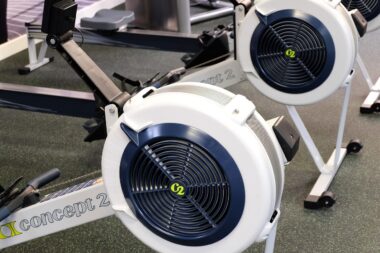

Using the Rowing Machine for Rehabilitation and Low-Impact Training
The rowing machine is often overlooked in rehabilitation but offers exceptional benefits for recovery and low-impact training. It mimics the natural movements of rowing, engaging many muscle groups in a low-impact manner. This is crucial for individuals recovering from injuries or undergoing rehabilitation, as it minimizes the risk of further damage while promoting strength and endurance. The controlled environment of a rowing machine allows users to maintain consistent form and monitor their exertion, making it a safe option for those who need to exercise for improved health. Moreover, the adjustable resistance settings cater to various fitness levels, enabling gradual progression in training. Furthermore, calorie burning levels on a rowing machine can be comparable to running, providing an efficient cardio workout. Rehabilitation professionals often recommend using rowing machines because they can help improve cardiovascular health without excessive stress on the joints. This versatility makes rowing machines a staple in fitness centers aimed at rehabilitation. Users looking to build stamina while recovering can greatly benefit from structured workouts on this equipment, enhancing both physical and mental well-being during the recovery process.
Understanding the correct usage of the rowing machine is vital. As with any workout, engaging the correct posture can optimize results and prevent possible injuries. When using the rowing machine, keep your knees slightly bent and your back straight. Begin the movement by pushing through the heels, engaging your core as you slide back. Proper technique ensures that the muscles around the hips and knees receive optimal engagement. Rowing primarily targets the legs, back, and arms, making it a comprehensive workout solution. Additionally, by controlling the resistance level, users can adjust their workouts to meet their rehabilitation needs. Incorporating intervals of speed and strength can assist in enhancing muscle tone while improving cardiovascular fitness. The rowing machine provides a unique blend of strength and cardiovascular training, beneficial for rehabilitation. Users can start at lower resistance and gradually increase as their strength improves. It’s critical to listen to your body during rehabilitation, and adjustments can be made based on pain levels or fatigue. A fitness coach or physiotherapist can guide users in developing a suitable training plan tailored to their rehabilitation goals, ensuring that safety remains the priority.
Benefits of Rowing Machine Workouts
Rowing machine workouts come with a plethora of benefits that extend beyond typical aerobic exercise. Firstly, they deliver comprehensive muscle engagement; while rowing, you work your legs, core, and upper body simultaneously, creating a full-body workout. This multi-muscle engagement not only boosts strength but also increases the calories burned during a workout session compared to traditional cardio equipment. Improved heart health is another significant advantage, as rowing is effective in enhancing cardiovascular endurance. This increased heart efficiency supports overall health and assists users in managing their weight more effectively. Additionally, rowing machines support the development of proper posture through sequential muscle engagement, which can be particularly beneficial in rehabilitation settings. As you strengthen your muscles with low-impact training, the chances of developing chronic conditions such as back pain could decrease significantly. Mental wellness is also a component, as engaging in physical activity releases endorphins that provide mood enhancement. This holistic approach to fitness can lead to not just physical recovery but also improved mental resilience. Therefore, individuals recovering from injuries might find rowing a positive addition to their set of rehabilitation strategies.
Structured programs utilizing the rowing machine can significantly enhance progression in rehabilitation. Depending on individual needs, workouts can be customized to focus on consistent pacing or varying intensities, matching the user’s recovery stage. Many rehabilitation centers and gyms incorporate rowing into their group fitness classes to encourage community support during recovery journeys. Working within a group can foster accountability and enhance motivation for individuals pursuing similar goals. One particularly effective strategy is to set achievable milestones, celebrating progress to maintain enthusiasm and commitment to the rehabilitation process. Another advantage is the ability to easily transition between upper- and lower-body workouts, ensuring varied sessions that maintain engagement. Utilizing apps and connecting with personal trainers can assist users in better tracking their progress, which helps in identifying areas for improvement. Moreover, with the rising trend of virtual fitness classes, experts are now incorporating rowing machines into online training. This development provides a versatile approach for those preferring to exercise from home while recovering. Incorporating diverse methodologies can help ensure that rehabilitation remains interesting and aimed at optimal recovery.
Safety Considerations
Safety is the foremost consideration when integrating rowing machine workouts post-injury. Individuals should consult with healthcare providers or physiotherapists prior to starting any new exercise regimen. A professional can provide personalized guidance tailored to specific rehabilitation needs, ensuring that the rowing machine is appropriate for your condition. Beginners or those with chronic conditions should carefully monitor perceived exertion to avoid overexertion and potential setbacks. It may also be beneficial to start with shorter sessions, gradually increasing duration as comfort and strength develop. Recognizing and addressing discomfort or pain during workouts is crucial for sustained recovery. Additionally, ensuring proper setup of the rowing machine is essential – adjustments to seat height and foot straps can support optimal body mechanics during the workout. Groups or classes led by certified instructors offer training on correct rowing techniques, which can prevent injuries. Paying attention to form, speed, and breathwork while on the rowing machine significantly contributes to safe and effective exercise. Ultimately, practicing due diligence and following recommended safety protocols equips individuals for successful rehabilitation journeys in a fitness-friendly environment.
To enhance the rowing experience further, consider integrating cross-training with other low-impact activities. By focusing on complementary workouts, users can build a more balanced fitness regime. Activities such as swimming, cycling, or yoga can stimulate various muscle groups while still providing a gentler impact on the joints. Pairing these low-impact exercises aids in muscle recovery and may provide additional benefits to overall cardiovascular health. This varied approach ensures a comprehensive fitness experience, addressing multiple aspects of physical health. Flexibility workouts, such as yoga or pilates, can enhance mobility, which is beneficial for individuals recovering from injuries. Additionally, maintaining a healthy diet can support rehabilitation goals, fueling the body for effective workouts and recovery. Nutrition is critical for tissue repair and strength restoration, so focusing on a balanced diet rich in proteins and vitamins is essential. As individuals become stronger and more confident on the rowing machine, they may transition to incorporating more diverse exercises, which enrich their overall fitness journey. Continuous learning about fitness options and trends will help ensure adherence and motivation during this journey of recovery and growth.
Conclusion
The rowing machine is not just a tool for experienced athletes; it is a versatile rehabilitative device that can be used by anyone looking to improve strength and endurance safely. With a vast array of benefits, incorporating rowing into rehabilitation programs proves to be advantageous. It offers a full-body workout while being gentle on the joints, making it especially relevant for low-impact training needs. Engage in structured workouts and prioritize proper technique. Listen to your body and adjust intensity as needed, reinforcing the principles of safe exercise. Always consider guidance and coaching to ensure the best outcomes. Unlocking the potential of rowing machines is more than just physical activity; it establishes a foundation for improved well-being and recovery. By combining rowing with a holistic approach towards fitness, individuals can realize significant progress in rehabilitation. Hence, as more fitness enthusiasts discover the advantages of this dynamic exercise, the rowing machine will undoubtedly solidify its place as a pillar of both rehabilitation and fitness. Embrace it, connect with others and grow stronger together through this unique cardiovascular experience, paving the way for a healthier, more revitalized lifestyle.
Advancing breath control techniques is crucial during rowing workouts. Focusing on rhythmic breathing enhances performance significantly. When initiating a stroke, inhale deeply and then exhale as the handle returns. This practice not only supports endurance but also keeps oxygen flowing effectively throughout the body. Remember to structure your breathing around your movements for optimal energy management. Muscles need consistent oxygen, especially during endurances workouts. This process of synchronization is fundamental for maintaining energy levels and prolonging workout sessions. Moreover, consistent breathwork nurtures focus, aiding mental clarity during challenging workouts. Many find that a mindful approach to breath control leads to an enhanced overall experience while on the rowing machine. To this end, incorporating breath-focused exercises into routines can also be beneficial. Practicing mindfulness techniques such as meditation can illuminate body awareness, guiding you to connect more in tune with your movements. Therefore, understanding that breath control is essential complements the functional aspect of rowing. Mental preparation and body synchronization contribute greatly to success, underpinning the profound benefits that come with rowing machine workouts targeted for rehabilitation and low-impact training.