
School Lunch Ideas for Vegan Children
Crafting nutritious and exciting school lunches for vegan children can be a fulfilling challenge. A focus on plant-based foods ensures they receive all necessary nutrients. Start with whole grains; quinoa, brown rice, or whole wheat bread can provide energy. Incorporate legumes such as chickpeas, black beans, or lentils for protein. These ingredients form the foundation of many satisfying meals. Add colorful vegetables like carrots, bell peppers, cucumbers, and cherry tomatoes for fiber and essential vitamins. Leafy greens, including spinach or kale, are excellent options as well. A simple way to enhance flavor is using fresh herbs or spices. To cater to their taste buds, consider offering hummus or guacamole as dips. For grains, you can also create wraps filled with veggies and spreads. Offering a variety of foods helps promote a balanced diet. Don’t forget about fruits; include apple slices, grapes, or dried fruits for a sweet touch. With a little creativity, meal prep becomes an enjoyable task, making lunchtime something they look forward to every day. Balanced school lunches contribute significantly to their overall health and well-being.
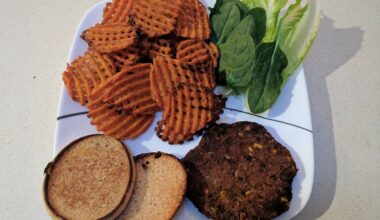
For a delicious main item, prepare vegan sandwiches that your children can take to school easily. Use whole grain bread or wraps, filling them with different spreads like hummus, avocado, or nut butter. Add layers of fresh veggies like sliced cucumbers, tomatoes, and spinach to make them colorful and appealing. A vegetable stir-fry can also be an excellent choice; combine fresh vegetables with tofu and a soy sauce-based marinade for flavor. You can serve this with brown rice or quinoa in a thermos. Another appetizing option is vegan sushi rolls. Begin with sushi rice and nori sheets, including filling such as avocado, cucumber, and carrots. These fun rolls are easy to customize based on your child’s preferences. If they enjoy pasta, create a cold pasta salad with rotini, cherry tomatoes, olives, and Italian dressing. For protein, add chickpeas or tofu. Kids love fun shapes, so using cookie cutters on bread or fruit can enhance their lunch boxes’ aesthetic appeal. Rotate meals regularly to keep their excitement alive, showcasing the versatility of vegan diets cooked with love and care.
Nutritious Snacks for School
Snacks can significantly impact energy levels throughout the school day, so offering nutritious vegan options is essential. Create energy balls with oats, nut butter, and a dash of maple syrup or agave, rolling them into bite-sized treats. They provide lasting energy and are easy to make. Fruit serves as quality snacks; sliced apples, bananas, or strawberries are easily portable and packed with nutrients. Consider adding nut or seed butter alongside for added healthy fats and protein. Another fun and healthy option is trail mix; use nuts, seeds, dried fruits, and a sprinkle of dark chocolate to delight their taste buds. Granola bars made from wholesome ingredients can also satisfy sweet cravings while providing nourishment. Alternatively, prepare crispy chickpeas or roasted edamame for a protein-packed snack. Save time by prepping these nutritious snacks on weekends, placing them in snack-sized bags for easy access during the week. Varieties keep kids engaged and excited about healthy eating; consider offering dips like salsa or guacamole. A diverse range of nutritious snacks supports your vegan children’s energy levels while fueling their learning.
Another way to engage with your child’s meals is by involving them in the preparation process. Cooking together can teach them essential life skills while instilling a sense of pride in their food choices. Involving them in planning lunchbox items encourages them to express preferences. Collaborate to create a weekly menu; children can help choose meals, ensuring they will be eager to enjoy what they’ve made. Tailor the menu based on their preferences, and rotate different cuisines to introduce new flavors. Celebrate cultural diversity and the planet’s bounty; use different recipes each week. Creating themed lunches can bring excitement; perhaps an Italian-themed week featuring pasta with marinara and lentil meatballs. A Mexican-themed lunch could include quinoa tacos with all the fixings. Involve kids in shopping for ingredients; the more they understand the food components, the better choices they can make. Each lunch can tell a story, whether it’s creating a rainbow of fruits and vegetables or a culinary journey through different countries. This engaging approach ensures your vegan child develops a healthy relationship with food and appreciates diverse cuisines.
Hydration and Beverages
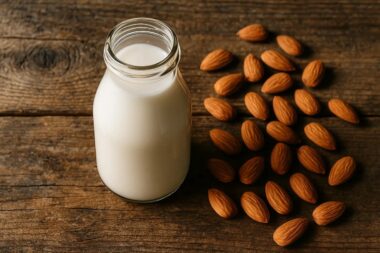
Hydration is crucial for children, so provide plenty of nourishing beverages in their lunch boxes. Water remains the best option; consider a reusable water bottle that they can refill throughout the day. To add flavour to water, infuse it with fruits like lemon, cucumber, or berries for a refreshing taste. Provideers are often busy and forget to hydrate, so incorporating flavorful hydration options keeps them interested. Plant-based smoothies can also serve as an exciting drink option, packed with fruits, veggies, and even nut milk or coconut water. Banana or spinach can be great additions to boost nutrients in a kid-friendly way. It’s important to control sugar intake, so minimize juice boxes, focusing instead on pure fruit juice options diluted with water. Unsweetened almond or soy milk is also excellent for a snack, which can be combined with granola or cereals. Encourage your child to experiment with their beverages; they can create their smoothies or fruity water infusions. Maintaining proper hydration ensures they feel energetic, focused, and ready to conquer their school day, supporting their active lifestyle.
As you prepare your vegan child’s school lunch, consider investing in fun, colorful lunch containers that spark excitement. A bento box can be an enticing option, allowing you to present different food components separately, thus making it visually appealing. Include a variety of textures to create a satisfying meal; incorporate crunchy vegetables and soft grains for balance. Use small silicone cups or dividers to separate ingredients effectively and keep everything fresh. Furthermore, meal prep can become a fun family activity by encouraging kids to express their creativity. Allow children to help choose lunch items or pack their meals; this sense of autonomy fosters ownership of their dietary choices. Keeping a diverse range of colors, shapes, and flavors can pique their interest, motivating them to consume what’s in their lunch box. Experiment with seasonal ingredients like fruits and vegetables by introducing exciting themes to your lunch items, aligning meals with different celebrations or holidays. Remember that balance between nutrition and children’s likes is key to making sure your vegan kids are happy while enjoying healthy meals every day in school.
Conclusion: Building Lifelong Healthy Habits
All these strategies contribute to forming lifelong healthy habits for vegan children. Foster an environment that encourages your child to make choices reflecting their healthy eating principles. Educating them about the benefits of vegan diets enables them to appreciate their food. Share resources like cookbooks or websites that cater to plant-based lifestyles, enhancing their understanding. Engaging discussions about food can also ignite a passion for cooking, empowering kids to tackle recipe challenges in the kitchen. Emphasize the importance of listening to their bodies, teaching them to recognize hunger cues and distinguish what feels good to eat. It would help if you celebrated every willingness to try new foods, rewarding their adventurous spirit without placing too much pressure. Encouragement, creativity, and variety in meals foster positive relationships with food. As they grow older, instilling these values can ensure they feel competent in their plant-based choices. Healthy school lunches for vegan children can align with their dietary choices, fueling their bodies and shaping their lifelong eating habits. Through thoughtful meal planning, you teach children the importance of nutrition while nurturing a love for wholesome foods.