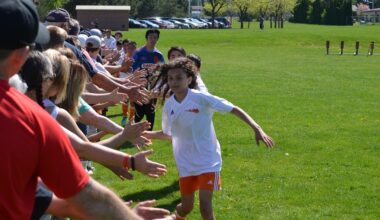

Understanding Different Track and Field Events for Youth Athletes
Track and field events present an excellent opportunity for youth athletes to showcase their speed, strength, and agility. These events can be broadly categorized into running, jumping, and throwing disciplines. Running events typically include sprints, middle-distance, and long-distance races. Participation in these events helps young athletes develop stamina and speed while also teaching them the importance of pacing. Furthermore, this experience aids in building their competitive spirit and self-discipline. In jumping events, including the long jump and high jump, participants demonstrate their explosive power and technique. These events focus on training for proper approach, take-off, and landing. Moreover, proper coaching and practice are crucial since incorrect techniques can lead to injuries. Throwing events, like shot put, discus, and javelin, require strength and technique. Knowing the correct form is imperative to succeed. Youth athletes benefit significantly from learning and mastering the fundamentals of these events, ultimately improving their athletic performance. Coaches play a vital role in this journey, providing guidance and ensuring athletes acquire the necessary skills while promoting a love for the sport.
Understanding specific track events is essential for youth athletes as it enhances their performance and enjoyment of the sport. Sprints include events like the 100m and 200m, where speed and explosive starts are critical. Training for these sprints emphasizes quick starts, powerful strides, and sprinting form, helping athletes maximize their pace. Middle and long-distance events, such as the 800m and 1500m, require stamina and strategic pacing, which differ vastly from sprinting. Athletes must learn to maintain a sustainable speed throughout these races while also improving their aerobic capacity. Relay races, including the 4x100m and the 4x400m, teach teamwork and baton exchange techniques. Success in relays depends not just on an individual’s speed but also on synchrony between team members, making it a unique challenge. Athletes often find camaraderie here, building friendships while working towards a common goal. Coaches significantly impact these training sessions. They motivate youth athletes to push their boundaries in various events. Lastly, participating in track meets helps young athletes gain competitive experience, learning to handle both success and failure gracefully, which is vital for their personal growth.
Jumping Events: Techniques and Training
Jumping events such as the long jump and high jump are fundamental in track and field, testing an athlete’s explosive power and technique. In the long jump, athletes must perfect their approach, take-off, and landing mechanics. An effective approach run maximizes speed, while precise take-off must involve the correct foot placement to achieve the optimal jump distance. Youth athletes often practice their run-up regularly to ensure consistent performance. Training should include strength sessions focusing on the muscles used in jumping, like quads and calves, enabling athletes to generate more power. High jump emphasizes vertical leap capability, where athletes must clear a bar set at different heights. Various techniques exist for high jump, specifically the scissor jump and the Fosbury Flop. Young athletes benefit from discovering which style suits their physique better. Effective coaching will guide them by emphasizing body posture, jumping technique, and landing safely to reduce injury risks. Regular practice sessions are essential for improving confidence and familiarity with each event. Youth athletes participating in these events often see improvements not only in their athletic performance but also in their sense of achievement.
Strength training plays an essential role in preparing youth athletes for throwing events such as shot put, discus, and javelin. Each throwing event requires specific techniques and muscle groups to be emphasized during training. Athletes must learn the proper posture, grip, technique, and release actions to maximize distance while minimizing the risk of injury. Coaches typically structure training to include strength exercises focusing on the core, shoulders, and legs because these muscle groups play crucial roles in generating the force needed for successful throws. Coordination and balance are equally important. Therefore, drills that foster these attributes will significantly enhance an athlete’s performance. For example, practicing footwork and balance exercises can be particularly useful. Young athletes can also benefit from dedicated throwing drills that help them refine their techniques and build confidence while incorporating regular feedback from coaches. Competitions not only provide valuable experiences but also nurture a competitive spirit. Ultimately, mastering throwing events will empower youth athletes and cultivate life skills such as perseverance and strategic planning, attributes that benefit them both in sports and in life’s challenges.
The Importance of Proper Coaching
Proper coaching is vital for youth athletes participating in track and field events, as it helps them develop skills and fosters a love for the sport. Effective coaches must understand the nuances of each discipline, from running techniques to the intricacies of jumping and throwing. They should promote safe practices and ensure that athletes are aware of injury risks associated with improper technique. Coaches play a crucial role in nurturing each athlete’s talent, guiding them through the necessary steps for improvement. They provide structured training plans that focus on developing strength, speed, and endurance while ensuring athletes enjoy their journey in the sport. Additionally, coaches must emphasize the importance of mental preparation, helping young athletes build confidence and resilience. Encouraging athletes to set personal goals and celebrating their achievements also fosters motivation. Furthermore, they need to create an environment where athletes feel supported and valued, regardless of their performance level. Engaging parents in the process and encouraging their involvement adds another layer of motivation for youth athletes. In the end, proper coaching equips young athletes with skills that transcend athletics, teaching them valuable life lessons.
Nutrition is an equally important aspect of athletic preparation for youth athletes. A well-balanced diet contributes to overall performance and recovery, making it essential for athletes participating in track and field events. Youth athletes need to understand the significance of consuming adequate macronutrients, such as carbohydrates, proteins, and fats, as they play different roles in energy production and muscle repair. Carbohydrates provide crucial energy for short bursts of intense activity, while protein aids in muscle recovery after strenuous workouts. Incorporating fruits and vegetables into their meals ensures athletes receive vital vitamins and minerals necessary for optimum health. Hydration is equally as important, particularly in outdoor training and competitions where conditions can be demanding. Athletes must learn to hydrate consistently and adequately, especially before, during, and after workouts. They can also benefit from consulting with nutritionists to create meal plans tailored to their specific needs. Learning the right nutrition habits at a young age will not only support athletic performance but also promote future healthy lifestyle choices, benefiting them in all aspects of their lives, both in sports and beyond.
Competing and Developing Resilience
Competing in youth athletics is not only about showcasing individual talent but also about cultivating resilience and sportsmanship. Participation in track and field events pushes young athletes to strive for their personal best while adapting to different competitive environments. Each competition presents its unique set of challenges, from performing under pressure to handling unexpected outcomes. Coaches and parents can facilitate discussions around these experiences to help youth athletes develop critical coping strategies and a positive mindset. Encouraging them to focus on self-improvement rather than solely on winning fosters a sense of resilience. Athletes learn that setbacks can provide valuable lessons, creating a growth mindset that benefits them in sports and life. As youth athletes navigate the ups and downs of competition, they build valuable skills such as teamwork, empathy, and communication, further preparing them for future challenges. In this supportive environment, young athletes feel empowered to exceed their limits, which aids in their development, while creating lasting friendships with teammates. Ultimately, these experiences contribute to developing well-rounded young individuals who understand the true essence of athletic competition beyond accolades and titles.
In conclusion, participating in youth athletics, particularly track and field events, is immensely beneficial for young athletes. Through varied experiences in running, jumping, and throwing activities, they hone both physical and mental skills essential for their growth. The guidance from coaches plays a crucial role in developing young talent, ensuring safe practices while promoting personal improvement. By nurturing a love for the sport and establishing a supportive environment, coaches empower youth athletes to thrive and build resilience through competition. Likewise, a focus on nutrition provides young athletes with the necessary fuel for optimal performance and recovery. As they learn to set goals and confront challenges, they pave the way for a brighter future within the world of athletics and life in general. These experiences cultivate essential life skills such as discipline, teamwork, and perseverance, which serve them not only in sports but also in their everyday endeavors. It is vital for parents and coaches to encourage youth athletes and help them foster healthy habits, work ethics, and a positive attitude. Through these efforts, we equip young athletes with the tools they need to achieve their dreams both on and off the field.