
Slow and Deep: Techniques to Lower Blood Pressure with Breathing
In our fast-paced lives, stress has become an unwelcome companion, often manifesting in various physical symptoms, including elevated blood pressure. Understanding and implementing effective breathing techniques can significantly assist in lowering blood pressure and reducing stress levels. One of the most beneficial practices involves slow, deep breathing. This method promotes relaxation by enhancing oxygen intake while reducing the heart rate. As we become more aware of our breath, we can also influence our mental state. Effective management of stress relies not just on mental strategies but on physical techniques that can offer immediate results. The essence of deep breathing is to engage the diaphragm actively, which allows for a fuller exchange of air, ensuring not just quantity but quality. Techniques such as the 4-7-8 method or Diaphragmatic breathing can be invaluable to anyone looking to integrate stress-reduction into their daily existence. This article will explore various methods of breathing that can help manage stress effectively and promote overall wellbeing, offering tools that everyone can easily adopt and practice.
Understanding Deep Breathing Techniques
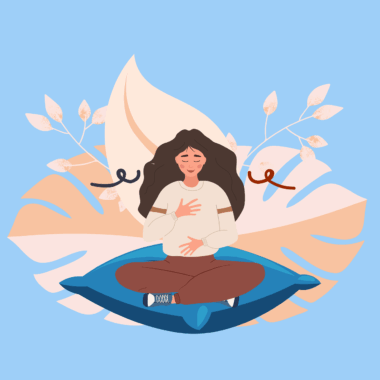
Deep breathing, which involves taking slow and deep breaths, is a practice rooted in various cultures and traditions, primarily yoga and mindfulness. Engaging in deep breathing exercises can have profound impacts on the autonomic nervous system, shifting the balance from sympathetic (fight or flight) to parasympathetic (rest and digest). This transition is crucial for lowering blood pressure as it promotes relaxation. A simple technique to start with is to inhale deeply through the nose, allowing the abdomen to expand. After holding the breath for a count of four, exhale slowly through the mouth. This cycle helps in calming the mind while providing clarity. Studies show that practicing deep breathing regularly not only reduces anxiety but can also lead to lower blood pressure readings. It is highly recommended to practice this technique in a peaceful environment, where distractions remain minimal. Over time, the cumulative benefits of these practices might enhance emotional resilience and lead to a more balanced lifestyle. Being proactive about stress management can empower individuals to take control of their health.
Another helpful technique is the 4-7-8 breathing exercise, named for its simple structure. This practice involves inhaling for a count of four, holding the breath for seven counts, and then exhaling for eight counts. Engaging in this breathing exercise can create a sense of calmness. The method allows oxygen to fill the lungs completely, while the extended exhalation helps remove carbon dioxide more efficiently. This method creates a regular pattern of breathing that can become natural with practice. This gradual increase in breath control can lead firsthand to noticeable drops in heart rate during moments of stress. As individuals incorporate this into their routines, they will likely notice less stress and improved focus. Practicing the 4-7-8 technique daily, even for just a few minutes, can help instill patience and resilience when faced with stressful situations. Those looking to manage anxiety effectively should try this method. Many practitioners recommend employing this technique at least twice a day to foster a sense of tranquillity that eventually becomes inherent.
The Role of Mindfulness in Breathing
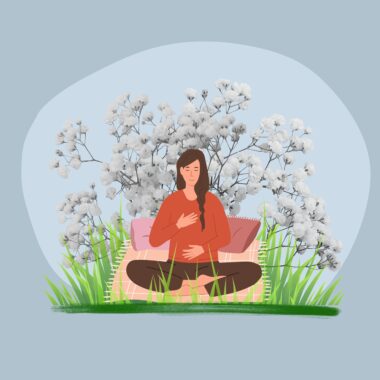
Mindfulness, which is the practice of being present in the moment, pairs nicely with deep breathing techniques. Engaging in mindful breathing allows individuals to focus on their breath while gently acknowledging thoughts as they arise but not engaging with them. This practice encourages a sense of awareness within the body, promoting relaxation. Incorporating mindfulness into breathing exercises invites a deeper connection with one’s thoughts and feelings. By observing the sensations associated with inhaling and exhaling, we cultivate a greater understanding of our physiological state. Mindful breathing can be performed anytime, whether sitting at a desk or lying down in a quiet room. Research has shown that regular mindfulness practice can lead to improved emotional regulation and reduced levels of stress hormones. Acknowledging your feelings without judgment is essential for emotional healing. With a focus on the breath and the body, mindfulness can trigger certain biochemical responses that help lower blood pressure and instill a sense of calm and inner peace. Adopting mindful breathing practices daily can lead to long-lasting emotional and physical health benefits.
Additionally, integrating guided imagery with deep breathing techniques can enhance the overall benefits of stress reduction. Guided imagery involves focusing on a mental image that promotes serenity. When combined with deep breathing, individuals can create a relaxing space in their minds, which can transport them to a tranquil location, such as a beach or forest. As individuals breathe deeply while visualizing peaceful settings, the body releases endorphins, lowering heart rates and blood pressure. Utilizing this method routinely enhances relaxation and improves mental clarity. Individuals might begin by selecting a peaceful image that resonates with them emotionally. Closing the eyes, they can focus on their breathing while picturing that serene environment. This practice can transform a stressful day into one of relaxation and rejuvenation. Engaging the imagination alongside deep breathing can also stir creativity. Not only does this approach reduce tension, but it also cultivates positivity through visualization, promoting a healthier mindset overall. With time and practice, combining these methods can establish a robust mental toolkit for managing life’s challenges.
Practical Application of Breathing Techniques
To implement these breathing techniques effectively throughout daily routines, consistency is vital. Finding specific times during the day can make it easier to use them productively. Whether during breaks at work, before sleep, or even while commuting, establishing a routine can make all the difference in reaping the benefits. Furthermore, individuals are encouraged to set reminders or schedule regular intervals for practice to reinforce the habit. Engaging in these techniques for just 5 to 10 minutes daily may lead to marked improvements in one’s overall stress levels. Additionally, it could be beneficial to pair these with other healthy habits, such as regular physical activity and balanced nutrition. Positive lifestyle adjustments together with breathing techniques can enhance stress management enormously. Joining groups or classes focused on mindfulness or yoga might also support this journey to stress reduction by providing a community and encouraging accountability. Individuals should remember that progress takes time. Each person’s journey is unique, and personal adjustments may be necessary to optimize results. With patience and practice, breathing techniques can become a perfected art.
Finally, it is essential to note that while breathing techniques can be beneficial for stress reduction and managing blood pressure, they should not replace professional medical advice or treatment. Individuals with chronic hypertension or underlying health conditions should consult their healthcare provider before making significant lifestyle changes. Moreover, integrating these practices into a broader wellness plan that includes regular check-ups and healthy lifestyle choices can maximize the benefits. It is important to approach breathing techniques as complementary strategies to other health interventions rather than standalone solutions. For many, engaging in a holistic approach might produce the best outcomes in health and well-being. Ultimately, these tools are accessible to everyone, providing practical strategies for a calmer and more balanced life. Embracing deep breathing and mindfulness can spark substantial changes over time. As the understanding of the body’s response to stress improves, individuals may find empowerment in taking charge of their health and happiness. Let breathing become a key element in the toolkit for navigating life’s challenges.